How Often Do You Need to Replace Your Roof?
Most residential roofs need to be replaced every 20 to 30 years, but the exact timeline varies significantly by material. Asphalt shingle roofs last 15–30 years, metal roofs last 40–70 years, and slate or tile roofs can last 50–100+ years. Regular maintenance and climate conditions play a major role in how often you’ll need a replacement.
How Often Do You Need to Replace Your Roof?
Your roof is one of the most critical components of your home, yet most homeowners don’t think about it until something goes wrong. The question “how often do you need to replace your roof?” doesn’t have a single answer — it depends on the type of roofing material, your local climate, how well the roof was installed, and how consistently you maintain it.
As a general rule, most homeowners will need to replace their roof once or twice during the time they own a home. The average asphalt shingle roof — which covers roughly 80% of homes in the United States — lasts between 15 and 30 years. Premium materials like metal, tile, and slate can last significantly longer, sometimes exceeding 50 years with proper care.
Understanding how often your specific roof type needs replacement helps you plan financially, avoid unexpected emergency repairs, and protect your home’s value. Below, we break down expected lifespans for every common roofing material, the warning signs to watch for, and practical steps to get the most life out of your roof.
Roof Lifespan by Material Type
The roofing material you choose is the single biggest factor in how often you’ll need to replace your roof. Here’s a detailed breakdown of expected lifespans for the most common materials used on residential homes in 2026.
| Roofing Material | Average Lifespan | Replacement Frequency |
|---|---|---|
| 3-Tab Asphalt Shingles | 15–20 years | Every 15–20 years |
| Architectural (Dimensional) Shingles | 25–30 years | Every 25–30 years |
| Premium/Luxury Shingles | 30–50 years | Every 30–50 years |
| Metal Roofing (Standing Seam) | 40–70 years | Once in a lifetime or never |
| Metal Shingles | 30–50 years | Every 30–50 years |
| Clay or Concrete Tile | 50–100+ years | Rarely, if ever |
| Natural Slate | 75–150+ years | Once a century or longer |
| Wood Shake / Shingles | 20–40 years | Every 20–40 years |
| Flat Roof (TPO, EPDM, Built-Up) | 15–30 years | Every 15–30 years |
| Synthetic / Composite | 30–50 years | Every 30–50 years |
Asphalt Shingles (15–30 Years)
Asphalt shingles are the most widely used roofing material in North America, and for good reason — they’re affordable, relatively easy to install, and available in a wide range of styles and colors. However, they also have one of the shorter lifespans among roofing materials.
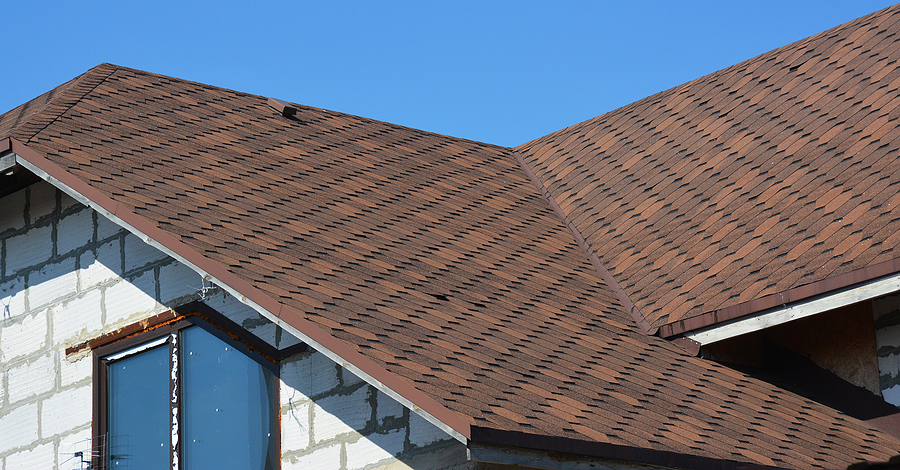
Basic 3-tab shingles typically last 15 to 20 years, while architectural (dimensional) shingles offer improved durability and can last 25 to 30 years. If you have an asphalt shingle roof that’s approaching 20 years old, it’s wise to start budgeting for a replacement and scheduling annual inspections.
Metal Roofing (40–70 Years)
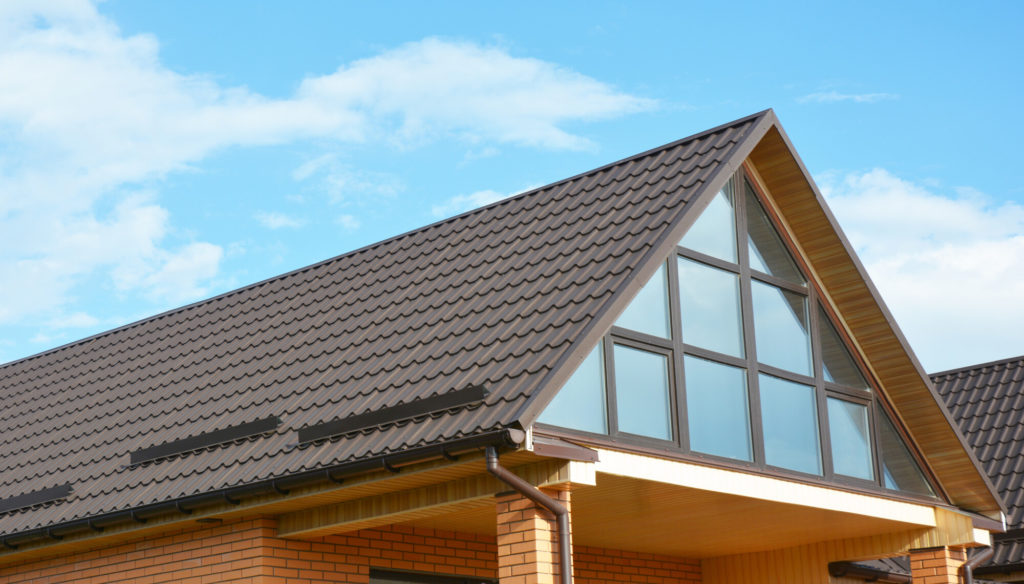
Metal roofs — including standing seam, corrugated panels, and metal shingles — are among the longest-lasting residential roofing options. A properly installed standing seam metal roof can easily last 40 to 70 years, meaning most homeowners will never need to replace it a second time.
Metal roofing is particularly well-suited for areas prone to high winds, heavy snow, or wildfires. While the upfront cost is higher than asphalt, the long-term value is often superior when you factor in reduced maintenance and replacement frequency.
Tile and Slate Roofing (50–150+ Years)
Clay tile, concrete tile, and natural slate are the longest-lasting roofing materials available. Clay and concrete tile roofs routinely last 50 to 100 years, while high-quality natural slate can last 150 years or more — often outlasting the structure itself.
The trade-off is weight and cost. These materials are heavy (requiring reinforced roof framing in many cases) and significantly more expensive to install. But if longevity is your priority, tile and slate are hard to beat.
Wood Shake and Shingle Roofs (20–40 Years)
Cedar shake and wood shingle roofs offer a distinctive natural appearance and can last 20 to 40 years when properly maintained. However, they require more upkeep than most other materials. Wood roofs must be treated to resist moisture, mold, and insect damage, and they’re not ideal for humid climates or areas with frequent wildfires.
Flat Roofing Systems (15–30 Years)
Flat or low-slope roofs — common on commercial buildings and some modern residential designs — use materials like TPO, EPDM rubber, PVC, or built-up roofing (BUR). These systems generally last 15 to 30 years, with TPO and PVC trending toward the longer end of that range when professionally installed.
Not Sure How Much Life Your Roof Has Left?
Get free, no-obligation quotes from top-rated local roofers to assess your roof’s condition and explore replacement options.
Get Free Roof Replacement QuotesFactors That Affect How Long Your Roof Lasts
While roofing material determines the baseline lifespan, several other factors influence how often you’ll actually need to replace your roof. Two identical shingle roofs installed on the same day can have very different lifespans depending on these variables.
Climate and Weather Exposure
Your local climate is one of the biggest variables. Roofs in the Sun Belt states face intense UV radiation that breaks down asphalt shingles faster than in cooler regions. Homes in the Northeast and Midwest endure freeze-thaw cycles that can crack and shift roofing materials. Coastal properties contend with salt air corrosion and high winds from hurricanes. In general, harsher climates mean shorter roof lifespans — often shaving 5 to 10 years off the expected range.
Installation Quality
A roof is only as good as its installation. Improper nailing patterns, inadequate ventilation, poor flashing work, and failure to follow manufacturer specifications can dramatically shorten a roof’s lifespan. This is why choosing a licensed, experienced, and well-reviewed roofing contractor is one of the most important decisions you’ll make. A poorly installed premium roof can fail faster than a well-installed budget roof.
Attic Ventilation
Proper attic ventilation plays a surprisingly large role in roof longevity. Without adequate airflow, heat and moisture build up in the attic space, causing shingles to deteriorate from the underside. In winter, poor ventilation contributes to ice dams, which can force water under shingles and cause leaks and structural damage. A balanced ventilation system with both intake (soffit) vents and exhaust (ridge) vents helps your roof reach its full expected lifespan.
Roof Pitch and Design
Steeper roofs tend to shed water and debris more effectively, which generally leads to longer lifespans. Low-slope and flat roofs are more prone to ponding water, which accelerates material degradation. Complex roof designs with many valleys, hips, and penetrations (chimneys, skylights, vents) create more potential failure points that require careful maintenance.
Surrounding Trees and Debris
Overhanging tree branches can scrape and damage roofing materials, while fallen leaves and debris trap moisture on the roof surface. Trees that shade the roof can also promote moss and algae growth, which slowly breaks down shingles. Keeping branches trimmed back at least 6 feet from the roof line is a simple way to protect your investment.
Color of Roofing Material
Darker-colored roofs absorb significantly more heat than lighter ones, which can accelerate the aging of asphalt shingles in hot climates. If you live in a warm region and are choosing new shingles, opting for lighter or “cool roof” rated colors can help extend the lifespan by reducing thermal stress on the material.
7 Warning Signs You Need a Roof Replacement
Knowing when your roof needs to be replaced is just as important as knowing how often. Watch for these telltale indicators that your roof is nearing the end of its useful life.
- Curling, cracking, or buckling shingles. When shingles start to curl at the edges, crack, or buckle, they’ve lost their ability to protect your home from water intrusion. This is one of the earliest and most visible signs of an aging roof.
- Missing shingles or tiles. A few missing shingles after a major storm can usually be repaired. But if shingles are regularly blowing off in moderate weather, the adhesive seal has likely failed across the entire roof surface, and it’s time for a replacement.
- Granule loss in gutters. Asphalt shingles are coated with protective granules that shield the underlying material from UV rays. When you notice excessive granules collecting in your gutters or at the base of downspouts, your shingles are losing their protective layer and nearing the end of their life.
- Daylight visible through roof boards. If you can see daylight coming through the roof deck when you’re in the attic, you have a serious problem that requires immediate attention. This indicates gaps, rot, or structural failure in the roof system.
- Sagging areas on the roof. A sagging roof line is a structural concern that usually indicates moisture damage to the roof deck or underlying supports. This should be addressed immediately — it typically means a full replacement is needed, not just surface repairs.
- Persistent or recurring leaks. While a single leak can sometimes be traced to a specific point of failure and repaired, recurring leaks in multiple locations suggest systemic problems with the roofing system. Patching multiple leaks on an aging roof is often throwing good money after bad.
- The roof is past its expected lifespan. If your asphalt shingle roof is 25+ years old, or your wood shake roof is past the 30-year mark, it’s likely time for a replacement — even if it still looks acceptable from the ground. Underlying deterioration isn’t always visible without a professional inspection.
Roof Replacement vs. Repair: How to Decide
Not every roofing problem requires a full replacement. Understanding when a repair is sufficient — and when it’s time to invest in a new roof — can save you money and prevent unnecessary work.
When Repair Makes Sense
A repair is usually the right call when the damage is localized to a small area (less than 30% of the roof), the roof is less than halfway through its expected lifespan, the issue is limited to a specific cause like a fallen branch or isolated flashing failure, and the rest of the roof is in good overall condition. Typical repairs like replacing a few shingles, resealing flashing, or fixing a small leak cost $200 to $1,500 — significantly less than a full replacement.
When Replacement Is the Better Investment
A full replacement is typically recommended when the roof has exceeded 75% of its expected lifespan, damage is widespread across multiple areas, you’re experiencing recurring problems despite previous repairs, the roof deck shows signs of rot or structural compromise, or you’re spending more each year on repairs than the amortized cost of a new roof. A useful rule of thumb: if a repair would cost more than 30% of a full replacement, most roofing professionals recommend replacing the entire roof instead.
Can You Put a New Roof Over an Old One?
A “roof overlay” — installing new shingles over existing ones — is technically possible and can save on tear-off costs. However, most roofing experts advise against it for several reasons: it prevents inspection of the underlying roof deck, adds extra weight to the structure, can void manufacturer warranties, and typically doesn’t last as long as a proper tear-off and replacement. Many local building codes limit roofs to a maximum of two layers.
Repair or Replace? A Pro Can Help You Decide
Connect with experienced local roofing contractors who can inspect your roof and give you an honest recommendation.
Get Free Quotes TodayHow to Extend the Life of Your Roof
No matter what type of roof you have, proper maintenance can add years — sometimes decades — to its lifespan. Here are the most impactful steps you can take.
- Schedule annual inspections. Have a professional roofer inspect your roof at least once a year, ideally in the fall before winter weather arrives. They can catch minor issues before they become major problems.
- Clean gutters regularly. Clogged gutters cause water to back up under roof edges, leading to fascia rot, ice dams, and premature shingle failure. Clean them at least twice a year — in late spring and late fall.
- Trim overhanging branches. Keep tree limbs at least 6 to 10 feet away from your roof to prevent physical damage, reduce debris accumulation, and minimize shade that promotes moss growth.
- Address moss and algae promptly. Moss and algae trap moisture against roofing materials and accelerate deterioration. Use zinc or copper strips along the ridge to inhibit growth, or have the roof professionally cleaned if growth becomes significant.
- Ensure proper attic ventilation and insulation. Adequate ventilation prevents heat and moisture buildup that damages roofing materials from underneath. Proper insulation reduces the risk of ice dams in cold climates.
- Fix minor damage immediately. A loose piece of flashing or a single cracked shingle might seem minor, but left unaddressed, it can allow water intrusion that damages the deck and shortens the roof’s overall life.
- Remove debris after storms. After any significant weather event, visually inspect your roof (safely from the ground or with binoculars) and remove any accumulated debris. Document any damage with photos for potential insurance claims.
How Much Does Roof Replacement Cost in 2026?
Understanding the cost of roof replacement helps you budget appropriately and evaluate quotes from contractors. Here’s what homeowners are paying for roof replacement in 2026, based on a typical 1,500 to 2,000 square-foot home.
| Roofing Material | Average Cost Range | Cost per Sq. Ft. |
|---|---|---|
| 3-Tab Asphalt Shingles | $5,500 – $9,000 | $3.50 – $5.50 |
| Architectural Shingles | $7,000 – $12,000 | $4.50 – $7.00 |
| Standing Seam Metal | $15,000 – $30,000 | $9.00 – $16.00 |
| Metal Shingles | $10,000 – $25,000 | $7.00 – $14.00 |
| Clay / Concrete Tile | $20,000 – $45,000 | $12.00 – $25.00 |
| Natural Slate | $25,000 – $50,000+ | $15.00 – $30.00 |
| Wood Shake | $12,000 – $25,000 | $8.00 – $14.00 |
| Flat Roof (TPO/EPDM) | $6,000 – $14,000 | $4.00 – $8.00 |
These figures include labor, materials, tear-off and disposal of the old roof, and standard permits. Costs vary based on your geographic region, roof complexity (pitch, valleys, dormers), ease of access, and the time of year. Urban areas and regions with higher costs of living generally see prices at the upper end of these ranges.
When comparing quotes, make sure each estimate includes the same scope of work: full tear-off vs. overlay, type and brand of underlayment, flashing replacement, warranty coverage, and cleanup. The cheapest bid isn’t always the best value — a quality installation from a reputable contractor can add years to your roof’s lifespan.
Best Time of Year to Replace Your Roof
Timing your roof replacement correctly can affect both the quality of the installation and the price you pay.
Early fall is widely considered the ideal season for roof replacement in most of the United States. Temperatures are mild (45°F–85°F is optimal for asphalt shingle installation), humidity is typically lower, and you’re getting ahead of winter weather. Asphalt shingles need warm-enough temperatures for the adhesive strips to activate and seal properly — too cold and they won’t bond; too hot and they can be overly pliable and susceptible to damage during installation.
Late spring is another excellent window, offering similar temperature advantages and longer daylight hours for crews to work. However, spring scheduling can be competitive as contractors are also handling storm damage repairs from winter weather.
Off-season savings: If your roof isn’t in emergency condition, scheduling during the slower winter months (in milder climates) or very early spring can sometimes yield lower prices, as contractors are less busy and more willing to negotiate.
Does Insurance Cover Roof Replacement?
Whether homeowners insurance covers your roof replacement depends on the cause of the damage. Here’s what you need to know.
Typically covered: Damage from sudden, accidental events (known as “covered perils”) is usually included in standard homeowners policies. This includes storm damage from wind, hail, or tornadoes; fire or lightning strikes; falling trees or heavy debris; and damage from the weight of ice, snow, or sleet.
Typically not covered: Insurance generally does not pay for roof replacement due to normal wear and tear, gradual deterioration from aging, damage resulting from deferred maintenance or neglect, and cosmetic-only damage that doesn’t affect the roof’s function.
Important considerations: Many insurers use actual cash value (ACV) rather than replacement cost value (RCV) for older roofs, meaning they’ll deduct depreciation. Some policies cap coverage for roofs over 20 years old. If your roof is damaged, document everything with photos and video before making temporary repairs, and file your claim promptly. Consider having an independent roofing contractor assess the damage before the insurance adjuster visits, so you have your own estimate for comparison.
Ready to Get Your Roof Replaced?
Compare quotes from vetted, local roofing professionals. It’s free, fast, and there’s no obligation.
Get Your Free Quotes NowFrequently Asked Questions
How often do you need to replace your roof?
Most roofs need to be replaced every 20 to 30 years, but the exact timeline depends on the roofing material. Asphalt shingle roofs typically last 15 to 30 years, metal roofs last 40 to 70 years, tile roofs last 50 to 100+ years, and wood shake roofs last 20 to 40 years. Climate, maintenance, and installation quality also affect how often you’ll need a replacement.
How do I know when my roof needs to be replaced?
Common signs your roof needs replacement include curling, cracking, or missing shingles, granules collecting in gutters, visible sagging or daylight through roof boards, persistent leaks even after repairs, and a roof that has exceeded its expected lifespan. If you notice any of these signs, it’s time to get a professional roof inspection.
Can I put a new roof over my old roof?
In some cases, a second layer of asphalt shingles can be installed over the existing roof (called a roof overlay). However, most roofing experts recommend a full tear-off because it allows inspection of the roof deck for damage, reduces long-term weight on the structure, and typically results in a longer-lasting installation. Many local building codes limit roofs to two layers maximum.
How much does it cost to replace a roof in 2026?
The average cost to replace a roof in 2026 ranges from $5,500 to $12,000 for a standard asphalt shingle roof on a typical single-family home. Metal roofing costs between $10,000 and $25,000, while premium materials like slate or tile can range from $20,000 to $45,000 or more. Costs vary by region, roof size, pitch, and complexity.
Does homeowners insurance cover roof replacement?
Homeowners insurance typically covers roof replacement if the damage was caused by a covered peril such as a storm, hail, fire, or fallen tree. However, insurance generally does not cover roof replacement due to normal wear and tear, aging, or lack of maintenance. Filing a claim promptly and documenting the damage with photos can improve your chances of coverage.
What time of year is best to replace a roof?
Late spring through early fall is generally the best time to replace a roof, with early fall being ideal in most regions. Mild temperatures between 45°F and 85°F allow roofing materials, especially asphalt shingles, to seal properly. Scheduling during off-peak seasons like late winter or early spring can sometimes result in lower costs and faster scheduling.