
Hospital Ice Makers: The Complete 2026 Buyer’s Guide
Everything healthcare facility managers need to know about choosing, costing, and maintaining hospital ice makers. Compare types, top brands, hygiene requirements, and get free quotes from vetted suppliers.
Compare Free QuotesWhen it comes to healthcare facilities, the importance of having a reliable and efficient hospital ice maker cannot be overstated. From patient hydration and post-surgical cold therapy to cafeteria service and specimen transport, ice plays a critical role across nearly every hospital department. The average hospital patient requires approximately 10 pounds of ice per day, and choosing the wrong machine can mean infection control risks, unexpected downtime, and ballooning operating costs.
This guide is designed to help hospital administrators, facility managers, and procurement teams navigate the complex landscape of hospital ice makers in 2026. We cover everything from ice types and machine configurations to pricing, compliance standards, and vendor selection, so you can make a confident, informed purchasing decision.
Why Hospitals Need Dedicated Ice Makers
Ice is far more than a beverage accessory in a hospital. Healthcare facilities rely on a constant, sanitary ice supply for a wide range of clinical and operational functions. Understanding these use cases is the first step toward choosing the right machine.
Patient Care & Hydration
Many patients, particularly those recovering from surgery or experiencing difficulty swallowing, rely on ice chips as a primary source of hydration. Soft, chewable nugget ice is easier to consume than liquid water and helps patients stay hydrated without the risk of aspiration. Ice packs are also essential for managing post-operative swelling, reducing fevers, and providing relief during physical therapy and rehabilitation.
Clinical & Surgical Applications
In surgical settings, ice is used for cooling during procedures and for cryotherapy applications. Flake ice is particularly valuable for creating cold compresses that mold easily around joints and injuries. It is also used for transporting biological specimens and preserving certain medications that require cold-chain management.
Food Service & Staff Needs
Hospital cafeterias serving hundreds of staff and visitors each day need a consistent ice supply for beverages and food displays. Employee breakrooms and waiting areas also require ice and water dispensers. These areas typically use standard cube or nugget ice.
Types of Ice Used in Healthcare Settings
Not all ice is created equal, especially in a hospital. Different departments have different requirements, and the type of ice your machine produces should align with your facility’s primary use cases.
Nugget Ice (Cubelet / Chewable Ice)
Nugget ice is the most popular ice type in healthcare. Made from compressed flakes, it forms soft, porous pellets that are easy to chew and gentle on teeth. Patients who struggle with swallowing can safely consume nugget ice to stay hydrated. It is also an effective coolant that conforms around joints better than cube ice, making it a versatile option for both patient care and beverages. Brands like Scotsman and Manitowoc may label this as “chewable” or “cubelet” ice.
Flake Ice
Flake ice consists of thin, soft pieces that mold easily and melt relatively quickly. It is the preferred choice for medical applications such as packing injuries, transporting organs, creating cold compresses, and displaying food in cafeteria settings. Because flake ice has no sharp edges, it will not puncture ice bags, making it safer for clinical use.
Cube Ice
Cube ice is dense, hard, and clear. It melts the slowest of any ice type, which makes it ideal for beverages in cafeterias and waiting areas. However, cubes can pose a choking hazard and are not recommended for direct patient consumption, particularly for those with swallowing difficulties. Cube ice is best reserved for food service operations within the hospital.
| Ice Type | Texture | Best Hospital Uses | Melt Rate | Patient Safe? |
|---|---|---|---|---|
| Nugget | Soft, chewable, porous | Patient hydration, beverages, cold therapy | Medium | Yes — preferred |
| Flake | Thin, soft, moldable | Injury packing, specimen transport, food displays | Fast | Yes |
| Cube | Hard, dense, clear | Cafeteria beverages, food service | Slow | Choking risk — staff use only |
Types of Hospital Ice Machines Compared
Hospital ice makers come in several configurations, each designed for specific space requirements and volume demands. Understanding the differences will help you match the right machine type to each area of your facility.
Modular (Freestanding) Ice Makers
Modular ice makers consist of a separate ice-making head unit that sits on top of a storage bin or dispenser. This configuration delivers the highest production capacity, often producing 500 to 3,000+ pounds of ice per 24 hours. They are the go-to choice for hospital cafeterias, central kitchens, and any high-demand area. The two-piece design allows you to mix and match heads and bins to customize capacity.
Undercounter Ice Machines
Undercounter units are self-contained machines that fit beneath standard countertops, typically producing 100 to 350 pounds of ice per day. They are ideal for nurse stations, outpatient clinics, smaller break rooms, and any area where space is limited. Installation is straightforward and they combine the ice maker and storage in a single unit.
Countertop Ice Dispensers
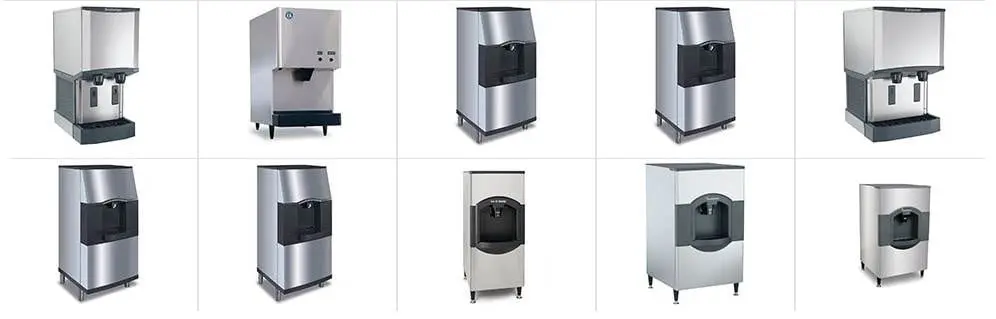
Countertop dispensers are compact machines that both produce and dispense ice (and often water) directly into a cup or container. They are the most popular configuration for hospital patient floors because they minimize contamination risk through touchless or lever-operated dispensing. Production capacity typically ranges from 200 to 400 pounds per day.
Floor-Standing Dispensers
Floor-standing ice and water dispensers are taller units that combine production, storage, and hands-free dispensing in one freestanding cabinet. They are well suited for high-traffic hallways, waiting rooms, and areas where a full-size machine is needed but scoop access must be eliminated for hygiene reasons.
| Machine Type | Daily Output | Best Placement | Price Range |
|---|---|---|---|
| Modular | 500 – 3,000+ lbs | Cafeterias, central kitchens | $4,000 – $13,000+ |
| Undercounter | 100 – 350 lbs | Nurse stations, clinics, break rooms | $1,500 – $4,500 |
| Countertop Dispenser | 200 – 400 lbs | Patient floors, nursing areas | $2,000 – $6,000 |
| Floor-Standing Dispenser | 300 – 700 lbs | Hallways, waiting rooms | $3,500 – $7,500 |
Top Factors to Consider When Shopping for Hospital Ice Makers
Selecting the right hospital ice maker involves more than just price. Healthcare environments impose unique requirements around hygiene, reliability, and volume that make this a mission-critical purchasing decision. Here are the key factors to weigh:
1. Production Capacity
The machine’s daily ice output (measured in pounds per 24 hours) must match your facility’s demand. Undersizing leads to chronic ice shortages during peak periods, while oversizing wastes capital and energy. Use the formula of approximately 10 lbs per patient bed plus cafeteria and staff needs as a starting point, and add a 25% buffer for peak demand.
2. Ice Type
Match the ice type to each department’s needs. Patient floors typically need nugget or flake ice, while cafeterias work best with cube ice. Some facilities solve this by deploying different machine types in different areas.
3. Hygiene & Sanitation Features
This is arguably the most critical factor in a healthcare setting. Look for machines with antimicrobial surfaces, sealed refrigeration systems that prevent external contamination, auto-clean cycles, and touchless dispensing. Ozone sanitation systems are an emerging feature that kills bacteria without chemicals and works between professional cleanings.
4. Cooling System Type
Hospital ice makers use either air-cooled or water-cooled condensers. Air-cooled machines are more common, more energy-efficient, and less expensive, but they require at least 8 inches of clearance on all sides for proper airflow. Water-cooled machines use significantly more water but work well in tight, poorly ventilated spaces. Note that some states and municipalities restrict or prohibit water-cooled commercial ice machines, so check local codes before purchasing.
5. Energy Efficiency
Hospitals operate 24/7, and ice machines run continuously. Choosing an ENERGY STAR certified machine can reduce energy consumption by 10–16% and water usage by 20% compared to standard models. Over a machine’s typical 8–10 year lifespan, this translates to thousands of dollars in utility savings.
6. Noise Level
On patient floors and in treatment areas, noise is a real concern. Many newer hospital-grade machines are designed for quiet operation, but it is worth checking decibel ratings, especially for units placed near patient rooms or rest areas.
7. Durability & Build Quality
Hospital ice machines run around the clock in demanding environments. Choose units constructed from stainless steel with components designed for commercial-grade use. Look for solid fronts that are easy to wipe down and sanitize.
8. Ease of Maintenance
Front- or side-accessible air filters, tool-free removable components, and intuitive controls make a significant difference for in-house maintenance staff. Auto-clean features reduce the labor required for routine sanitation. Approximately 70% of commercial ice machine maintenance issues are water-related, so proper filtration is essential.

Hospital Ice Maker Costs & Price Ranges (2026)
Understanding the full cost picture is essential for budgeting. The sticker price is only the beginning — installation, filtration, energy, and maintenance all contribute to total cost of ownership over the machine’s life.
Purchase Price by Machine Type
| Machine Type | Price Range (2026) | Typical Capacity |
|---|---|---|
| Undercounter (Compact) | $1,500 – $4,500 | 100 – 350 lbs/day |
| Countertop Dispenser | $2,000 – $6,000 | 200 – 400 lbs/day |
| Floor-Standing Dispenser | $3,500 – $7,500 | 300 – 700 lbs/day |
| Modular Head + Bin | $4,000 – $13,000+ | 500 – 3,000+ lbs/day |
Additional Costs to Budget For
- Delivery: $100 – $500 depending on location and machine size
- Professional Installation: $500 – $2,500+ (includes plumbing, electrical, and drain connections; often required for warranty validation)
- Water Filtration System: $150 – $600 upfront, plus $50 – $150 per replacement filter (typically every 6 months)
- Monthly Utilities: $50 – $200+ per machine for water and electricity
- Professional Cleaning & Maintenance: $150 – $400 per service visit (recommended at least every 6 months)
- Remote Condenser (if applicable): $800 – $1,500 for units requiring a separate condensing unit
Determining the Ideal Ice Production Capacity for Your Hospital
Getting the capacity right is one of the most important decisions you will make. Too little ice creates shortages during peak demand; too much wastes capital and energy.
How to Calculate Your Hospital’s Ice Needs
Start by accounting for your three primary demand categories:
- Patient ice: Multiply total bed count by 10 lbs per bed per day
- Cafeteria ice: Multiply average daily meals served by 1 lb per person
- Staff & visitor ice: Estimate 0.5 lb per staff member and visitor per day for break rooms, waiting areas, etc.
Add these figures together, then add a 25% buffer for peak demand periods such as meal rushes, shift changes, and seasonal increases.
Bin Storage Capacity
When selecting a storage bin for modular units, choose one with a capacity of at least 75% of the machine’s daily production. This prevents the bin from filling up too quickly and triggering the machine to shut off during high-demand periods.
Future-Proofing Your Purchase
If your facility is growing or anticipating increased patient volume, it is wise to select a machine with 10–15% more capacity than your current calculations suggest. The modest increase in upfront cost is far less expensive than replacing an undersized machine in two years.
Hygiene Standards & Regulatory Compliance for Hospital Ice Makers
Infection control is a top priority in any healthcare facility, and ice machines are classified as high-risk equipment. Contaminated ice has been linked to outbreaks of Legionnaires’ disease and other healthcare-associated infections, making proper machine selection and maintenance essential for patient safety and regulatory compliance.
Joint Commission Requirements
The Joint Commission classifies ice machines that provide patient nutrition as high-risk utility system components under Standard EC.02.05.01. Healthcare facilities must develop and maintain a written maintenance strategy specifically designed to minimize pathogenic bacteria in their ice machines and connected water systems. This typically includes scheduled professional deep cleanings, documented maintenance logs, and water quality testing.
CDC Guidelines
The Centers for Disease Control and Prevention (CDC) has documented cases of Legionnaires’ disease traced back to hospital ice machines and water dispensers. Their guidelines recommend using self-dispensing ice makers (rather than open ice bins with scoops) in healthcare settings, performing regular maintenance and disinfection, and keeping portable ice containers sanitized before adding ice intended for patient consumption.
Key Certifications to Look For
- NSF Certified: Confirms the machine meets health and safety standards for food and beverage equipment, ensuring clean ice production
- UL Listed: Verifies the unit meets established electrical and fire safety standards
- ENERGY STAR: Independently certified for energy efficiency — 10–16% better than standard models with 20% lower water consumption
- ADA Compliant: Important for machines accessible to patients and visitors; ensures the dispenser height and controls meet accessibility requirements
Maintenance & Cleaning Best Practices
Proper maintenance keeps hospital ice machines safe, compliant, and operating efficiently. A consistent cleaning schedule reduces contamination risk, extends machine life, and prevents costly breakdowns.
Recommended Cleaning Schedule
- Daily: Check that the machine temperature stays between 40°F and 90°F ambient. Ensure adequate airflow around the unit with no items blocking vents. Inspect ice maker and drain pipes for debris.
- Weekly: Sanitize all exterior surfaces, especially around the dispensing area. Disinfect and sanitize the drip tray. Spray disinfecting solution on any surfaces where beverages could splash, allowing 10 minutes of wet contact time before rinsing.
- Monthly: Clean air filters by running hot water through them by hand (never use a dishwasher). Inspect for any signs of mold or biofilm development.
- Every 6 Months (Minimum): Schedule a professional deep cleaning of all internal components, including the evaporator, water distribution system, and storage bin interior. Document all maintenance per Joint Commission requirements.
Best Practices for Daily Use
Beyond scheduled cleaning, safe daily handling practices are essential. Staff should sanitize hands or wear clean gloves before dispensing ice. No used cups or containers should touch any surface of the machine. Beverages and food should never be dumped into the drip tray, as bacteria can grow from foreign substances and transfer to ice through splashing. For facilities using machines with scoop access, ensure scoops are stored in a sanitary holster — never inside the ice bin.
Water Filtration
Roughly 70% of ice machine maintenance issues trace back to water quality. Installing proper filtration (typically a two-stage system with a sediment filter and a carbon block filter) protects the machine from scale buildup, chlorine taste, and sediment. Replace filters per manufacturer recommendations, typically every 6 months, and consider scale elimination systems to reduce service calls and extend machine life.

Top Hospital Ice Maker Brands in 2026
Several manufacturers have established themselves as leaders in the healthcare ice machine market. Each brand has specific strengths worth understanding as you compare options.
Scotsman
Scotsman has been producing ice machines since 1952 and is one of the most recognized names in healthcare ice. They offer a wide range of nugget, flake, and cube machines specifically designed for medical environments. Scotsman’s Meridian series is commonly found in hospitals, and many of their models are ENERGY STAR certified. They also support the Giving Ice Fund, which contributes to global water and sanitation efforts with every healthcare ice machine sold.
Hoshizaki
Hoshizaki is known for building highly durable, reliable ice machines with advanced sanitation features. Their countertop dispensers with touchless operation are popular on hospital patient floors. Hoshizaki machines are frequently cited for longevity and low total cost of ownership, making them a strong choice for facilities that prioritize long-term value.
Manitowoc
Manitowoc manufactures a full lineup from compact undercounter units to their massive QuietQube series, which can produce up to 3,000 lbs of ice per day. Their machines are known for quiet operation and intelligent diagnostics that simplify troubleshooting. Manitowoc offers both nugget and cube ice configurations suitable for healthcare settings.
Follett
Follett specializes in ice and water dispensers designed specifically for healthcare. Their Symphony series and proprietary Chewblet ice (a soft, chewable ice type) are engineered for patient-facing applications. Follett machines feature industry-exclusive sanitary designs with SensorSAFE touchless dispensing and are available in countertop, freestanding, and wall-mount configurations.
Ice-O-Matic
Ice-O-Matic offers a cost-effective lineup that appeals to smaller facilities and clinics. Their machines focus on ease of maintenance with front-accessible components and simple controls. While they may not have the same depth of healthcare-specific features as Follett or Scotsman, they are a solid budget-friendly option for lower-volume applications.
| Brand | Known For | Healthcare Strength | Price Tier |
|---|---|---|---|
| Scotsman | Nugget ice, healthcare focus | Meridian dispensers, ENERGY STAR range | $$–$$$ |
| Hoshizaki | Durability, touchless dispensing | Long lifespan, low maintenance | $$–$$$ |
| Manitowoc | High capacity, quiet operation | QuietQube series, smart diagnostics | $$–$$$$ |
| Follett | Healthcare-specific design | Chewblet ice, SensorSAFE dispensing | $$–$$$ |
| Ice-O-Matic | Affordability, easy maintenance | Budget-friendly, simple operation | $–$$ |
Buying vs. Leasing a Hospital Ice Maker
Healthcare facilities have two primary acquisition paths: purchasing ice makers outright or entering a lease/subscription agreement. Each approach has trade-offs that depend on your facility’s budget structure, maintenance capabilities, and operational priorities.
Purchasing
Advantages: You own the equipment outright, which means no ongoing monthly payments after the initial investment. Over a 10+ year machine life, purchasing is typically the lower total cost. You also have the flexibility to choose any maintenance provider or handle cleaning in-house.
Disadvantages: Requires significant upfront capital ($1,500–$13,000+ per machine). Your facility is responsible for all maintenance, repairs, and emergency breakdowns. Warranty coverage is typically limited to 3–5 years for parts and 1 year for labor.
Leasing / Subscription Programs
Advantages: Low or no upfront cost, with one predictable monthly payment that typically includes the machine, all routine maintenance, repairs, emergency service, and sometimes even backup ice during breakdowns. Subscription providers handle professional cleaning, filter replacements, and equipment upgrades. This model frees up capital for other investments and eliminates surprise repair bills.
Disadvantages: Over a long period, total payments may exceed the purchase price. You do not own the equipment, and contract terms may include minimum commitment periods. Equipment selection may be limited to the provider’s available brands and models.
How to Choose the Right Vendor for Your Hospital Ice Maker
The vendor you work with matters as much as the machine you select. A knowledgeable, reliable supplier can provide valuable guidance, ensure proper installation, and support you with service throughout the life of the equipment.
What to Evaluate
- Healthcare Experience: Choose a vendor with proven experience supplying ice machines to hospitals and healthcare facilities. They should understand infection control requirements, Joint Commission standards, and the unique demands of 24/7 operations.
- Product Selection: The vendor should carry multiple brands and configurations so you can choose the best fit for each area of your facility, rather than being limited to a single manufacturer.
- Installation & Setup: Professional installation is typically required for warranty coverage and proper function. Confirm the vendor handles plumbing, electrical, and drain connections.
- Service & Support: Ask about response times for repair calls, availability of emergency service, and whether they offer preventive maintenance contracts. For a hospital, 24/7 support availability is highly valuable.
- Pricing Transparency: Request detailed quotes that include the machine, delivery, installation, water filtration, and any recurring costs. This allows for true apples-to-apples comparison between vendors.
How to Compare Vendors Efficiently
Gathering and comparing multiple quotes is the most effective way to ensure you get competitive pricing and the best service terms. Kwote Advisor simplifies this process by connecting you with pre-vetted ice maker suppliers who serve the healthcare industry. Submit one request and receive multiple quotes to compare side by side — at no cost and with no obligation.

Frequently Asked Questions About Hospital Ice Makers
How much does a hospital ice maker cost?
Hospital ice makers range from approximately $1,500 for compact undercounter units to $13,000+ for high-capacity modular systems. Countertop dispensers typically cost $2,000–$6,000. Beyond the machine price, budget for installation ($500–$2,500), water filtration ($150–$600), and ongoing maintenance. Total first-year cost for a single machine can reach $7,000 or more.
What type of ice is best for hospital patients?
Nugget ice (also called cubelet or chewable ice) is the most popular choice for patient care. It is soft, porous, and easy to chew, making it safe for patients who have difficulty swallowing liquids. Flake ice is also widely used for cold therapy, injury packing, and specimen transport due to its moldable texture and lack of sharp edges.
How much ice does a hospital need per day?
As a general rule, hospitals require about 10 lbs of ice per patient bed per day, plus roughly 1 lb per cafeteria meal served. A 200-bed hospital serving 500 meals daily would need approximately 2,700 lbs of base ice production, with a 25% buffer for peak demand — totaling around 3,375 lbs per day.
How often should hospital ice machines be cleaned?
Daily exterior checks and weekly sanitization of external surfaces are recommended. Air filters should be cleaned monthly. A full professional deep cleaning of internal components should occur at least every six months. The Joint Commission requires a documented written maintenance strategy for all ice machines providing patient nutrition.
What certifications should a hospital ice maker have?
Look for NSF certification (food and beverage safety), UL listing (electrical safety), ENERGY STAR rating (energy and water efficiency), and ADA compliance (accessibility). Machines with antimicrobial components and sealed refrigeration provide additional infection control benefits.
Should a hospital buy or lease an ice maker?
Both options have merit. Purchasing offers lower long-term cost and full ownership, but requires managing your own maintenance and repairs. Leasing or subscribing provides predictable monthly costs, professional maintenance, repair coverage, and backup ice — all valuable benefits in a 24/7 healthcare environment. Many large hospitals prefer subscription programs for the included service and compliance support.
What is the best brand for hospital ice makers?
Scotsman, Hoshizaki, Manitowoc, and Follett are the most widely used brands in healthcare. Scotsman and Follett are known for healthcare-specific designs, while Hoshizaki excels in durability and Manitowoc in high-capacity production. The best brand depends on your specific capacity needs, budget, and ice type requirements.
Are touchless ice dispensers required in hospitals?
While not universally required by federal regulation, touchless (hands-free) dispensing is strongly recommended by the CDC and is required in some states for self-service ice intended for human consumption. California building codes, for example, mandate self-dispensing ice makers in nursing units. The trend across healthcare is moving strongly toward touchless models for infection control.