
HVAC Maintenance Advice: The Complete 2026 Guide for Homeowners
Everything you need to know about keeping your heating and cooling system running efficiently — seasonal checklists, DIY tips, cost breakdowns, and expert recommendations.
Key Takeaways
- Schedule professional HVAC maintenance twice a year — spring and fall — to prevent breakdowns and keep your warranty valid.
- Replace air filters every 30–90 days to maintain airflow, indoor air quality, and energy efficiency.
- Regular maintenance can lower your energy bills by up to 15–30% and extend system lifespan to 20+ years.
- Many maintenance tasks are DIY-friendly, but electrical, refrigerant, and mechanical repairs require a licensed technician.
HVAC systems play a vital role in providing comfortable indoor environments in residential and commercial settings. However, these systems require regular maintenance to function efficiently and extend their lifespan. Neglecting regular maintenance can lead to increased energy bills, reduced system performance, and even complete system failure.
In this comprehensive guide, we cover everything homeowners need to know about HVAC maintenance — from simple tasks you can do yourself to knowing when it’s time to call in a professional. Whether you have a central air conditioner, heat pump, furnace, or ductless mini-split, these HVAC maintenance tips will help protect your investment and keep your family comfortable year-round.
Why HVAC Maintenance Matters
Your HVAC system is one of the most expensive and hardest-working appliances in your home. It runs nearly every day of the year, circulating thousands of cubic feet of air while keeping temperatures comfortable regardless of the weather outside. Without regular upkeep, this constant workload takes a toll.
Here’s why proactive HVAC maintenance advice is worth following:
- Lower energy bills: According to the U.S. Department of Energy, heating and cooling account for nearly half of the average home’s energy costs. A well-maintained system uses less energy to produce the same output, which means lower monthly utility bills.
- Fewer breakdowns: Most emergency HVAC repairs stem from problems that could have been caught during routine maintenance. Replacing a worn belt or cleaning a dirty coil is far cheaper than repairing a burned-out compressor.
- Extended system lifespan: The average HVAC system lasts 15 to 25 years with proper care. Without maintenance, that lifespan can shrink significantly, forcing you into an early and expensive replacement.
- Better indoor air quality: Your HVAC system filters the air your family breathes. Dirty filters, moldy coils, and clogged drain lines can circulate allergens, dust, and even mold spores throughout your home.
- Warranty protection: Many HVAC manufacturers require proof of annual professional maintenance to honor warranty claims. Skipping maintenance could void your coverage when you need it most.
Seasonal HVAC Maintenance Checklist
Your HVAC system has different demands throughout the year. Following a seasonal maintenance schedule ensures each component gets attention before it’s called on to work hardest. Here’s what to focus on each season:
Spring (March–May)
Service your cooling system before summer heat arrives. Clean condenser coils, replace filters, test the A/C, and clear debris from the outdoor unit.
Summer (June–August)
Monitor filter condition monthly during heavy use. Keep the condensate drain clear, check thermostat programming, and watch for signs of strain.
Fall (September–November)
Prepare your heating system for winter. Schedule a furnace or heat pump inspection, test the heating cycle, and seal any drafty areas around your home.
Winter (December–February)
Replace filters regularly, ensure vents are unblocked, monitor energy bills for spikes, and keep the outdoor heat pump unit clear of snow and ice.
Pro Tip: Schedule your professional cooling tune-up in late winter or early spring, and your heating tune-up in late summer or early fall. Technicians are less busy during these shoulder seasons, so you’ll often get faster scheduling and may find promotional pricing.
10 DIY HVAC Maintenance Tips Every Homeowner Should Know
Many HVAC maintenance tasks don’t require a professional. These are things you can do yourself on a regular basis to keep your system performing at its best between professional visits.
1. Replace Air Filters Regularly
This is the single most impactful HVAC maintenance task any homeowner can perform. A clogged air filter restricts airflow, forces your system to work harder, and can cause dirt to accumulate on the evaporator coil — reducing its ability to absorb heat. For standard 1-inch filters, aim to replace them every 30 to 90 days. Homes with pets, smokers, or allergy sufferers should lean toward monthly replacement. Thicker media filters (4–5 inches) typically last 6 to 12 months.
2. Check and Clean Condenser Coils
Condenser coils are responsible for releasing heat from your home to the outside air. These coils, located on the outdoor unit, collect dirt, grass clippings, and leaves over time. When coated in grime, they can’t release heat efficiently, which forces your compressor to work harder and increases energy consumption. At least once per season, gently rinse the coils with a garden hose (never a pressure washer) to remove debris.
3. Clean the Evaporator Coil and Drain Line
The indoor evaporator coil absorbs heat from the air circulating through your home. Over time, even with clean filters, dust can accumulate on the coil and reduce its efficiency. The condensate drain line — typically a PVC pipe running from the indoor unit — can also develop clogs from algae and mold growth. Flush the drain line with a cup of white vinegar or a bleach-water mixture every few months to prevent backups that can cause water damage.
4. Keep the Outdoor Unit Area Clear
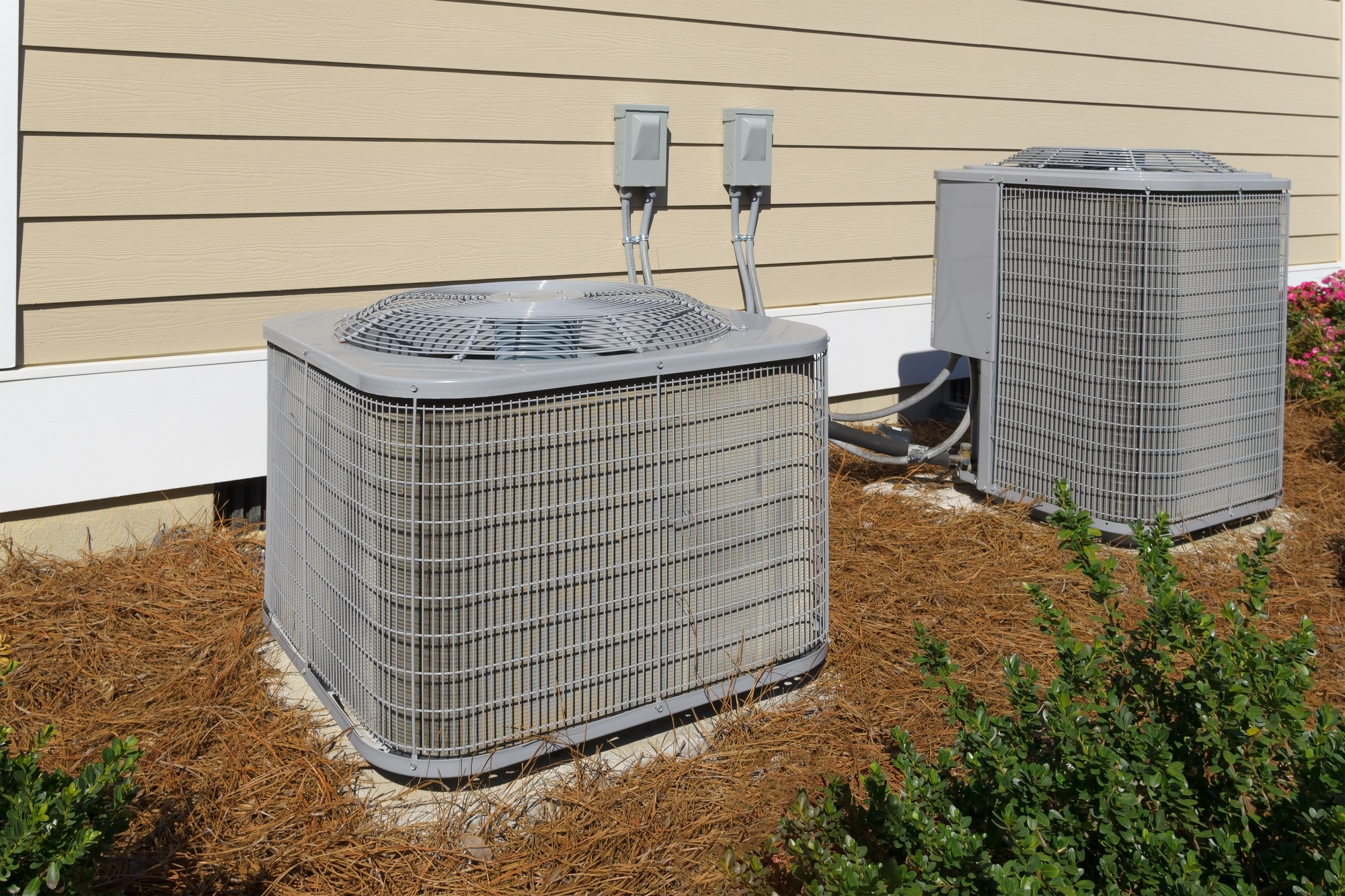
Your outdoor condenser unit needs adequate airflow to function properly. Trim back shrubs, plants, and grass to maintain at least two feet of clearance on all sides. Remove fallen leaves, twigs, and any debris that collects around the base. After mowing, blow grass clippings away from the unit to prevent them from being drawn into the fins.
5. Inspect and Clean Vents and Registers
Supply and return vents throughout your home can accumulate dust and even pet hair, which restricts airflow. Vacuum your vents regularly and make sure no furniture, rugs, or curtains are blocking them. Despite the common misconception, closing vents in unused rooms doesn’t save energy — it actually creates pressure imbalances that strain your blower motor and reduce system efficiency.
6. Monitor and Program Your Thermostat
Verify that your thermostat reads temperatures accurately by comparing it with a standalone thermometer. Program energy-saving schedules that raise the temperature in summer and lower it in winter when you’re away or asleep. If you have an older manual thermostat, consider upgrading to a programmable or smart thermostat, which can reduce heating and cooling costs by 10% or more. Replace thermostat batteries annually to prevent malfunctions.
7. Check for Air Leaks in Ductwork
Leaky ducts can waste 20% to 30% of the conditioned air your system produces, according to ENERGY STAR estimates. Inspect visible ductwork in your attic, basement, and crawl spaces for gaps, disconnected joints, or damaged insulation. You can seal minor leaks yourself using mastic sealant or metal-backed (UL-listed) foil tape. Avoid standard duct tape — despite its name, it deteriorates quickly on ductwork.
8. Inspect Electrical Connections
Loose or corroded electrical connections can cause intermittent system failures or pose a fire hazard. Before doing any inspection, always shut off power to the unit at the breaker panel. Look for visible signs of wear such as frayed wires, burn marks, or corrosion on terminals. If you notice anything concerning, call a licensed HVAC technician to make repairs safely.
Important: Always turn off all power to your HVAC system before performing any inspection or maintenance that involves removing panels or accessing internal components. Electrical work beyond a visual inspection should only be handled by a licensed professional.
9. Test Carbon Monoxide and Smoke Detectors
If you have a gas furnace, boiler, or water heater, working carbon monoxide (CO) detectors are essential. HVAC maintenance should include testing all CO detectors and smoke alarms in your home. Replace batteries at least once a year (many homeowners use the daylight saving time change as a reminder) and replace the detectors themselves according to the manufacturer’s recommended timeline, typically every 5 to 7 years.
10. Upgrade to Energy-Efficient Equipment
If your HVAC system is more than 10–15 years old, it may be operating at far below modern efficiency standards. Newer ENERGY STAR–certified systems can use 20% to 50% less energy than older equipment. Even before a full replacement, smaller upgrades like a smart thermostat, improved insulation, or duct sealing can meaningfully improve performance and reduce your energy bills.
Ready to Upgrade Your HVAC System?
Compare free quotes from pre-screened HVAC contractors in your area. No obligation, no hassle.
Compare HVAC QuotesWhen to Call a Professional HVAC Technician
While the DIY tips above cover routine upkeep, certain HVAC maintenance tasks require a trained and licensed professional. Here’s what a qualified technician should handle during their inspection:
Professional Maintenance Checklist
Refrigerant levels: A technician will check refrigerant charge, test for leaks, and recharge the system if needed. Too much or too little refrigerant reduces efficiency and can damage the compressor.
Electrical components: Inspection and tightening of all electrical connections, testing of capacitors, relays, and contactors, and measurement of voltage and current on motors.
Blower motor and belt: Cleaning the blower assembly, lubricating moving parts, and adjusting belt tension to ensure proper airflow.
Heat exchanger inspection: Checking for cracks in the heat exchanger (furnaces), which can leak carbon monoxide into your home — a potentially life-threatening safety issue.
Duct leakage testing: Professional duct testing and sealing to address the 20–30% energy loss caused by leaky ductwork.
System calibration: Verifying thermostat accuracy, testing safety controls, and calibrating the system for optimal performance.
How Much Does HVAC Maintenance Cost?
Understanding maintenance costs helps you budget properly and evaluate whether service agreements make financial sense. Here’s what to expect in 2026:
| Service Type | Typical Cost Range | What’s Included |
|---|---|---|
| Single A/C Tune-Up | $75–$200 | Coil cleaning, filter check, refrigerant test, electrical inspection |
| Single Furnace Tune-Up | $80–$200 | Heat exchanger inspection, burner cleaning, safety controls test |
| Heat Pump Tune-Up | $100–$220 | Both heating & cooling mode test, defrost cycle check, coil cleaning |
| Annual Maintenance Plan | $150–$500/yr | Two tune-ups, priority scheduling, repair discounts (10–20%) |
| Duct Cleaning | $300–$600 | Full duct system cleaning, register removal and cleaning |
| Air Filter (DIY) | $5–$40 each | Depends on size, type, and MERV rating |
Money-Saving Tip: Many HVAC contractors offer discounted rates for maintenance scheduled during their off-peak months (typically early spring and early fall). Ask about seasonal promotions when booking your appointment.
7 Warning Signs Your HVAC System Needs Immediate Attention
Even with regular maintenance, problems can develop. Knowing these warning signs helps you catch issues early before they escalate into major repairs:
- Unusual noises: Grinding, squealing, banging, or rattling sounds typically indicate loose components, a failing motor bearing, or a damaged belt. Address these sounds promptly to prevent further damage.
- Inconsistent temperatures: Hot and cold spots throughout your home can signal ductwork issues, low refrigerant, a failing compressor, or improperly sized equipment.
- Rising energy bills: A sudden or gradual increase in utility costs without a change in usage patterns often means your system is losing efficiency due to dirty coils, worn parts, or refrigerant leaks.
- Weak or reduced airflow: Noticeably less air coming from vents could mean a clogged filter, blocked duct, failing blower motor, or frozen evaporator coil.
- Frequent cycling: If your system turns on and off more frequently than usual (short-cycling), it could be overheating, have a refrigerant issue, or the thermostat may be malfunctioning.
- Strange odors: A musty smell may indicate mold in the ductwork or on the evaporator coil. A burning electrical smell requires immediate attention — shut down the system and call a technician.
- Excess moisture or leaks: Water pooling around the indoor unit usually points to a clogged condensate drain. Refrigerant leaks (sometimes visible as ice on the lines) require professional repair.
Safety Alert: If you smell gas or rotten eggs near your furnace, leave the house immediately without using any electrical switches or appliances. Call your gas utility’s emergency line from outside. Gas leaks are a serious safety hazard.
How HVAC Maintenance Saves You Money
Regular HVAC maintenance isn’t just about comfort — it has a real financial impact. Here’s how the numbers typically break down for homeowners who follow a consistent maintenance schedule:
- Energy bill reduction: Clean coils, fresh filters, and properly charged refrigerant allow your system to operate at peak efficiency. This can lower heating and cooling costs by 15% to 30% compared to a neglected system.
- Avoided emergency repairs: The average emergency HVAC repair costs $300 to $600 or more, often with premium charges for after-hours service. Most of these repairs could have been prevented by catching the underlying issue during routine maintenance.
- Delayed replacement costs: A new HVAC system costs $5,000 to $15,000+ installed. Regular maintenance can add 5 to 10 years to your system’s operational life, delaying that significant expense.
- Preserved home value: A documented maintenance history is a selling point when listing your home. Buyers and home inspectors look for evidence that major systems have been properly cared for.
When you add it up, spending $150 to $500 per year on professional maintenance can easily save you thousands of dollars over the life of your system.
HVAC Maintenance Advice by System Type
Different HVAC systems have unique maintenance requirements. Here’s a quick breakdown of system-specific care:
Central Air Conditioners
Central A/C units rely on both an indoor evaporator coil and an outdoor condensing unit. Focus on keeping both coil sets clean, maintaining proper refrigerant levels, and ensuring the condensate drain line stays clear. Have a technician check the refrigerant charge annually — even a small leak reduces efficiency significantly and can damage the compressor over time.
Gas & Oil Furnaces
Furnace maintenance centers on safety and combustion efficiency. The heat exchanger must be inspected annually for cracks, which can release dangerous carbon monoxide. Burners should be cleaned, the flame sensor checked, and the flue and venting system inspected for blockages. Always ensure your CO detectors are functioning properly in homes with fuel-burning furnaces.
Heat Pumps
Heat pumps work year-round for both heating and cooling, so they require maintenance attention for both modes. In addition to standard coil and filter care, the defrost cycle should be tested before winter, and the reversing valve should be inspected to ensure it switches between heating and cooling modes properly. Keep the outdoor unit elevated and clear of snow and ice buildup during winter months.
Ductless Mini-Split Systems
Ductless systems require regular cleaning of the washable filters inside each indoor air handler — typically every two to four weeks during heavy use. The indoor units should be kept dust-free, and the outdoor compressor needs the same clearance and cleaning as a traditional condenser. Many ductless systems have a self-diagnostic feature that displays error codes when maintenance is needed.
Not sure if your system needs maintenance or replacement? Get free, no-obligation quotes from trusted HVAC professionals near you.
Get Free HVAC QuotesHVAC Maintenance Plans: Are They Worth It?
Many HVAC companies offer annual maintenance plans (also called service agreements or comfort plans). These plans typically include two tune-up visits per year, priority scheduling during busy seasons, and discounts on parts and labor if repairs are needed.
Maintenance plans generally make sense if:
- Your system is 5+ years old and more likely to need repairs
- You want the peace of mind of scheduled, automatic maintenance
- The plan offers meaningful repair discounts (10–20% or more)
- You need priority service during peak heating or cooling season
They may not be worth it if:
- Your system is brand new and under a comprehensive manufacturer warranty
- The plan costs significantly more than booking two tune-ups individually
- The included services are minimal and don’t cover meaningful inspection tasks
Before signing up, read the fine print. Compare the plan cost to what two individual tune-ups would cost, and check exactly what services and discounts are included. A good maintenance plan from a reputable contractor can be an excellent investment — a bad one is just a recurring charge with little value.
Frequently Asked Questions About HVAC Maintenance
You should schedule professional HVAC maintenance at least twice per year — once in the spring before cooling season begins and once in the fall before heating season starts. This ensures both your air conditioner and furnace (or heat pump) are inspected, cleaned, and tuned up before periods of heavy use.
Standard 1-inch air filters should be replaced every 30 to 90 days. Homes with pets, allergies, or high dust levels may need monthly changes. Thicker 4- to 5-inch media filters can last 6 to 12 months. Check your filter monthly and replace it when it looks visibly dirty or grey.
A single professional HVAC maintenance visit typically costs between $75 and $200. Annual maintenance plans range from $150 to $500 per year and usually include two tune-ups (one for heating, one for cooling), priority scheduling, and discounts on any needed repairs.
Yes, many tasks are DIY-friendly: replacing filters, cleaning vents and registers, clearing debris from the outdoor unit, checking thermostat settings, and inspecting visible ductwork. However, anything involving electrical components, refrigerant, or internal mechanical parts should be handled by a licensed technician.
Key warning signs include unusual noises (grinding, squealing, banging), inconsistent temperatures between rooms, unexplained increases in energy bills, weak airflow from vents, frequent on/off cycling, strange odors, and visible ice buildup on refrigerant lines or the outdoor unit.
With proper maintenance, air conditioners and heat pumps typically last 15 to 20 years, while furnaces can last 20 to 25 years. Without regular maintenance, these lifespans can be cut by 30% to 50%, meaning premature replacement and significant unexpected costs.
For most homeowners with systems over 5 years old, a maintenance plan is a good investment. Plans typically cost $150 to $500/year and include two annual tune-ups, priority scheduling, and repair discounts. Compare the plan cost to individual tune-up prices, and check what services are actually included before signing up.
In many cases, yes. Most HVAC manufacturers require proof of annual professional maintenance to honor warranty claims. Keep your maintenance records (receipts, invoices, service reports) in a safe place so you can provide documentation if you ever need to file a warranty claim.
Keep Your HVAC System Running at Its Best
Whether you need a tune-up, repair, or full system replacement, get matched with top-rated local HVAC contractors — free and with no obligation.
Compare HVAC Quotes