
What Does HVAC Stand For?
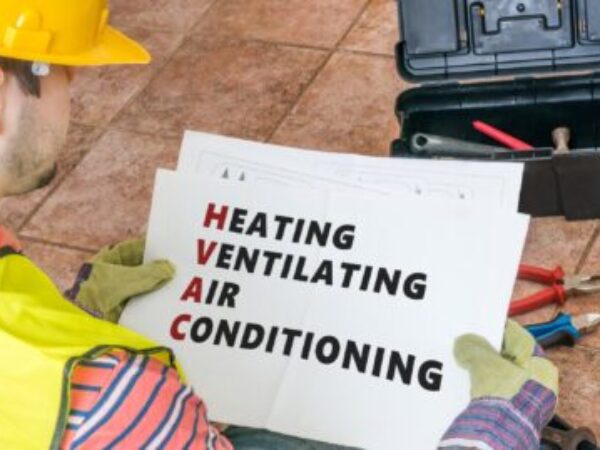
HVAC stands for Heating, Ventilation, and Air Conditioning. It refers to the systems used in homes and buildings to control indoor temperature, humidity, airflow, and air quality year-round.
If you’ve ever seen the letters “HVAC” on a service truck, a thermostat, or a contractor’s business card and wondered what they mean, you’re not alone. It’s one of the most commonly searched questions in the home improvement space—and the answer is simple. HVAC is an acronym for Heating, Ventilation, and Air Conditioning.
But there’s a lot more to understand beyond the acronym itself. Your HVAC system is responsible for keeping your home comfortable in every season, filtering the air you breathe, and controlling moisture levels that protect both your health and your property. In this guide, we’ll break down everything you need to know about HVAC—what each letter means, how the system works, what components are involved, what it costs, and how to keep it running efficiently.
The HVAC Meaning: Heating, Ventilation & Air Conditioning
HVAC stands for Heating, Ventilation, and Air Conditioning. Each letter in the acronym represents one of the three core functions that work together to create a comfortable and healthy indoor environment:
H – Heating
The heating component keeps your home warm during cold weather. This is typically accomplished through a furnace, boiler, or heat pump that generates warmth and distributes it throughout the building. In most homes across the United States, a gas furnace connected to a duct system serves as the primary heat source.
V – Ventilation
Ventilation is the process of exchanging indoor air with fresh outdoor air. Good ventilation removes stale air, odors, excess humidity, and airborne pollutants like dust and allergens. It can be achieved naturally (through open windows) or mechanically through fans, ductwork, and dedicated ventilation systems like HRVs and ERVs.
AC – Air Conditioning
Air conditioning cools indoor air during hot weather by removing heat and humidity from the space. It typically uses a refrigeration cycle with a compressor, condenser, evaporator coil, and refrigerant to absorb indoor heat and release it outdoors. Central air conditioners, heat pumps, and ductless mini-split systems are the most common types.
Together, these three systems form a unified climate control solution. Whether the temperature outside is below freezing or over 100°F, your HVAC system adjusts automatically—controlled by a thermostat—to maintain a consistent, comfortable temperature indoors.
Key Components of an HVAC System
An HVAC system is made up of multiple interconnected parts, each playing a specific role in heating, cooling, or circulating air through your home. Understanding these components can help you make better decisions about maintenance, repairs, and replacements.
Heating Equipment
Furnaces are the most common residential heating source. They generate heat by burning natural gas, propane, or oil (or using electric resistance), then push warm air through ductwork to every room. Boilers work differently—they heat water and distribute warmth through radiators or in-floor radiant systems. Heat pumps are an increasingly popular option that can both heat and cool a home by transferring heat between indoor and outdoor air (or the ground in the case of geothermal heat pumps).
Cooling Equipment
Central air conditioners use a split system with an outdoor condenser unit and an indoor evaporator coil to cool the entire home. Ductless mini-split systems provide targeted cooling to specific rooms or zones without requiring ductwork, making them ideal for older homes, additions, or spaces where traditional ducts aren’t practical. Heat pumps also serve as cooling equipment when operating in reverse mode.
Ventilation Equipment
The ventilation side of HVAC includes ductwork (the metal or flexible channels that distribute conditioned air), vents and registers (the outlets where air enters each room), and exhaust fans that remove stale air from kitchens and bathrooms. More advanced setups include Heat Recovery Ventilators (HRVs) and Energy Recovery Ventilators (ERVs), which exchange indoor and outdoor air while recapturing energy to maintain efficiency.
Thermostat
The thermostat is the control center of your HVAC system. It monitors indoor temperature and signals the heating or cooling equipment to turn on or off as needed. Modern smart thermostats go further—they learn your schedule, adjust settings automatically, and can be controlled remotely from a smartphone, helping reduce energy waste.
Air Quality Products
Many HVAC systems also incorporate air filters to capture dust and allergens, air purifiers to eliminate bacteria and viruses, humidifiers to add moisture in dry climates, and dehumidifiers to remove excess moisture in humid regions. These components work within the HVAC system to improve overall indoor air quality.
How Does an HVAC System Work?
While each component performs a distinct function, the beauty of an HVAC system is how everything works together as a single, coordinated unit. Here’s a simplified look at how the process flows through a typical residential system:
During cold weather, you set your thermostat to your preferred temperature. When the indoor temperature drops below that set point, the thermostat signals the furnace (or heat pump) to activate. The furnace burns fuel or the heat pump extracts warmth from the outdoor air, then the blower fan pushes that heated air through the ductwork and out of the supply vents in each room. Return vents draw cooler room air back to the system to be reheated, creating a continuous loop.
During warm weather, the process reverses. When the thermostat detects that indoor temperatures have risen above the set point, it activates the air conditioner or heat pump. Refrigerant circulates between the indoor evaporator coil and the outdoor condenser unit. The evaporator absorbs heat from the indoor air, cooling it down, while the condenser releases that captured heat outdoors. The cooled, dehumidified air is distributed through the same ductwork.
Throughout the year, the ventilation component works continuously. Air filters clean particles from the air as it circulates, and mechanical ventilation systems exchange stale indoor air for fresh outdoor air. This ongoing cycle ensures that the air inside your home stays clean, well-oxygenated, and at the right humidity level.
Types of HVAC Systems
Not all homes use the same type of HVAC system. The best option for your home depends on its size, layout, climate, existing infrastructure, and your budget. Here are the most common types of HVAC systems found in residential properties:
Central Heating and Air Conditioning (Split System)
This is the most widely used HVAC configuration in American homes. A split system features an outdoor unit (the air conditioner or heat pump) and an indoor unit (the furnace and evaporator coil) connected by refrigerant lines. Conditioned air is distributed throughout the home through a network of ducts. Split systems are efficient, reliable, and well-suited for homes that already have ductwork in place.
Heat Pump Systems
Heat pumps provide both heating and cooling from a single unit by transferring heat rather than generating it through combustion. Air-source heat pumps are the most common and work well in moderate climates. Ground-source (geothermal) heat pumps are more expensive to install but offer exceptional efficiency by drawing heat from underground. Newer cold-climate heat pumps are designed to operate effectively even when outdoor temperatures drop well below freezing.
Ductless Mini-Split Systems
Ductless systems consist of an outdoor compressor and one or more wall-mounted indoor air handlers. Each air handler can be controlled independently, providing zone-based heating and cooling. They’re an excellent choice for homes without existing ductwork, room additions, garages, and spaces where precise temperature control is important.
Packaged HVAC Systems
In a packaged system, all heating and cooling components are housed in a single outdoor unit, usually placed on the roof or a concrete slab beside the home. Conditioned air is delivered through ductwork. These systems are common in areas with limited indoor space and are popular in warmer climates.
Hybrid (Dual-Fuel) Systems
A hybrid system pairs an electric heat pump with a gas furnace. The heat pump handles heating during mild weather when it’s most efficient, and the furnace takes over when temperatures drop below a certain threshold. This combination optimizes energy savings while ensuring reliable comfort even in extreme cold.
Boiler and Radiant Heating Systems
Boiler-based systems heat water and distribute warmth through radiators, baseboard heaters, or in-floor radiant tubing. They’re common in older homes and in regions with very cold winters. Radiant heating provides even, draft-free warmth, though it requires a separate system for cooling.
| HVAC System Type | Heating | Cooling | Best For |
|---|---|---|---|
| Central Split System | Furnace | Central AC | Homes with existing ductwork |
| Heat Pump | Yes | Yes | Moderate climates, energy efficiency |
| Ductless Mini-Split | Yes | Yes | No ductwork, additions, zone control |
| Packaged System | Yes | Yes | Limited indoor space |
| Hybrid / Dual-Fuel | Heat pump + furnace | Heat pump | Cold climates, max efficiency |
| Boiler / Radiant | Boiler | Separate AC needed | Older homes, even heating |
HVAC vs. AC: What’s the Difference?
Many people use the terms “HVAC” and “AC” interchangeably, but they’re not the same thing. AC stands for Air Conditioning and refers specifically to the cooling part of your climate control system. HVAC is the broader term that encompasses heating, ventilation, and air conditioning together.
Think of it this way: every air conditioning system is a part of HVAC, but HVAC includes much more than just cooling. It also covers your furnace or heat pump, your ductwork and ventilation equipment, your thermostat, and your air quality accessories. When a contractor describes themselves as an “HVAC technician,” it means they’re qualified to work on heating, cooling, and ventilation systems—not just air conditioners.
Another term you may encounter is HVAC&R, which adds “Refrigeration” to the acronym. This is more common in commercial and industrial settings where refrigeration systems are part of the building’s mechanical infrastructure.
How Much Does an HVAC System Cost?
The cost of an HVAC system varies significantly based on the type of equipment, the size of your home, installation complexity, and your local climate. Here’s a general overview of what homeowners can expect to pay in 2026:
| HVAC Component | Average Cost Range |
|---|---|
| Central Air Conditioner | $3,500 – $7,500 |
| Gas Furnace | $2,500 – $6,500 |
| Heat Pump (Air-Source) | $4,000 – $8,000 |
| Ductless Mini-Split (Single Zone) | $2,000 – $5,000 |
| Complete HVAC System (Furnace + AC) | $5,000 – $15,000+ |
| Geothermal Heat Pump | $15,000 – $35,000+ |
These figures include both equipment and professional installation. Factors that can push costs higher include installing new ductwork, upgrading your electrical panel, choosing a high-efficiency system, or living in an area with a higher cost of living. Many homeowners can offset some of the cost through federal tax credits, local utility rebates, and manufacturer promotions.
HVAC Efficiency Ratings Explained
When shopping for a new HVAC system, you’ll see efficiency ratings listed on equipment specifications. Understanding these ratings helps you compare products and estimate long-term energy costs. In general, higher numbers mean greater efficiency and lower operating costs.
SEER / SEER2 (Seasonal Energy Efficiency Ratio)
SEER measures the cooling efficiency of air conditioners and heat pumps over an entire cooling season. The updated SEER2 standard, which took effect in 2023, uses a slightly different testing procedure. A higher SEER2 rating means the unit uses less energy to produce the same amount of cooling. As of 2026, the federal minimum for central air conditioners is 14–15 SEER2 depending on your region, with high-efficiency models reaching 20 SEER2 or more.
AFUE (Annual Fuel Utilization Efficiency)
AFUE applies to gas and oil furnaces and boilers. It measures what percentage of fuel consumed is converted directly into heat. For example, a furnace with a 96% AFUE rating turns 96 cents of every dollar spent on fuel into usable heat. Modern high-efficiency condensing furnaces typically range from 90% to 98% AFUE.
HSPF / HSPF2 (Heating Seasonal Performance Factor)
HSPF measures the heating efficiency of heat pumps. Like SEER, the HSPF2 update reflects newer testing conditions. Heat pumps with HSPF2 ratings of 8.0 or above are considered high-efficiency.
ENERGY STAR Certification
Products that earn the ENERGY STAR label meet or exceed the EPA’s guidelines for energy efficiency. Choosing ENERGY STAR-certified HVAC equipment can reduce your energy consumption and may qualify you for additional rebates and tax credits.
HVAC Maintenance: How to Keep Your System Running
Regular maintenance is the single most important thing you can do to extend the lifespan of your HVAC system, prevent unexpected breakdowns, and keep your energy bills in check. A well-maintained system runs more efficiently and provides better air quality than one that’s been neglected.
Professional Tune-Ups
Most HVAC professionals recommend scheduling two service visits per year—one for your heating system in the fall and one for your cooling system in the spring. During these tune-ups, a technician will inspect electrical connections, test safety controls, clean components, check refrigerant levels (for cooling equipment), and verify that the system is operating at peak efficiency.
What Homeowners Can Do
Between professional visits, there are several maintenance tasks you can handle on your own to keep your system in good shape. Replace or clean your air filter every one to three months, depending on the filter type and your household’s needs (homes with pets or allergy sufferers may need more frequent changes). Keep the area around your outdoor unit clear of leaves, grass, and debris. Make sure all supply and return vents inside the home are open and unobstructed by furniture or curtains. Check your thermostat settings seasonally and replace batteries if applicable.
Warning Signs Your HVAC Needs Attention
If you notice uneven temperatures between rooms, unusual noises like grinding or rattling, a sudden spike in your energy bills, poor airflow from vents, or frequent cycling on and off, it’s time to call a professional. Catching small issues early can prevent them from turning into expensive repairs or a full system replacement.
How Long Does an HVAC System Last?
The average lifespan of HVAC equipment depends on the component. Furnaces typically last 15 to 20 years, central air conditioners last 15 to 20 years, heat pumps last around 10 to 15 years, and boilers can last 20 to 30 years. Regular maintenance can help your equipment reach—or exceed—the upper end of these ranges.
How to Choose the Right HVAC System
Selecting a new HVAC system is one of the biggest home improvement investments you’ll make. The right choice depends on several factors unique to your home and situation:
Home size and layout: Larger homes need more powerful equipment. Multi-story homes or homes with open floor plans may benefit from zoning systems that allow different temperatures in different areas.
Climate: If you live in a region with harsh winters, heating capacity and efficiency are your top priorities. In hot, humid climates, cooling performance and moisture removal matter most. In moderate climates, a heat pump may be the most cost-effective single solution.
Existing infrastructure: Homes with existing ductwork are well-suited for central split systems. Homes without ducts—or with ducts in poor condition—may be better served by a ductless mini-split system.
Energy efficiency goals: If reducing your carbon footprint or lowering your utility bills is a priority, look for high-SEER2 air conditioners, heat pumps, or systems that qualify for ENERGY STAR certification and federal tax credits.
Budget: Factor in both the upfront cost and long-term operating costs. A higher-efficiency system may cost more to install but save you significantly on energy bills over its lifetime.
The best approach is to get multiple quotes from licensed HVAC contractors who can evaluate your specific home and recommend the right size and type of equipment. Getting several quotes ensures you receive competitive pricing and can compare recommendations.
Common HVAC Acronyms You Should Know
The HVAC industry uses a lot of abbreviated terms. Here’s a quick reference guide to the most common ones you’ll encounter when researching or purchasing HVAC equipment:
| Acronym | Stands For | What It Means |
|---|---|---|
| HVAC | Heating, Ventilation & Air Conditioning | The complete climate control system |
| AC | Air Conditioning | The cooling component only |
| SEER / SEER2 | Seasonal Energy Efficiency Ratio | Cooling efficiency rating |
| AFUE | Annual Fuel Utilization Efficiency | Furnace/boiler efficiency as a percentage |
| HSPF / HSPF2 | Heating Seasonal Performance Factor | Heat pump heating efficiency |
| BTU | British Thermal Unit | Unit measuring heat energy output |
| EER | Energy Efficiency Ratio | Cooling efficiency at a specific temperature |
| IAQ | Indoor Air Quality | The cleanliness and healthiness of indoor air |
| HRV | Heat Recovery Ventilator | Ventilation unit that recaptures heat energy |
| ERV | Energy Recovery Ventilator | Ventilation unit that recovers heat and moisture |
| CFM | Cubic Feet Per Minute | Airflow measurement |
| dB / dBa | Decibel | Sound level measurement |
Frequently Asked Questions About HVAC
What does HVAC stand for?
HVAC stands for Heating, Ventilation, and Air Conditioning. It refers to the integrated systems used in residential and commercial buildings to regulate indoor temperature, humidity, airflow, and air quality throughout the year.
What is the difference between AC and HVAC?
AC (air conditioning) refers only to the cooling portion of a climate control system. HVAC is the broader term that covers heating, ventilation, and air conditioning together. Your air conditioner is one part of the full HVAC system, which also includes your furnace or heat pump, ductwork, thermostat, and air quality equipment.
What are the main components of an HVAC system?
A typical HVAC system includes heating equipment (furnace, boiler, or heat pump), cooling equipment (central air conditioner or heat pump), ventilation equipment (ductwork, vents, fans, and filters), a thermostat for temperature control, and optional air quality products like purifiers, humidifiers, and dehumidifiers.
How much does an HVAC system cost?
A new HVAC system typically costs between $5,000 and $15,000 or more for a full setup including both heating and cooling equipment plus installation. The total depends on the type of system, home size, local labor costs, and whether any ductwork or electrical upgrades are needed. You can learn more about HVAC costs here.
How long does an HVAC system last?
Most HVAC systems last between 15 and 25 years depending on the specific equipment. Furnaces and central air conditioners typically last 15 to 20 years, heat pumps around 10 to 15 years, and boilers can last 20 years or longer. Regular professional maintenance is the best way to maximize your system’s lifespan.
Does HVAC include a furnace?
Yes. The furnace is the primary heating component in most HVAC systems. It generates heat by burning fuel (natural gas, propane, or oil) or using electricity and then distributes warm air throughout the home via ductwork and vents.
What does an HVAC technician do?
An HVAC technician installs, maintains, and repairs heating, ventilation, and air conditioning systems. Their work includes diagnosing system problems, replacing worn parts, performing seasonal tune-ups, checking refrigerant levels, inspecting ductwork, and ensuring systems operate safely and efficiently.
How often should an HVAC system be serviced?
HVAC systems should be professionally serviced at least once a year. Most experts recommend a heating check in the fall and a cooling check in the spring. Between visits, homeowners should change their air filter every one to three months and keep outdoor units clear of debris.
Is HVAC the same as air conditioning?
No. Air conditioning is only one part of an HVAC system. HVAC encompasses the full range of climate control equipment including heating, ventilation, and air conditioning, all working together to manage temperature, air quality, and humidity.
What is an example of an HVAC system?
A common example of an HVAC system is a central split system found in many American homes. It includes a gas furnace for winter heating, a central air conditioner for summer cooling, ductwork to distribute conditioned air throughout the house, a thermostat to control the temperature, and a standard air filter to remove dust and particles from the air.