
How Much Do Vinyl Windows Cost in 2026?
Vinyl replacement windows cost between $300 and $1,200 per window installed. Get a detailed breakdown of prices by window type, labor costs, and smart ways to save.
Compare Free QuotesReplacement windows are one of the smartest home improvements you can make. Vinyl windows in particular offer an excellent balance of affordability, energy efficiency, and low maintenance — making them the most popular choice among homeowners in 2026.
Whether you are replacing a single window or upgrading every window in your home, understanding the true cost of vinyl windows will help you budget accurately and avoid overpaying. This guide covers everything from average prices by window type to labor costs, hidden fees, financing options, and tips to get the best value.

Average Vinyl Window Cost by Type (2026)
The type of vinyl window you select has the biggest impact on your total cost. Standard single-hung and double-hung models are the most affordable, while specialty shapes and oversized styles cost significantly more. Here is a comprehensive breakdown of what each window type costs in 2026, including materials and basic installation.
| Window Type | Average Cost (Installed) |
|---|---|
| Single Hung | $275 – $800 |
| Double Hung | $400 – $1,500 |
| Sliding | $415 – $890 |
| Casement | $415 – $890 |
| Awning | $225 – $480 |
| Hopper | $170 – $645 |
| Picture | $370 – $795 |
| Transom | $140 – $300 |
| Storm | $85 – $180 |
| Arched | $345 – $950 |
| Bay | $240 – $800 |
| Bow | $400 – $900 |
| Circle | $250 – $840 |
| Egress | $100 – $700 |
| Jalousie | $175 – $375 |
| Skylight | $900 – $3,000 |
| Glass Block | $400 – $1,100 |
| Garden | $1,000 – $4,000 |
These costs reflect national averages for 2026. Your actual price may be higher or lower depending on where you live, the installer you choose, and any customization you need.
Factors That Affect Vinyl Window Pricing
The wide price range for vinyl windows can feel confusing at first. Understanding what drives the cost will help you compare quotes with confidence and know where your money is going.
Window Size and Customization
Larger windows require more materials and are harder to install, which increases both material and labor costs. Standard-sized windows that can be ordered as prefabricated units are the most affordable option. If you need custom sizes to fit non-standard openings, expect to pay 20% to 40% more than a prefab window of similar type.
Glass Type and Energy Efficiency
The type of glass you choose has a meaningful impact on the total cost. Double-pane glass is the most common and offers a good balance between insulation and affordability. Upgrading to triple-pane glass provides better insulation and soundproofing but adds to the price. Additional glass treatments include:
- Low-E coatings: Reflect heat while allowing light in, improving efficiency in both summer and winter
- Argon or krypton gas fill: Gas between panes improves insulation over standard air
- Tempered or laminated glass: Stronger and safer, often required by building codes in certain areas
- Impact-resistant glass: Essential for hurricane-prone regions, but significantly more expensive
Vinyl Frame Quality
Not all vinyl is the same. High-quality “virgin” vinyl is more durable and more resistant to warping and discoloration over time. Budget vinyl frames made from recycled material may cost less upfront but tend to have a shorter lifespan. Premium vinyl frames may also include features like reinforced corners, multi-chamber insulation, and UV-resistant coatings.
Installation Method: Retrofit vs. Full-Frame
There are two main approaches to window installation. A retrofit (or insert) installation fits the new window into your existing frame, which is faster and less expensive. A full-frame installation removes the entire window including the frame and trim, which is necessary when there is structural damage or rotting but costs more due to the additional labor and materials involved.
Geographic Location
Labor rates and material costs vary by region. Urban areas tend to have higher installation costs than rural locations. If you live in a climate that demands high-performance energy-efficient windows, the materials cost will also be higher.
How Much Is the Labor Cost to Install Vinyl Windows?
In addition to the cost of the window itself, you will need to budget for professional installation. Labor typically makes up 30% to 50% of the total project cost.
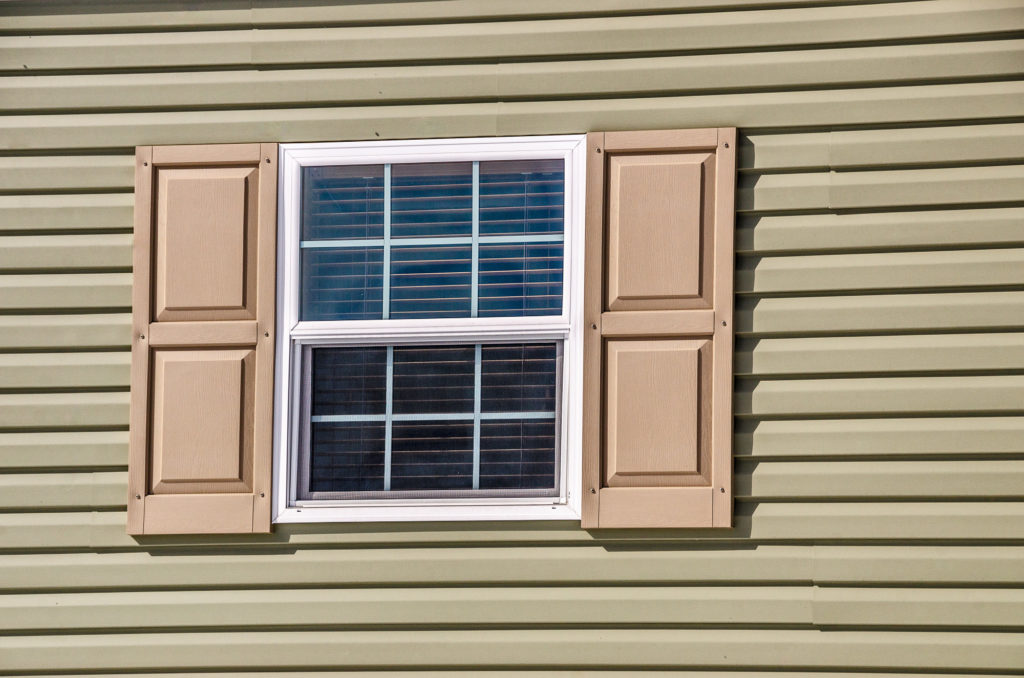
For a standard vinyl window, installation labor runs approximately $100 to $300 per window, which works out to roughly $40 per hour. If you are installing oversized or architecturally complex windows — such as bay windows, bow windows, or skylights — labor costs can climb as high as $1,200 per window due to the extra time, equipment, and skill required.
| Installation Type | Labor Cost Per Window |
|---|---|
| Standard retrofit install | $100 – $300 |
| Full-frame replacement | $200 – $500 |
| Oversized or specialty window | $400 – $1,200 |
| Second-story or hard-to-reach | $250 – $600 |
Cost for 3, 10, and Whole-Home Vinyl Window Replacement
Many homeowners replace windows in groups rather than one at a time, and most installers offer better per-window pricing on larger orders. Here is what to expect for common project sizes.
How Much Does It Cost for 3 Vinyl Replacement Windows?
Replacing three standard vinyl windows typically costs between $1,100 and $3,300 total, including materials and installation. This breaks down to roughly $800 to $2,400 for the windows and $300 to $900 for labor. A three-window project is one of the most popular starting points for homeowners who want to improve a single room or the front of the house.
How Much Does It Cost for 10 Vinyl Windows?
If you are replacing 10 vinyl windows, budget approximately $3,200 to $11,000 total. This includes about $2,400 to $8,000 for materials and $800 to $3,000 for installation. Many companies offer volume discounts at the 10-window mark, so be sure to ask about package pricing.
Can I Replace Windows on a $15,000 Budget?
Absolutely. A $15,000 budget can comfortably cover a full vinyl window replacement for most average-sized homes. The key is to choose windows within your price range, prioritize the rooms that need them most, and collect multiple quotes to ensure competitive pricing. As long as you plan carefully and work with a reputable installer, you can get beautiful, energy-efficient windows within this budget.
| Number of Windows | Estimated Total Cost |
|---|---|
| 1 window | $300 – $1,200 |
| 3 windows | $1,100 – $3,300 |
| 5 windows | $1,750 – $5,500 |
| 10 windows | $3,200 – $11,000 |
| 15 windows | $4,500 – $15,000 |
| 20 windows | $5,800 – $19,000 |
| Full home (25 windows) | $7,000 – $23,000 |
Hidden Costs to Watch For
The sticker price of vinyl windows does not always tell the whole story. Several additional expenses can increase your total project cost if you are not prepared for them.
Structural Repairs
If your installer discovers rot, water damage, or deteriorated framing around the window opening, those issues will need to be fixed before the new window goes in. Structural repair costs typically run $150 to $400 per window, depending on the extent of the damage.
Disposal and Removal Fees
Removing your old windows and disposing of them properly can add $50 to $200 per window. Some installers include this in their quote, while others charge it as a separate line item. Always confirm before signing a contract.
Trim and Finishing Work
After a new window is installed, you may need new interior or exterior trim to complete the look. Trim work adds $1 to $4 per linear foot, plus the cost of painting or staining if desired.
Permits and Inspections
Depending on your local building codes, window replacements may require a permit. Permit and inspection fees typically range from $50 to $200. Your installer should be able to tell you whether permits are needed in your area and may handle the application for you.
Upgraded Features
Add-ons like Low-E glass, decorative grilles, custom colors, built-in blinds, or enhanced soundproofing are common upgrades that add to the base price. While these features improve comfort and appearance, they should be factored into your budget from the start.
Signs It Is Time to Replace Your Vinyl Windows
On average, windows last around 20 years, so at some point most homeowners will face this decision. Here are the most common signals that your windows are due for replacement.
Difficulty Opening and Closing
Opening and closing your windows should be effortless. Old windows tend to develop balance problems or warping that prevents them from operating smoothly. If your windows stick, jam, or refuse to stay open, it is probably time for a replacement.
Rising Energy Bills
If your energy bills have been climbing for no obvious reason, your windows could be to blame. Drafty windows — particularly older single-pane models — allow conditioned air to escape and outdoor temperatures to creep in, forcing your HVAC system to work harder. This is one of the most common and costly consequences of aging windows.

Visible Damage
Cracks, chips, mold growth, or warped frames are clear indicators that your windows need attention. A small crack can quickly grow worse if left untreated, potentially leading to water infiltration and further structural problems. If you experience severe weather in your area, your windows are especially vulnerable to damage. Both your windows and your roof are among the most critical things to protect during a storm.
Condensation Between Panes
Interior or exterior condensation on your windows is usually harmless. However, moisture trapped between the glass panes means the window seals have failed. This reduces insulation, looks unsightly, and can cause damage to the window frame and surrounding wall over time.
Excessive Outside Noise
While no window is completely soundproof, you should not feel like traffic or neighborhood noise is intruding on your daily life. If outside sounds come through at a disruptive level, the insulating properties of your windows have likely deteriorated. Thicker glass and multi-pane upgrades can dramatically reduce noise transmission.
Outdated Appearance
Sometimes you simply need a visual refresh. If your windows look dated or detract from your home’s curb appeal, replacing them can transform the exterior. This is especially valuable if you are planning to sell — window replacement delivers one of the highest returns on investment of any home improvement project, with homeowners recouping 70% to 85% of the cost at resale.
→ Ready to replace your windows? Compare free quotes from top-rated local installersTypes of Vinyl Replacement Windows Explained
Each type of vinyl window serves a different purpose. Understanding the options will help you choose the best style for each room and stay within your budget.
Single Hung Vinyl Windows — $275 to $800
Single-hung windows are one of the most popular and budget-friendly options available. The upper panel is fixed while the lower panel slides up to allow ventilation. These windows are energy-efficient, easy to find in many sizes, and complement a wide range of architectural styles.
Double Hung Vinyl Windows — $400 to $1,500
Double-hung windows work similarly to single-hung windows except that both the top and bottom panels are operable. This allows ventilation from either section and makes cleaning much easier since many models tilt inward. They are an excellent choice for families with children and pets.
Sliding Vinyl Windows — $415 to $890
Sliding windows open horizontally along a track in the frame. They are simple to operate and provide wide, unobstructed views of the outdoors. Their clean sightlines make them a particularly good choice for smaller rooms, where they can make the space feel larger.
Casement Vinyl Windows — $415 to $890
Casement windows are hinged on one side and swing outward when opened using a crank handle. They provide excellent ventilation because the entire sash opens, and they seal tightly when closed, which makes them one of the most energy-efficient operable window styles.
Awning Windows — $225 to $480
Awning windows are hinged at the top and open outward from the bottom. Their design allows you to keep them open during light rain without water entering your home. They work especially well in combination with larger fixed windows.
Bay Windows — $240 to $800
Bay windows typically combine three windows — a fixed center pane flanked by two angled operable windows. They project outward from the wall, creating additional interior space and allowing light to enter from multiple angles. Bay windows are a popular choice for living rooms and master bedrooms.
Bow Windows — $400 to $900
Bow windows consist of four or more window panels that curve outward in a gentle arc. They create a dramatic visual effect and provide panoramic views. Many homeowners add a bench or reading nook in the space created by a bow window.
Picture Windows — $370 to $795
Picture windows are large, fixed windows with a single pane of glass and no operable sash. Because they have no moving parts, they are the most energy-efficient type and provide completely unobstructed views. They work best in rooms with a beautiful outdoor vista.
Skylight Windows — $900 to $3,000
Skylights are installed in the roof and flood interior rooms with natural light from above. They are ideal for rooms with limited wall space, such as bathrooms, hallways, and attic conversions. Installation is more complex than wall-mounted windows, which is why the cost is higher.
Garden Windows — $1,000 to $4,000
Garden windows extend outward from the wall like a small greenhouse. They are typically installed above kitchen sinks and are popular for growing herbs and small plants indoors. The protruding design lets in light from the top and sides.
Additional Vinyl Window Types
Several other window styles are also available in vinyl, including transom windows ($140 to $300), storm windows ($85 to $180), arched windows ($345 to $950), circle windows ($250 to $840), egress windows ($100 to $700), jalousie windows ($175 to $375), hopper windows ($170 to $645), and glass block windows ($400 to $1,100). Each serves a specific purpose — from emergency egress to decorative accent lighting — so choosing the right type depends on the room and the function you need.
If you are considering a broader home improvement project alongside your window replacement, check out our guides on kitchen remodeling and bathroom remodeling for additional planning resources.
How to Measure for Replacement Windows
Accurate measurements can save you significant money and headaches. While a professional installer will measure during the quoting process, taking your own measurements ahead of time helps you get more accurate estimates and prevents costly ordering mistakes if you plan to purchase windows yourself.

Here is how to measure your windows correctly:
- Identify the window shape. Note whether the window is rectangular, arched, circular, or another shape so you know what to order.
- Measure the width. Measure from the inside of the left jamb to the inside of the right jamb at three points: bottom, middle, and top. Record the smallest of the three measurements.
- Measure the height. Measure from the windowsill to the top of the window opening at three points: left, center, and right. Again, use the smallest measurement.
- Round down to the nearest one-eighth of an inch. This ensures the replacement window will fit into the existing opening.
These numbers will be used to order your replacement windows or to get more precise cost estimates from installers.
Choosing the Best Vinyl Windows for Your Home
With so many options on the market, selecting the right vinyl windows comes down to matching your priorities — budget, appearance, performance, and the specific needs of each room.
Set a Realistic Budget
Before you start shopping, decide how much you are willing to spend. A clear budget helps you narrow your choices and prevents scope creep. Leave a 10% to 15% buffer for unexpected issues that may come up during installation.
Choose the Right Frame Material
While this guide focuses on vinyl, it is worth knowing how vinyl compares to alternatives. Aluminum is typically the cheapest frame material but provides poor insulation. Wood offers a classic look but requires regular maintenance and is vulnerable to moisture damage. Fiberglass is the most durable and energy-efficient but also the most expensive. Vinyl strikes the best balance of price, performance, and ease of maintenance for most homeowners.
If you are unsure which frame material is right for your home, your window installer can provide professional advice tailored to your climate and architectural style.
Decide on a Project Scope
Are you replacing all of your windows at once or tackling the project room by room? Doing the entire home in one project is more cost-effective per window due to bulk pricing and reduced labor mobilization costs. However, a phased approach lets you spread the expense over time. Many homeowners start with the front-facing windows to improve curb appeal first.
Select the Right Glass
Your glass choice affects climate control, energy efficiency, privacy, and noise levels. Common options include single pane, double or triple pane, tempered glass, insulating glass, privacy glass, laminated glass, impact-resistant glass, and float glass. For most homes, double-pane glass with Low-E coating provides the best value. Ask your installer to recommend the best glass type for your specific climate and needs.
Match the Window Type to Each Room
Think about what each room needs. Bathrooms benefit from hopper or awning windows for ventilation and privacy. Kitchens pair well with garden windows or casement windows for fresh air while cooking. Living rooms and bedrooms look great with double-hung, bay, or picture windows. When in doubt, single-hung and double-hung windows are the most versatile all-around choice.
Financing and Budget Options for Vinyl Window Replacement
If the upfront cost of a full window replacement feels overwhelming, there are several ways to finance the project and spread out payments.
Most window replacement companies offer financing plans with monthly payments, and many run promotional offers with deferred interest or low-interest rates. Be sure to ask about financing options when you request your quote.
Beyond installer-provided financing, other common ways to fund a window replacement include: cash savings, credit cards (particularly those with 0% introductory APR offers), personal loans, home equity loans, home equity lines of credit (HELOC), and mortgage refinancing. If you are not sure which option is the best fit, a financial advisor can help you weigh the pros and cons.
Tips to Save on Vinyl Window Replacement
You do not need to sacrifice quality to stay within budget. Here are proven strategies to reduce your vinyl window costs without cutting corners.
Compare Multiple Quotes
Getting at least three quotes from different installers is the single most effective way to avoid overpaying. Prices for the same project can vary by thousands of dollars between companies. Comparing quotes helps you identify competitive pricing and spot any outliers.
Buy in Bulk
If you need to replace multiple windows, purchasing them all in one order can unlock volume discounts from both the manufacturer and the installer. Replacing 10 or more windows at once often brings the per-window cost down by 10% to 20%.
Schedule During the Off-Season
Window replacement demand peaks in spring and summer. Scheduling your installation during the fall or winter — when demand is lower — can lead to better pricing and faster project timelines.
Choose Standard Sizes
Whenever possible, select windows that come in standard prefabricated sizes. Custom-sized windows cost 20% to 40% more and often have longer lead times.
Look for Rebates and Incentives
Federal tax credits, state energy programs, and utility company rebates can put real money back in your pocket. ENERGY STAR-qualified windows are the most likely to qualify for these incentives.
Is It Worth the Investment?
Vinyl window replacement is one of the most valuable home improvements you can make — and the benefits go well beyond aesthetics.
Energy Savings
Modern vinyl windows with double- or triple-pane glass and Low-E coatings are dramatically more energy-efficient than older single-pane windows. Homeowners commonly see noticeable reductions in heating and cooling bills, with some regions reporting annual energy savings of up to 30% after upgrading. Over the 20- to 30-year lifespan of quality vinyl windows, those savings add up substantially.
Increased Home Value
According to industry data, vinyl window replacement typically recoups 70% to 85% of its cost through increased home value at resale. New windows boost curb appeal, improve energy performance ratings, and signal to buyers that the home has been well-maintained — all factors that can make your home sell faster and for a higher price.
Improved Comfort and Lower Maintenance
New vinyl windows eliminate drafts, reduce temperature fluctuations between rooms, and lower outside noise levels. Unlike wood frames, vinyl requires virtually no maintenance — no painting, staining, or sealing. This saves you time and money on upkeep for decades to come.
Safety and Security
Modern vinyl windows feature stronger locks, more durable glass options, and better sealing than older windows. Properly functioning windows are also essential for emergency egress, which is a critical safety feature in bedrooms and basements.
Related Resources
→ Complete Guide to Replacement Windows → Roof Replacement Costs and Guide → Kitchen Remodel Cost Guide → Bathroom Remodeling Cost GuideFrequently Asked Questions About Vinyl Window Costs
Most homeowners pay between $300 and $1,200 per vinyl window including professional installation. The national average for a standard double-hung vinyl window is approximately $450 to $800 installed. Costs vary based on window type, size, glass options, and your location.
Storm windows ($85 to $180) and single-hung windows ($275 to $800) are typically the most affordable vinyl window options. If you need the lowest possible cost while still getting a full replacement window, standard single-hung vinyl in a prefabricated size will be the most budget-friendly choice.
Quality vinyl windows typically last 20 to 30 years with minimal maintenance. High-end models from reputable manufacturers may last even longer. The lifespan depends on the quality of the vinyl, the installation, your climate, and how well the windows are cared for.
Vinyl windows offer the best overall value for most homeowners. They cost less than wood and fiberglass, provide better insulation than aluminum, and require virtually no maintenance. Wood windows offer a traditional aesthetic but need regular upkeep. Aluminum is the cheapest option but offers the least energy efficiency. Fiberglass is the most durable but also the most expensive.
While DIY installation eliminates labor costs (saving $100 to $500 per window), it is generally not recommended. Improper installation can void the manufacturer’s warranty, cause air and moisture leaks, drive up energy bills, and potentially lead to mold growth. Professional installation ensures a proper seal and protects your investment long-term.
Yes. Vinyl window replacement typically recoups 70% to 85% of the project cost through increased home value at resale. New windows improve curb appeal, energy efficiency, and overall buyer confidence in the condition of the home.
Fall and winter are typically the best times to replace windows if you want to save money, as demand is lower and installers may offer off-season pricing. However, spring and summer provide more comfortable installation conditions. The right time depends on your priorities — cost savings versus scheduling convenience.
Yes, most window replacement companies offer financing options including monthly payment plans and promotional interest rates. Additional financing options include personal loans, home equity loans, home equity lines of credit (HELOC), credit cards, and mortgage refinancing. Ask about available financing when you request your quote.
Yes. ENERGY STAR-certified windows may qualify for federal tax credits of up to $600. Many states and utility companies also offer additional rebates for energy-efficient home improvements. Check with your local utility provider and the ENERGY STAR website for current incentive programs in your area.
Let Us Help You Find the Best Replacement Windows Today
Replacing your windows is one of the most impactful upgrades you can make to your home — improving energy efficiency, comfort, curb appeal, and resale value all at once. With the right information and the right installer, the process is straightforward and well worth the investment.

The experts at Kwote Advisor are here to help you find the best option for your vinyl replacement windows. We connect you with top-rated local installers so you can compare quotes, ask questions, and choose the right windows for your home with confidence. Visit our replacement windows guide for more resources.