
How Much Does a 20′ Shipping Container Cost?
2026 Buying and Rental Price Guide — Compare New, Used, and Rental Options
A 20′ shipping container costs between $1,200 and $5,000 to buy in 2026, depending on condition. Used containers range from $1,200 to $3,300, while new one-trip containers cost $2,500 to $5,000. Renting starts at $50 to $500 per month. Delivery adds $300 to $2,500 based on your distance from the nearest depot.
20′ Shipping Container Cost Overview
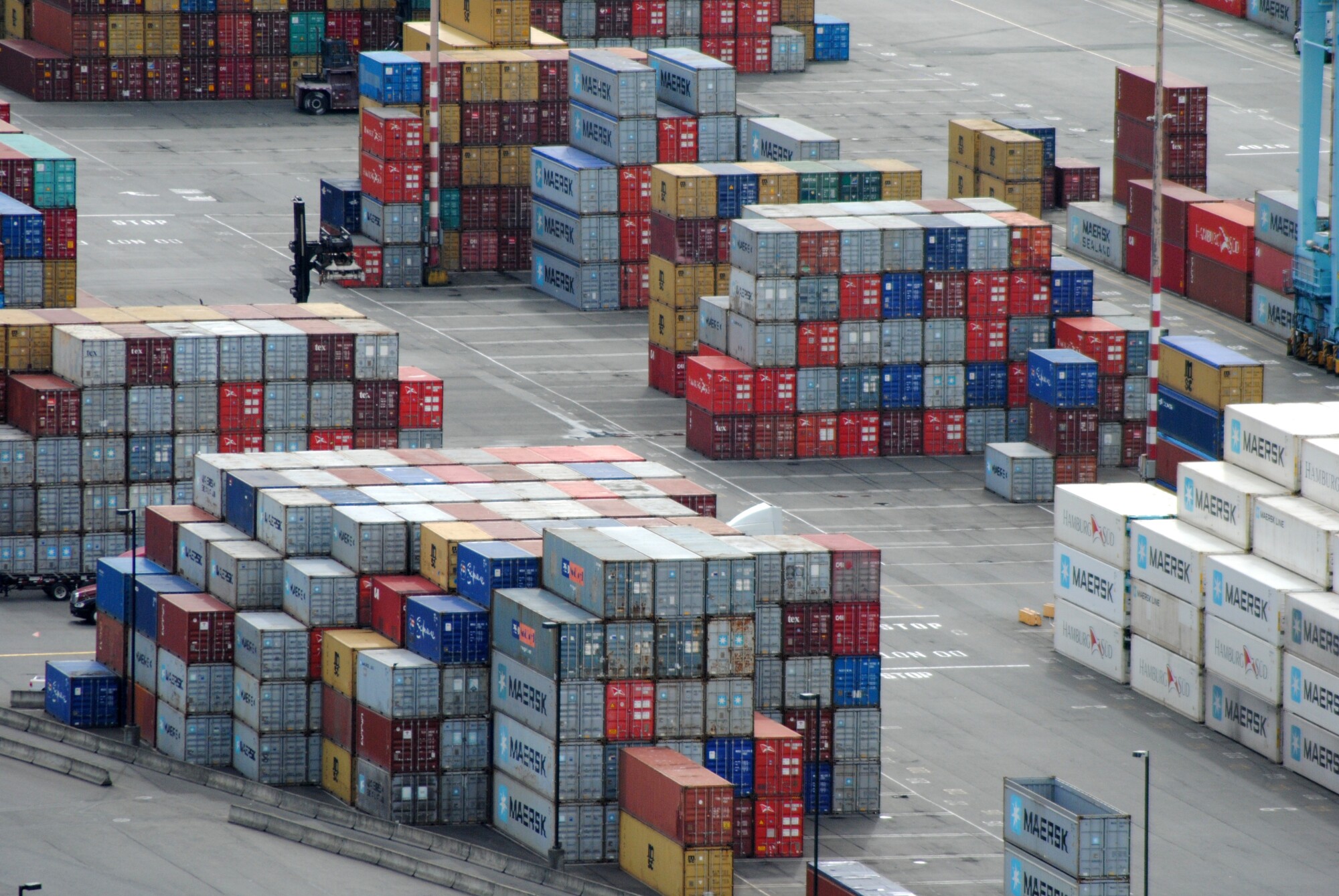
Currently, there are over 17 million shipping containers in the world that are in use, but only about five million are actively being used for shipping. The rest have been repurposed for storage, converted into offices, turned into homes, and put to use in dozens of other creative applications.
The 20-foot shipping container is the industry’s standard unit of measurement, known as one TEU (Twenty-foot Equivalent Unit). It’s the most widely purchased container size in the United States because it strikes the ideal balance between affordability, versatility, and a compact footprint that fits almost any residential, commercial, or agricultural property.
Whether you’re looking for secure backyard storage, planning a workshop conversion, launching a retail pop-up, or need reliable job-site tool lockup, understanding the true cost of a 20′ shipping container — including delivery, taxes, and potential modifications — is essential to making a smart investment.
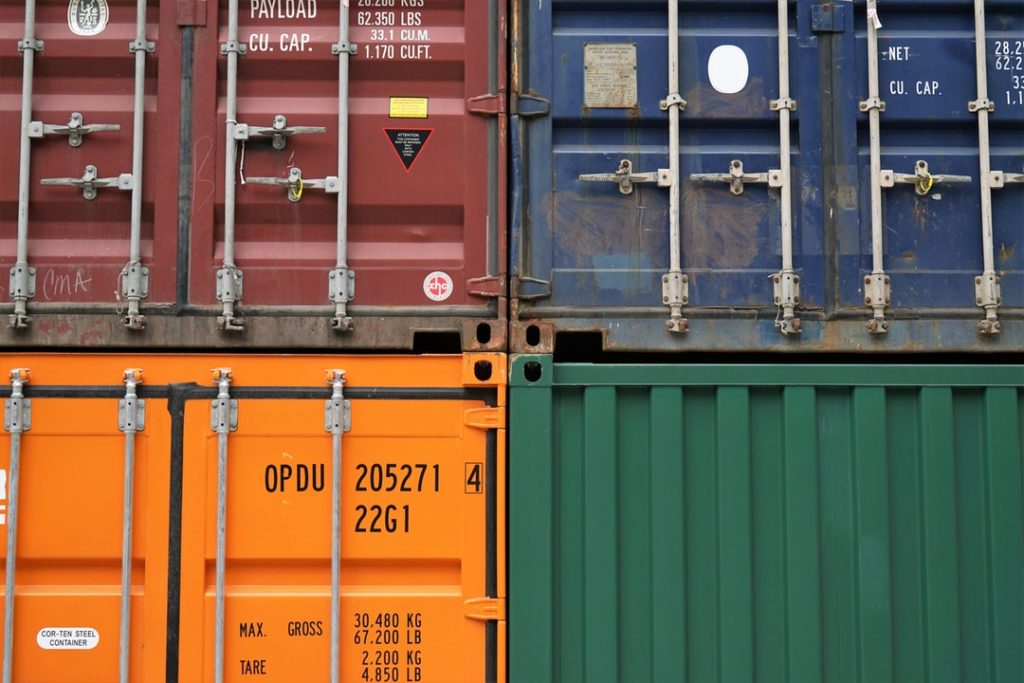
Finding and handling 20-foot shipping containers for industrial, commercial, or residential purposes can be a complicated exercise. You will need to do some serious due diligence to make sure you can accurately assess the costs and the benefits.
Whether you own a business or want to invest in trade, shipping containers can prove useful. Unfortunately, the cost isn’t quite as simple as a single sticker price. There’s the upfront cost, but you also need to consider shipping, taxes, condition grading, and your geographic location to find the total cost.
Fortunately, you’re in the right place. This guide will outline every cost involved with 20′ shipping containers so that you’re ready to invest.
Get Free 20′ Container Quotes
Compare pricing from vetted container suppliers in your area. No obligation.
Compare Quotes2026 Price Comparison: 20′ Shipping Container Cost by Condition
The cost of a 20′ shipping container varies significantly based on condition. Here’s how pricing breaks down across every major condition grade in 2026:
| Condition | Price Range | Best For |
|---|---|---|
| New (One-Trip) | $2,500 – $5,000 | Long-term storage, container homes, offices |
| Refurbished | $2,000 – $3,300 | Retail pop-ups, visible property use |
| Cargo Worthy (CW) | $1,500 – $2,800 | Export shipping, heavy-duty storage |
| Wind & Watertight (WWT) | $1,200 – $2,000 | On-site storage, budget purchases |
| As-Is | $800 – $1,400 | Non-weather-sensitive storage only |
| Refrigerated (New) | $5,500 – $7,000+ | Cold storage, perishable goods |
| Insulated (New) | $4,000 – $6,500 | Temperature-sensitive items |
| Monthly Rental | $50 – $500/mo | Short-term projects, trial use |
Prices are typically lower near major ports and logistics hubs. If you’re in a landlocked area, expect to pay more due to higher transportation costs to get the container to your location.
New 20′ Shipping Container Cost
It’s important to understand that even a brand new shipping container will have been used at least one time. Containers are typically manufactured overseas (predominantly in China) and must be shipped across the ocean to reach you. That’s why new containers in the U.S. are referred to as “one-trip” containers.

While a single-use container should be in pretty good shape, it could have been exposed to harsh conditions during its voyage. The weather and sea water could have done some cosmetic damage, so it’s important that you inspect the container for any flaws upon delivery.
A standard new 20′ dry shipping container costs between $2,500 and $5,000 in 2026. This doesn’t include any add-ons, delivery, or modifications. The price for new containers varies based on features included:
Refrigerated vs. Insulated 20′ Containers
If you need a container that is refrigerated, you can expect to pay between $5,500 and $7,000 for a new one. If you only need it insulated (without active cooling), then the price drops and you’ll likely pay less than $6,500.
You can purchase a standard container and insulate it yourself, but you’ll end up paying about the same amount. The pre-insulated option will save you significant time and energy.
Long-term value: Shipping containers have a lifespan of 25 years or more when properly maintained. A new container is a great investment for long-term use like building a home, workshop, or office. You won’t have to worry about what items have been stored in it or what repairs it’s had. It’s also much easier to verify the history of a one-trip container compared to a used unit.
2026 Market Update: Tariffs & Pricing Trends
China continues to be the largest supplier of shipping containers globally. Tariffs imposed on goods from China could push new container prices up by 20–30%, which may have a lasting effect on production and demand. However, now that a tariff schedule with China is more or less established, the market price for new shipping containers has stabilized and supply remains strong heading into mid-2026.
Before purchasing any container, be sure to inspect the whole thing. Even the slightest bit of damage can be used to negotiate a lower price.
Cost to Buy a Used 20′ Shipping Container
A used shipping container can still be sturdy and durable even if it’s been used for 10 to 15 years. Used containers were typically in ocean service for 8–22 years before being decommissioned and sold domestically. Keep in mind it will have more wear and tear, and you probably won’t be able to find out every trip it took.
If it’s important for you to know the full history of what the container held, you should opt for a new one. A standard used 20′ shipping container has an average cost of around $2,400, but it could range from $1,200 to $3,300 depending on condition grade.
Understanding Container Condition Grades
When shopping for used containers, you’ll encounter several condition grades that directly affect pricing:
Cargo Worthy (CW) containers have been inspected by a licensed maritime surveyor and certified structurally sound for international ocean shipping. They may have cosmetic wear like dents, surface rust, and original shipping line markings, but they meet strict structural standards. Expect to pay $1,500 to $2,800 for a cargo-worthy 20′ container.
Wind & Watertight (WWT) containers are sealed against wind and water but may not meet the certification requirements for international shipping. They’re ideal for on-site storage and represent the best value for buyers who need basic weather protection without caring about appearance. Prices range from $1,200 to $2,000.
As-Is containers may have dents, significant rust, or even holes. They are only suitable for storing items that are not affected by water or wind. These are the cheapest option, starting around $800, but buyers should inspect thoroughly before purchasing.
Some suppliers sell WWT containers labeled as “cargo-worthy” at suspiciously low prices. Always ask for CSC (Convention for Safe Containers) certification documentation. A true cargo-worthy 20′ container costs more because it meets stricter structural standards.
Cost to Rent a 20′ Shipping Container
Purchasing a shipping container is great if you’re planning on using it for a long time. However, if you only need it for a few months, then renting might be a better option.
If you want to invest in a container but aren’t sure it’s exactly what you need, renting can serve as a trial run to help you decide if you want one permanently. The monthly rental cost for a standard 20′ container ranges from $50 to $500 per month, depending on the type, condition, and your location.
Standard dry containers in good condition typically rent for $75 to $200 per month, while refrigerated units and specialty containers will cost significantly more on a monthly basis.
Looking for the Best Rental Rates?
We connect you with vetted container providers offering competitive purchase and rental options.
Compare Container QuotesBuy vs. Rent: Which Is Right for You?
One of the biggest decisions when getting a 20′ shipping container is whether to buy or rent. Here’s how to decide:
Consider buying if: you need the container for more than a year, you plan to modify or customize it, you want to build equity in an asset, or you need it for a permanent structure like a home or office.
Consider renting if: you need it for less than a year, you’re testing whether a container works for your needs, you want to avoid large upfront costs, or you need a specialty container (like refrigerated) only temporarily.
20′ Shipping Container Dimensions & Capacity
Understanding the exact dimensions of a 20′ shipping container is critical for planning what you’ll store, how it fits on your property, and whether it meets your project requirements.
External vs. Internal Dimensions
The difference between exterior and interior dimensions matters more than you might think. The corrugated steel walls reduce the usable space by roughly 4 inches on each side, and the marine-grade plywood floor over steel crossmembers reduces interior height by about 2 inches.
| Measurement | External | Internal |
|---|---|---|
| Length | 19 ft 10½ in (6.06 m) | 19 ft 4 in (5.9 m) |
| Width | 8 ft (2.44 m) | 7 ft 8½ in (2.35 m) |
| Height | 8 ft 6 in (2.59 m) | 7 ft 10 in (2.39 m) |
| Door Opening | 7 ft 8 in wide × 7 ft 5¾ in tall | |
| Tare Weight | ~4,850 lbs (2,200 kg) | |
What Fits Inside a 20′ Container?
With about 150 square feet of floor space and nearly 1,170 cubic feet of volume, a 20′ container holds significantly more than most people expect. When it comes to space inside, you should be able to fit roughly the contents of a three-bedroom house into it — including boxes, TVs, and furniture.
The key constraint is the 7’6″ wide door opening — everything needs to fit through that space. A standard 20′ container can hold approximately 10 standard pallets (48″ × 40″) loaded single-deep in a single layer. The maximum payload capacity is around 55,000 pounds.

When you’re calculating how much space you have in your container, it’s important to consider the difference between the internal and external dimensions. Not accounting for wall thickness and floor height could leave you with leftover products that don’t fit, or you might overestimate what you can ship.
20′ Shipping Container Delivery Cost
Delivery is one of the most significant add-on costs when purchasing a 20′ shipping container, and it varies widely based on your location:
| Delivery Distance | Estimated Cost |
|---|---|
| Local (under 50 miles) | $300 – $800 |
| Regional (50–200 miles) | $800 – $1,500 |
| Long-distance (200+ miles) | $1,500 – $2,500+ |
| International (China to U.S.) | $10,000 – $15,000+ |
If you live near a large port, you’ll pay significantly less than someone in a landlocked area. The distance your container is traveling makes a big difference, as does the weight of the cargo inside.
Delivery Methods
Most domestic deliveries use one of two truck types:
Tilt-bed trucks are ideal for easy offloading without requiring any on-site equipment. They need about 65 feet of straight clearance, 12 feet of width, and 16 feet of vertical clearance.
Flatbed trucks are best if you have on-site equipment like a forklift for unloading. They require similar clearance to tilt-bed trucks plus side access for unloading. You’ll need a forklift rated for at least 10,000 lbs to remove the container.
Some suppliers offer tilt-bed trucks that can hold two 20′ containers on a single load. If you’re ordering multiple units, ask about dual delivery to cut your per-container shipping cost significantly.
Add-Ons & Modification Costs
Standard shipping containers don’t come with any add-ons. Anything extra that you decide to put on or in your container will cost more. Here are common modifications and their approximate costs:
| Modification | Estimated Cost |
|---|---|
| Extra locks & lockbox | $75 – $300 |
| Security cameras | $200 – $1,000 |
| Ventilation | $100 – $500 |
| Roll-up door installation | $1,000 – $2,500 |
| Windows & personnel doors | $500 – $2,000 each |
| Interior insulation | $1,500 – $4,000 |
| Electrical wiring | $600 – $2,300 |
| Plumbing | $1,500 – $5,000+ |
| New flooring | $3 – $22 per sq ft |
| Exterior paint | $300 – $1,000 |
| Full office conversion | $10,000 – $35,000+ |
| Full home conversion | $25,000 – $50,000+ |
If you plan on working in the 20′ shipping container, you’ll want to add plumbing and electricity, which can be costly. You’ll need to get the right permits and request a quote from a professional. Adding doors and windows is also a significant project but worth it if you plan on using the container regularly and not just for storage.
Even if you decide you don’t need any add-ons, you’ll still need to consider taxes and delivery fees in your budget. Also keep an eye on the current market — if supply is low and demand is high, you’ll pay more across the board.
What Affects 20′ Shipping Container Pricing?
Several key factors determine the final price you’ll pay for a 20′ shipping container:
Condition grade is by far the largest price variable. The spread between an as-is container at $800 and a new one-trip unit at $5,000 is substantial. Dents, corrosion, and the state of seals and flooring all factor into the grading.
Geographic location plays a major role. Containers located near ports or major logistics hubs tend to be less expensive due to lower transportation costs. Prices increase for locations further from these hubs due to added shipping and handling fees.
Supply and demand cycles cause pricing fluctuations. The container market has stabilized compared to the wild swings of the pandemic years, but availability and pricing still shift based on global trade volume, seasonal demand, and inventory levels at local depots.
Steel prices directly affect new container manufacturing costs. Because China is the dominant container manufacturer, tariffs on Chinese goods could push new container prices up by 20–30%, making used containers comparatively more attractive.
Customizations can dramatically increase total cost. A basic container might cost $2,000, but a fully modified office or living space conversion can reach $50,000 or more.
Permits and zoning add another layer of cost. Every town, county, and state sets its own rules and permit fees for hosting a shipping container on your property. Generally, high-traffic and residential areas have stricter requirements than rural areas.
Money-Saving Tips When Buying a 20′ Container
Buy near a port or depot. The closer you are to the supply source, the less you’ll pay for the container itself and for delivery. If you can pick up the container yourself, you’ll save even more.
Consider WWT over cargo-worthy. If you only need the container for on-site storage and don’t plan to ship it internationally, a wind & watertight container provides everything you need at a significantly lower price than cargo-worthy.
Negotiate on cosmetic damage. Dents, surface rust, and old shipping line markings don’t affect structural integrity but can be used to negotiate a lower price. Inspect thoroughly and point out any flaws.
Order multiple containers at once. For large-scale projects or bulk orders, many suppliers offer competitive volume discounts. You may also save on delivery by having multiple containers delivered on a single trip.
Compare multiple quotes. Prices can vary significantly between suppliers, even in the same geographic area. Getting at least three quotes ensures you’re paying a fair market rate.
Time your purchase wisely. Container prices can be lower during off-peak shipping seasons (typically late fall and winter) when demand decreases. Industry experts project relatively stable used container pricing through mid-2026.
Ready to Compare 20′ Container Prices?
Get free quotes from multiple vetted suppliers. We’ve helped hundreds of consumers find the best deals on shipping containers.
Compare Quotes NowInternational Shipping Cost for a 20′ Container
If you’ve purchased your container to ship products overseas rather than use it as on-site storage, you’ll need to understand how international freight costs are calculated.
There are many factors that contribute to the total cost to ship your container internationally. The first is the pickup and drop-off location. Popular shipping routes between major ports cost less than uncommon routes. The distance your container is traveling and its loaded weight also make a big difference.
Shipping a 20′ container from China to the U.S. West Coast will cost less than shipping to the East Coast. Prices fluctuate based on the season, fuel costs, and overall demand. During peak shipping seasons, rates can increase substantially.
A freight ship can only hold so much weight, and if your container is heavier, they won’t be able to hold as many containers, making your bill higher. Always calculate the total landed cost including port fees, customs charges, and ground transportation to your final destination.
Frequently Asked Questions About 20′ Shipping Container Cost
A new (one-trip) 20′ shipping container costs between $2,500 and $5,000 in 2026. Standard dry containers start around $2,500, while refrigerated or insulated models range from $4,000 to $7,000 or more. Prices vary by location, with buyers near major ports typically paying less than those in landlocked states.
A used 20′ shipping container costs between $1,200 and $3,300 depending on condition grade. Wind & watertight (WWT) units start around $1,200, cargo-worthy containers range from $1,500 to $2,800, and refurbished units fall between $2,000 and $3,300. As-is containers can be found for as little as $800 but may have significant cosmetic or structural issues.
Renting a 20′ shipping container costs between $50 and $500 per month depending on the container type, condition, and your location. Standard dry containers in good condition typically rent for $75 to $200 per month. Refrigerated units cost significantly more. Renting is ideal for short-term needs under 12 months.
A standard 20′ shipping container measures 20′ long × 8′ wide × 8’6″ tall externally. Internal dimensions are approximately 19’4″ long × 7’8″ wide × 7’10” tall, providing about 150 square feet of floor space and 1,170 cubic feet of total volume. The door opening measures approximately 7’8″ wide × 7’5¾” tall.
Buy if you need the container for more than 12 months — that’s approximately the break-even point where purchasing becomes more cost-effective than renting. Rent if you need short-term storage, want to test whether a container suits your needs, or prefer to avoid the upfront capital expense. Renting is also smart for specialty containers like refrigerated units that you only need temporarily.
A well-maintained 20′ shipping container can last 25 years or longer. Even used containers that have already served 10–15 years in ocean shipping can provide another 10–15 years of reliable on-site storage with basic maintenance like occasional painting, rust treatment, and ensuring proper ventilation.
A 20′ container holds roughly the contents of a three-bedroom house, including furniture, appliances, and boxes. It can accommodate approximately 10 standard pallets in a single layer. The maximum payload capacity is about 55,000 pounds. The key constraint is the 7’6″ wide door opening — everything must fit through those doors.
Delivery costs range from $300 to $2,500+ depending on distance from the nearest depot. Local deliveries within 50 miles typically cost $300 to $800, while long-distance deliveries across several states can exceed $2,000. Buyers near major ports pay less. Some suppliers offer dual-container delivery on a single truck to reduce per-unit costs.
Yes, containers rated wind & watertight (WWT) or better are sealed against weather. Shipping containers are built from Corten steel (corrosion-resistant steel) to ISO standards, with marine-grade plywood floors and heavy-duty rubber door seals. Even used containers provide excellent weather protection as long as they maintain their WWT rating.
Permit requirements vary by location. Every town, county, and state sets its own rules and fees for hosting a shipping container on your property. Generally, high-traffic and residential areas have stricter zoning and permit requirements than rural areas. Check with your local planning or zoning department before purchasing.
Get a 20′ Shipping Container Quote
When it comes to shipping containers, pricing can vary greatly due to size, condition, and applicability to your job. Knowing the average cost of shipping containers can help you determine if you’re getting a fair deal.
You’ll want to choose a container based on your needs and your intended use. Be sure to consider every factor — condition, delivery distance, add-ons, permits, and future maintenance — before purchasing or renting a 20′ shipping container.
Are you looking to purchase a shipping container for your business or personal use? If so, start browsing here. We’ve helped hundreds of consumers with their shipping container needs, and we can help you too.
Compare 20′ Shipping Container Quotes
Get matched with vetted suppliers. Free quotes, no obligation.
Compare Quotes