
How Much Does a 40′ Shipping Container Cost in 2026?
New 40-foot containers cost $3,500–$6,500. Used containers run $1,800–$3,500. Rentals start at $120/month. Here’s everything you need to know before you buy or rent.
Compare Free QuotesThe 40-foot shipping container is the most popular size for businesses and homeowners who need serious storage capacity. With roughly 320 square feet of floor space—double the 20-foot container—the 40′ unit delivers significantly better value per square foot. You’re getting twice the space for only 25–40% more money, making it the smarter purchase whenever your site can handle the larger footprint.
In this guide, we’ll break down every cost associated with 40-foot shipping containers in 2026, including new and used purchase prices, monthly rental rates, delivery fees, and the key factors that influence what you’ll actually pay.
How Much Does It Cost to Buy a New 40′ Shipping Container?
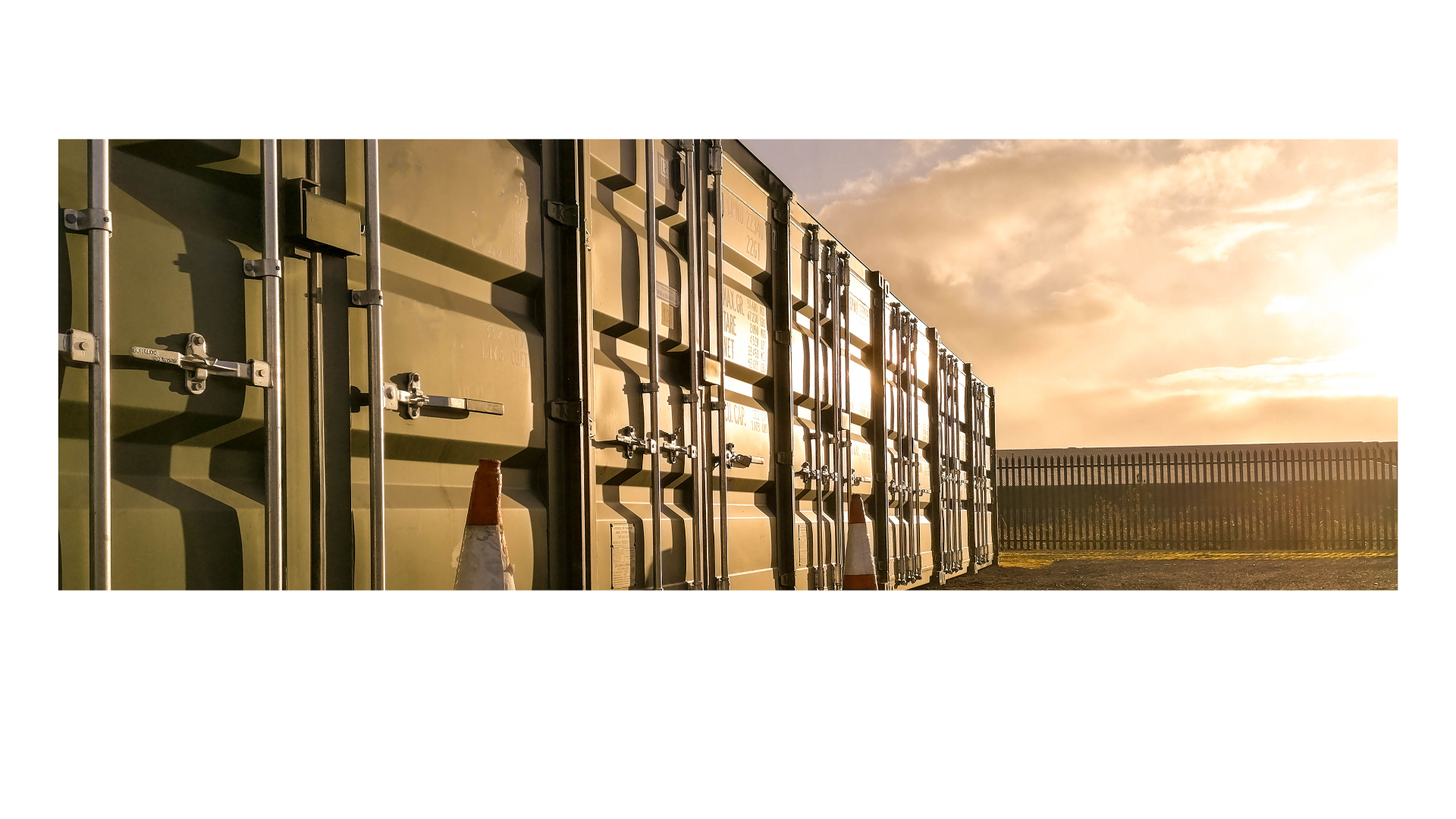
A brand-new (one-trip) 40-foot standard shipping container costs between $3,500 and $6,500 in 2026. New containers have only made a single voyage from the manufacturer—typically in China—to a U.S. port, meaning they arrive in virtually pristine condition with no dents, rust, or structural wear.
If you need refrigeration capabilities, a 40-foot reefer container starts around $8,000 to $12,000+ depending on the age of the refrigeration unit and your supplier.
| Container Type | Condition | Price Range (2026) |
|---|---|---|
| 40′ Standard | New (One-Trip) | $3,500 – $6,500 |
| 40′ High Cube | New (One-Trip) | $4,000 – $7,000 |
| 40′ Standard | Used – Cargo Worthy | $2,200 – $3,500 |
| 40′ Standard | Used – Wind & Watertight | $1,800 – $2,800 |
| 40′ High Cube | Used – Cargo Worthy | $2,500 – $3,800 |
| 40′ High Cube | Used – Wind & Watertight | $2,200 – $3,200 |
| 40′ Reefer | Used | $5,000 – $10,000+ |
| 40′ Reefer | New | $8,000 – $12,000+ |
Tariffs on goods from China could push new container prices higher by 20–30%, since China manufactures the majority of the world’s shipping containers. However, the supply of used containers in the U.S. remains strong heading into mid-2026, which should keep used pricing relatively stable.
How Much Does It Cost to Buy a Used 40′ Shipping Container?
A used 40-foot shipping container is the most budget-friendly option, costing between $1,800 and $3,500 depending on condition and your location. Used containers are graded by their structural integrity:
Container Condition Grades
Cargo Worthy (CW): These containers have been inspected and certified for international ocean shipping. They may show some cosmetic wear—minor dents, surface rust, patched areas—but remain structurally sound and fully sealed. Expect to pay $2,200–$3,500 for a 40-foot CW unit.
Wind & Watertight (WWT): These containers are sealed against weather but have not been certified for ocean export. They are perfectly suitable for on-site storage, which is what most buyers need. Prices range from $1,800 to $2,800.
As-Is: These containers may have holes, damaged doors, or significant rust. They are the cheapest option at $1,000–$1,800 but require inspection and potentially significant repair. Many reputable suppliers don’t sell as-is containers.
For most storage needs, a used WWT container at $1,800–$2,800 offers the best balance of price and quality. You’ll get a fully sealed, weather-resistant unit at roughly half the cost of a new container.
40′ Standard vs. High Cube: Is the Extra Height Worth It?
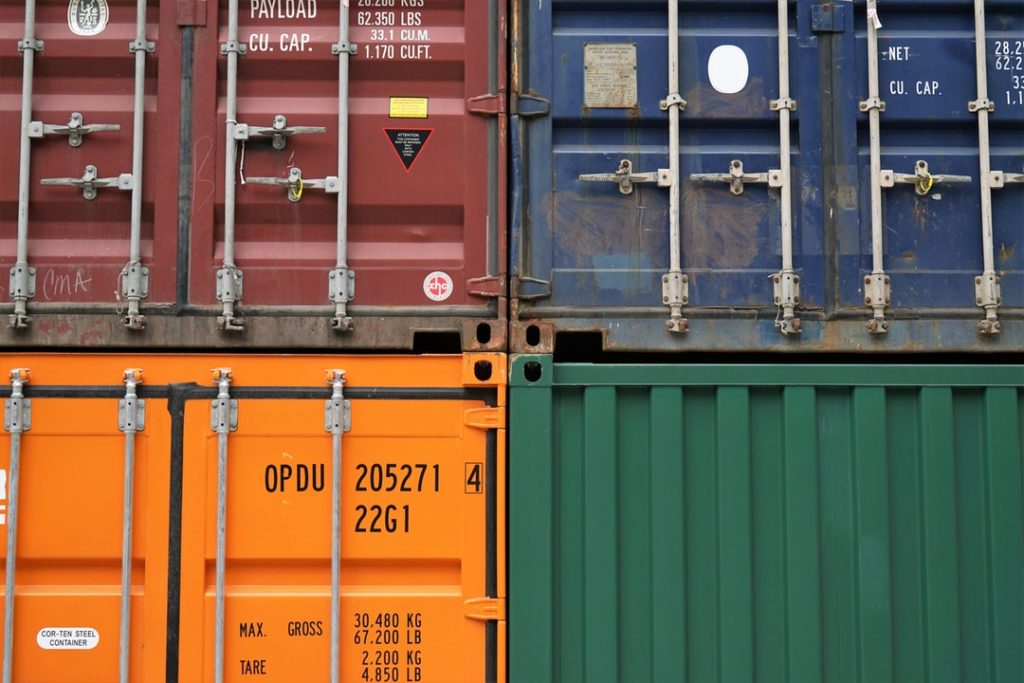
The 40-foot high cube container adds one full foot of interior height compared to the standard version—8’10” versus 7’10”. That single extra foot provides roughly 15% more interior volume (about 350 additional cubic feet) without increasing the ground footprint at all.
The price premium for a high cube runs 10–20% over a standard container. For new one-trip units, that premium is typically 15–25%. For used WWT containers, the difference narrows to 10–15%—sometimes as little as $200–$400.
| Feature | 40′ Standard | 40′ High Cube |
|---|---|---|
| Exterior Height | 8′ 6″ | 9′ 6″ |
| Interior Height | 7′ 10″ | 8′ 10″ |
| Cubic Feet | ~2,350 cu ft | ~2,700 cu ft |
| Used Price Range | $1,800 – $3,500 | $2,200 – $3,800 |
| New Price Range | $3,500 – $6,500 | $4,000 – $7,000 |
| Best For | General storage, pallets | Offices, homes, workshops, tall items |
For any application involving people—offices, workshops, retail spaces, or homes—the high cube is almost always worth the extra cost. The additional headroom transforms a cramped space into a functional one. At the used WWT level, you may only pay $200–$400 more for the upgrade.
How Much Does It Cost to Rent a 40′ Shipping Container?
Renting a 40-foot shipping container costs between $120 and $300 per month in 2026, with the national average hovering around $150–$200 per month. Several factors influence your monthly rate:
| Rental Duration | Estimated Monthly Cost | Notes |
|---|---|---|
| 1–3 months | $175 – $300 | Short-term premium applies |
| 3–6 months | $150 – $250 | Moderate discount |
| 6–12 months | $130 – $200 | Standard long-term rate |
| 12+ months | $120 – $175 | Best rates; consider buying |
Keep in mind that delivery and pickup fees are typically charged separately, usually $150–$500 each way depending on distance. Some suppliers also require a refundable deposit of $50–$200.
Lease-to-Own Option
Many suppliers offer rent-to-own arrangements where your monthly payments apply toward the purchase price over a 2–3 year term. This is a strong option if you know you’ll need the container long-term but don’t want the full upfront cost. Monthly payments are generally comparable to standard rental rates.
Should You Rent or Buy a 40′ Shipping Container?
The decision depends on how long you’ll need the container. Here’s the straightforward math:
A 40-foot container renting at $200 per month costs $2,400 over 12 months—which is enough to purchase a used WWT container outright. If you need the container beyond one year, buying almost always makes more financial sense.
| Duration Needed | Recommendation | Why |
|---|---|---|
| Under 6 months | Rent | Lower total cost, no long-term commitment |
| 6–12 months | Either | Close to break-even; consider rent-to-own |
| Over 12 months | Buy | Rental cost exceeds purchase price; you build equity |
Additionally, when you own a container you can customize it freely—add shelving, install roll-up doors, paint it with your branding, or even resell it later. Rented containers typically cannot be modified, and any changes may incur damage charges.
How Much Does 40′ Container Delivery Cost?
Delivery is one of the biggest hidden costs when buying a shipping container. For a 40-foot unit, expect to pay between $300 and $2,500+ depending on distance and delivery method:
| Distance | Estimated Delivery Cost |
|---|---|
| Local (under 50 miles) | $300 – $800 |
| Regional (50–200 miles) | $600 – $1,500 |
| Long-distance (200+ miles) | $1,000 – $2,500+ |
Delivery Methods
Tilt-bed truck: The driver backs the truck into position, tilts the bed, and slides the container off onto the ground. This is the most common and convenient method because it doesn’t require any equipment on your end. You’ll need about 125 feet of straight clearance, 12 feet of width, and 16 feet of vertical clearance.
Flatbed truck: Requires you to have a forklift (minimum 15,000 lb capacity) or crane on-site to lift the container off the truck. Needs 125 feet of straight clearance, 12 feet of width, and 14 feet of vertical clearance.
Ensure your delivery site has clear, unobstructed truck access. Check for overhead obstacles like trees and power lines. The ground should be flat, level, and solid—not soft or muddy. No foundation is required for ground-level storage, but a compacted gravel pad is recommended for long-term placement.

Factors That Affect 40′ Shipping Container Prices
Location & Proximity to Ports
Geography is one of the single biggest factors in container pricing. Buyers near major port cities—such as Los Angeles, Houston, Savannah, or Newark—consistently pay less because containers are abundant at these hubs. Landlocked regions face higher prices due to increased transportation costs getting the container to your area. The price difference can be $500–$1,500 or more depending on how far you are from a depot.
Supply and Demand
Container prices fluctuate based on global trade patterns. When trade volume increases, more containers flow into the U.S. and used supply grows, which can lower prices. Conversely, when demand for containers spikes—as happened during the pandemic—prices surge. As of early 2026, used container supply remains healthy across most of the U.S.
Steel Costs & Tariffs
Shipping containers are made from Corten steel (a corrosion-resistant alloy). Fluctuations in global steel prices directly affect new container costs. Additionally, tariffs on Chinese-manufactured containers could raise new container prices by 20–30%, since China produces the majority of the world’s supply.
Container Condition
As detailed above, condition grade (new, cargo-worthy, WWT, or as-is) has a dramatic impact on price. A new one-trip 40-foot container can cost 40–60% more than its used counterpart.
Customizations & Modifications
Adding features like roll-up doors, ventilation, insulation, electrical wiring, HVAC, windows, or interior shelving will increase costs. Basic modifications such as a lock box or extra vents may add $100–$500, while full buildouts for offices or homes can add $5,000–$25,000+.

40′ Shipping Container Dimensions & Capacity
How Much Can a 40-Foot Container Hold?
When determining what you can fit inside a 40-foot container, focus on the interior dimensions rather than the exterior. You have approximately 2,350 cubic feet (roughly 67 cubic meters) of usable space. Here’s what that translates to in practical terms:
A standard 40-foot container can hold about 20–21 standard pallets in a single layer. You can fit 3–4 cars (depending on vehicle size) or the contents of a typical 3–4 bedroom home. Keep in mind that you should account for anti-humidity tools, accessibility walkways, and loading logistics when planning your storage capacity.
What Is the Maximum CBM for a 40′ Container?
The usable volume of a standard 40-foot shipping container is approximately 67–68 cubic meters (CBM). This is based on the interior dimensions of 39’5″ × 7’8″ × 7’10”. A 40-foot high cube container increases this to approximately 76 CBM thanks to the extra foot of headroom.
Door Types & Customization Options
Standard Cargo Doors
Most containers come with a single set of double cargo doors on one end. Doors measure approximately 7’8″ wide by 7’5″ high. When loading, plan to place items you’ll need most frequently near the door. Items you won’t access for a while should go toward the back.
Side-Open Doors
Side-open containers provide access along the full 40-foot length of the container through bi-fold or accordion-style doors. This configuration is ideal for farmers market vendors, equipment storage bays, and retail pop-up shops. These containers are less common and typically cost more.
Double-Door (Tunnel) Containers
Double-door containers have cargo doors on both ends, allowing drive-through access for forklifts and easy inventory management. This eliminates the need to unload items at the front to reach items in the back. Expect to pay $500–$1,500 more for a double-door configuration.
Roll-Up Doors
Roll-up doors function like a garage door and are a popular modification for containers used as workshops, retail spaces, or garages. They’re easier to operate than standard cargo doors and can be added during or after purchase.
Other Common Customizations
Beyond door options, popular modifications include lock boxes for enhanced security, interior shelving and partition walls, ventilation systems and turbine vents, insulation packages for climate control, electrical wiring and lighting, HVAC systems, and windows. You can customize a container even if you’re renting, though you should confirm with the rental company what modifications are allowed.
Common Uses for a 40′ Shipping Container
On-Site Storage
The most popular use case. A 40-foot container provides 320 square feet of secure, weather-resistant storage for inventory, equipment, furniture, seasonal items, or construction materials. Consider installing anti-humidity tools like ventilation or a basic climate control system if you’re storing sensitive items—extreme temperatures can cause mold, attract pests, or cause metal items to rust.
Transporting Goods
40-foot containers are built to withstand ocean crossings, severe weather, and rough handling. They’re ideal for moving goods across the country or overseas. The Corten steel construction protects your cargo from fire, natural disasters, and weather damage during transit.
Temporary or Permanent Office Space
Instead of signing a long-term commercial lease, you can convert a 40-foot container into a fully functional office. Add insulation, HVAC, electrical, windows, and interior finishing to create a comfortable workspace at a fraction of traditional construction costs. A high cube container is strongly recommended for office conversions due to the extra headroom.
Workshops & Garages
Contractors, artists, and hobbyists use 40-foot containers as workshops and garages. The steel construction provides security for expensive tools and equipment, and the large footprint offers enough room for workbenches, storage, and project space.
Retail & Pop-Up Shops
Container-based retail spaces have become increasingly popular. A side-open or double-door configuration creates a walk-in commercial space that can be placed almost anywhere—parking lots, festivals, markets, or vacant lots.
Container Homes
The 40-foot container provides a strong structural foundation for residential construction. Single-container homes, multi-container layouts, and container additions to existing homes are all viable projects. Permitting requirements vary by municipality.
Ready to Get Your 40′ Shipping Container?
Compare quotes from vetted suppliers in your area. We’ll match you with the best prices for buying or renting a 40-foot container.
Get Free Quotes TodayMoney-Saving Tips When Buying a 40′ Container
Buy near a port or depot. Proximity to major shipping hubs is the single biggest price lever. If you can pick up a container at a port city—or even drive a couple hours closer to one—you’ll save hundreds on both the container price and delivery.
Choose WWT over cargo-worthy for storage. If you don’t need the container certified for international ocean shipping, a WWT container gives you the same weather protection at a lower price. Most storage buyers don’t need a CW-rated unit.
Compare at least three quotes. Pricing varies significantly between suppliers, even in the same region. Getting multiple quotes ensures you find a competitive price and helps you negotiate. Use our free comparison tool to get matched with local suppliers.
Consider a 40-foot over two 20-foot units. A single 40-foot container costs 25–40% more than a 20-foot unit while providing double the space. That’s substantially better value per square foot—and you save on delivery since it’s only one trip instead of two.
Ask about rent-to-own. If you can’t pay the full purchase price upfront, rent-to-own plans let you make monthly payments comparable to standard rental rates while building toward ownership.
Buy during off-peak months. Container demand and pricing tend to dip in late fall and winter. If your timeline is flexible, buying between October and February may save you money.
Frequently Asked Questions
Find the Best 40′ Shipping Container Price
Whether you’re buying or renting, comparing quotes from multiple suppliers is the fastest way to save. We connect you with vetted local and national suppliers who compete for your business.
Compare Free Quotes Now