
How Much Does a 10′ Shipping Container Cost in 2026?
Complete buying and rental guide with up-to-date pricing for new, used, refrigerated, and insulated 10-foot containers.
Last Updated: March 2026
COMPARE CONTAINER QUOTES10′ Shipping Container Cost at a Glance
A 10-foot shipping container costs between $1,200 and $4,500 in 2026. New 10′ containers range from $2,500 to $4,500, while used models cost $1,200 to $2,900. Monthly rentals typically run $150 to $300. Delivery adds $100 to $1,000+ depending on distance from the nearest depot.
Whether you need compact job site storage, a backyard tool shed, or a base for a container conversion project, the 10-foot shipping container is one of the most versatile small-format steel units available. Below is a detailed breakdown of the cost to buy or rent 10-foot shipping containers in your area — along with dimensions, delivery fees, and money-saving tips for 2026.
10′ Shipping Container Cost Summary (2026)
The table below provides a quick overview of what you can expect to pay for a 10-foot shipping container in 2026, broken down by condition and purchase type.
| Container Type | Price Range | Best For |
|---|---|---|
| New (One-Trip) | $2,500 – $4,500 | Conversions, long-term storage, clean appearance |
| Used – Cargo Worthy | $1,800 – $2,900 | General storage, transport, job sites |
| Used – Wind & Watertight | $1,200 – $2,200 | On-site storage only (not for shipping) |
| Refurbished | $2,000 – $3,200 | Improved appearance, extended lifespan |
| Refrigerated (Reefer) | $5,600 – $8,900 | Perishable goods, temperature control |
| Insulated | $5,000 – $7,000 | Temperature-sensitive storage (no active cooling) |
| Monthly Rental | $150 – $300/mo | Temporary projects, seasonal storage |
| Delivery | $100 – $1,000+ | Varies by distance from depot |
10-Foot Shipping Containers Buyer’s Guide
Purchasing a 10′ shipping container can be a smart investment for storage, modification projects, or construction support. Here is a guide to help you understand the cost drivers and key factors to consider before buying.
New vs. Used Containers
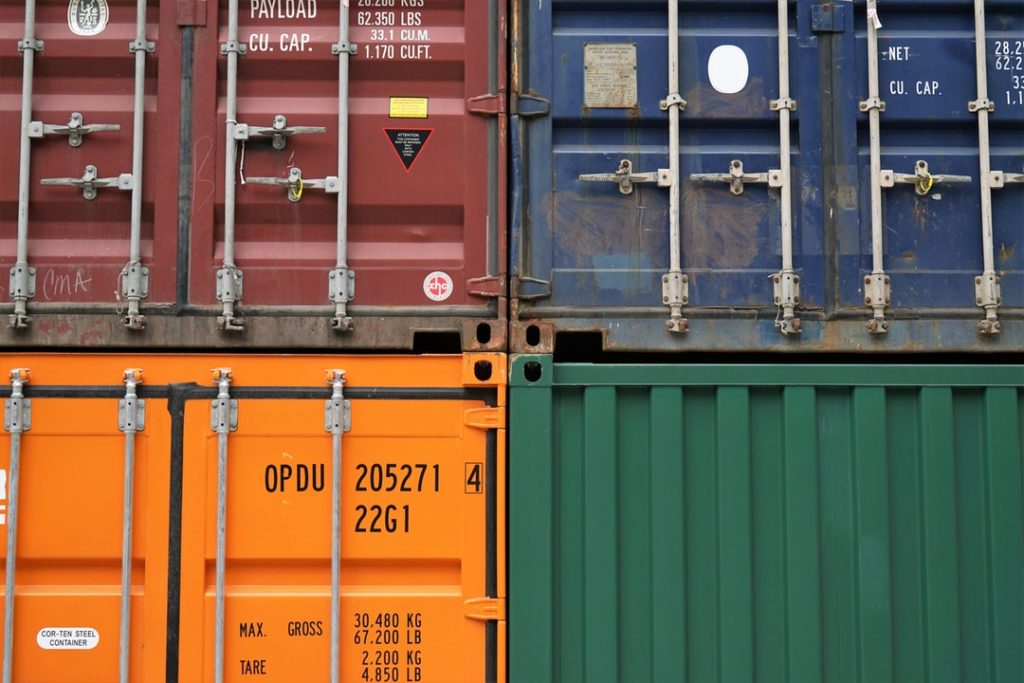
New (One-Trip): A brand-new 10′ container guarantees pristine condition with fresh factory paint, no dents, and full structural integrity. In 2026, new 10-foot containers typically cost between $2,500 and $4,500. These are ideal if you plan to convert the container into living or office space, or if you need a clean, professional appearance for commercial use.
Used: Used containers offer significant savings. Depending on condition — including factors like wear, surface rust, dents, and door functionality — a used 10′ container ranges between $1,200 and $2,900. Containers graded “Cargo Worthy” (CW) are still fit for shipping, while “Wind and Watertight” (WWT) units are suitable only for storage.
Container Type and Specifications
- Standard Dry Storage: The most common type, with prices falling in the ranges listed above. Built from corrugated Corten steel with marine-grade plywood flooring.
- Refrigerated (Reefer): Equipped with an integrated cooling unit for perishable goods. 10-foot reefer containers start from $5,600 and go upward.
- Insulated Containers: Designed to resist external temperature changes without active refrigeration. Generally priced between $5,000 and $7,000 for a 10′ unit.
- Custom Modified: Additions like windows, ventilation, roll-up doors, electrical wiring, or extra entry doors increase the price based on the scope of work.
Delivery Costs
Transporting your shipping container from the depot to your location can significantly impact your total cost. Depending on distance and access conditions, delivery fees typically range from $100 to over $1,000. Buyers located near ports or major metro areas generally pay less.
Regional Price Variations
Prices vary depending on where you are purchasing. Proximity to a port or major city where containers frequently arrive can mean lower prices. Inland or rural locations may see higher prices due to limited supply and increased transportation costs to move containers from coastal depots.
Choosing a Supplier
Different suppliers have different pricing strategies, overhead costs, and sales volumes. Always compare prices from at least three vendors before making a decision. Reputable suppliers will provide condition reports, photos, and transparent delivery quotes.
Additional Costs to Consider
- Inspection: Before purchasing a used container, consider hiring an inspector to verify it is in good condition and watertight. Inspections typically cost $100 to $300.
- Modifications: If you plan to convert the container into a workspace or living area, factor in modification costs. Basic mods like shelving and paint may cost a few hundred dollars, while full conversions with insulation, electrical, and plumbing can run $5,000 to $25,000+.
- Maintenance: Over time, containers may require maintenance such as rust treatment, repainting, or door seal replacement.
- Permits: Many municipalities require permits to place a shipping container on your property. Check with your local zoning office before purchasing.
Negotiate and Explore Discounts
Many vendors are open to negotiation, especially if you are buying multiple containers or committing to a long-term rental. Always ask about volume discounts, seasonal promotions, or price-matching policies.
Check for Deals Online
Platforms like Craigslist, Facebook Marketplace, eBay, and specialized container sale websites sometimes list containers from private sellers at below-market rates. Just be sure to inspect thoroughly before buying from a private party.
New 10′ Shipping Container Cost
A new (one-trip) 10-foot shipping container typically costs between $2,500 and $4,500 in 2026. The term “one-trip” means the container was built overseas (usually in China, which produces approximately 85% of the world’s containers) and made a single loaded voyage to North America before being sold.

Here are the primary factors that drive new 10′ container pricing:
- Manufacturing Costs: Raw materials (primarily Corten steel), labor, and factory overhead influence the base price. Fluctuations in global steel prices directly impact container costs.
- Tariff and Trade Policy: Since most containers are manufactured in China, tariffs on Chinese goods can increase prices by 20–30%. In early 2026, buyers should monitor trade policy developments and consider locking in purchases while supply remains strong and pricing favorable.
- Supply and Demand: The global shipping industry’s dynamics affect pricing. Fleet capacity growth is currently outpacing cargo demand in 2026, creating a buyer-friendly environment. However, this could shift if tariff-driven production slowdowns reduce new container availability.
- Regional Availability: Proximity to ports or manufacturing hubs reduces transportation and handling costs, making containers less expensive in coastal regions.
- Container Specifications: Standard dry containers are the most affordable. Specialty options like roll-up doors, double doors, or custom paint add to the price.
2026 Market Insight
Industry experts project relatively stable used container pricing through mid-2026, with potential upward pressure in the second half if tariff policies take full effect on Chinese manufacturers. If you are planning a purchase, Q1 and Q2 2026 represent a favorable buying window.
Refrigerated vs. Insulated 10′ Containers
Both refrigerated and insulated shipping containers are designed to manage temperature for sensitive goods, but they serve different purposes and come at different price points.
10-Foot Refrigerated Shipping Containers
Refrigerated containers (also called “reefers”) include an integrated refrigeration unit that actively cools or freezes the interior. They are essential for transporting perishable items like meat, dairy, pharmaceuticals, and fresh produce.
| Feature | Refrigerated | Insulated |
|---|---|---|
| Function | Actively cools/freezes contents | Passively resists temperature change |
| Power Required | Yes (external power source) | No |
| New 10′ Price Range | $5,600 – $8,900 | $5,000 – $7,000 |
| Maintenance | Higher (refrigeration unit service) | Lower (insulation is passive) |
| Best For | Perishables, pharmaceuticals, catering | Wine storage, sensitive equipment, seasonal goods |
Refrigerated 10′ containers are typically more expensive due to the mechanical cooling system, power requirements, and more frequent maintenance. Insulated containers offer a simpler, more affordable solution when you need to slow temperature change rather than actively control it.
Cost to Buy a Used 10′ Shipping Container
A used 10-foot shipping container costs between $1,200 and $2,900 in 2026, depending on condition, age, and location. Used containers are the most popular option for buyers who need functional storage without the higher price of a one-trip unit.
| Condition Grade | Price Range | Description |
|---|---|---|
| Cargo Worthy (CW) | $1,800 – $2,900 | Certified for ocean transport. Structurally sound with cosmetic wear. |
| Wind & Watertight (WWT) | $1,200 – $2,200 | Sealed against weather. Suitable for storage only, not shipping. |
| As-Is | $800 – $1,500 | May have holes, rust, or damage. Inspect carefully before purchasing. |
Key factors that influence used container pricing include:
- Condition: Rust, dents, door functionality, and floor integrity all affect value. A CW-graded container commands a higher price than WWT or As-Is units.
- Age: Most used containers have been in service 10 to 22 years. Older units are cheaper but may need more maintenance.
- Location: Proximity to ports or major logistics hubs means more inventory and more competitive pricing. Inland areas pay a premium.
- Modifications: Used containers that have been retrofitted with roll-up doors, shelving, ventilation, or paint touch-ups may cost more.
- Market Supply: As of early 2026, there is strong used container inventory nationwide, which is keeping prices relatively stable.
Cost to Rent a 10′ Shipping Container
Renting a 10-foot shipping container costs between $150 and $300 per month in 2026. Renting is a cost-effective solution when you need temporary storage for a construction project, seasonal inventory, or a short-term event.
| Rental Duration | Estimated Monthly Cost | Notes |
|---|---|---|
| 1–3 months | $225 – $300/mo | Short-term rates are higher |
| 3–6 months | $175 – $250/mo | Mid-term discount often available |
| 6–12 months | $150 – $225/mo | Long-term rentals get best rates |
| 12+ months | $125 – $200/mo | Consider buying if renting longer than 12 months |
Several factors influence rental pricing. Longer-term agreements typically come with lower monthly rates. The container’s condition also matters — newer units or those with added features like shelving, lighting, or security enhancements rent for more. Location plays a role, as proximity to urban centers or container depots affects both availability and delivery costs.
Supply and demand conditions in your region also matter. During periods of high construction activity, natural disaster recovery, or seasonal surges, rental prices may increase due to limited availability.
10-Foot Container Dimensions
The 10-foot shipping container is more compact than the industry-standard 20-foot unit and is a popular choice for smaller storage needs, tight spaces, and residential properties. Here are the standard dimensions:

External Dimensions
Internal Dimensions
Other Specifications
| Specification | Detail |
|---|---|
| Door Opening Width | 7 ft 8 in (2.34 m) |
| Door Opening Height | 7 ft 6 in (2.28 m) |
| Tare (Empty) Weight | Approx. 2,645 lbs (1,200 kg) |
| Max Gross Weight | Approx. 20,000 lbs (9,070 kg) |
| Usable Volume | Approx. 560 cubic feet (15.89 m³) |
| Construction | Corten steel with marine-grade plywood flooring |
| Forklift Pockets | Yes — standard on most 10′ containers |
Note that while these dimensions are standard across most manufacturers, there may be slight variations depending on the supplier. Always confirm exact measurements with the vendor before purchasing, especially if the container must fit into a specific space.
The Cost to Have a 10′ Container Delivered
Delivery is one of the most significant additional costs when purchasing a shipping container. For a 10′ container, expect to pay between $100 and $1,000+ depending on several factors:
- Distance from Depot: The further you are from the nearest container depot or port, the more delivery costs. Buyers within 50 miles of a depot typically pay $100–$300, while deliveries of 100+ miles can reach $500–$1,000+.
- Truck Type: Tilt-bed trucks allow easy offloading without special equipment (requires 50 ft of straight clearance, 12 ft width, and 16 ft vertical clearance). Flatbed trucks require a forklift rated for at least 10,000 lbs on site for unloading.
- Site Accessibility: Narrow driveways, overhead obstacles, soft ground, or limited clearance can add to delivery complexity and cost.
- Fuel Prices: Fluctuations in diesel fuel prices directly impact trucking rates.
- Seasonality: During peak demand periods (construction season, disaster recovery), delivery availability may tighten and prices may increase.
International Shipping Costs
If you need to ship a loaded 10-foot container internationally, costs vary widely based on route, weight, mode of transport, port fees, customs duties, insurance, and brokerage fees. International container shipping rates on major routes averaged $3,000 to $6,000 in early 2026, though a 10′ container on a shorter route will typically cost less than these full-size benchmarks. Other cost factors include origin and destination port fees, inspection and documentation charges, insurance, and potential delays from weather or geopolitical events.
Shipping a 10′ container domestically by truck generally costs between $1.00 and $4.00 per mile, with the total depending on cargo weight and route.
10′ vs. 20′ Container: Cost Comparison
One of the most common questions buyers have is whether to go with a 10-foot or 20-foot container. Here’s how they compare:
| Feature | 10-Foot Container | 20-Foot Container |
|---|---|---|
| New Price Range | $2,500 – $4,500 | $2,500 – $5,000 |
| Used Price Range | $1,200 – $2,900 | $1,200 – $2,800 |
| Floor Space | ~80 sq ft | ~150 sq ft |
| Volume | ~560 cu ft | ~1,170 cu ft |
| Cost Per Sq Ft (Used) | ~$15 – $36/sq ft | ~$8 – $19/sq ft |
| Availability | Limited (specialty size) | Widely available (standard size) |
| Best For | Tight spaces, residential, portability | Job sites, general storage, conversions |
The 10-foot container is the better choice when space is limited — it fits in driveways, backyards, and behind garages where a 20-footer simply won’t work. However, if you have the room and need the storage capacity, the 20-foot container almost always delivers better value per square foot.
What Fits Inside a 10-Foot Shipping Container?
With approximately 560 cubic feet of usable space, a 10-foot container holds more than many people expect. Here are some common uses and what they typically accommodate:
- Contents of a small studio apartment or one-bedroom unit
- 4–5 standard pallets of commercial inventory
- Motorcycles, ATVs, or small riding mowers
- Construction tools and equipment for a small crew
- Seasonal items like holiday decorations, patio furniture, and sports gear
- Retail inventory for a pop-up shop or small business
- Landscaping and gardening equipment
- Office files, furniture, and supplies during a renovation
The 10′ container is also a popular starting point for conversions into compact offices, guard booths, ticket kiosks, pop-up retail shops, emergency shelters, and small workshops.
How to Save Money on a 10′ Shipping Container
Whether you are buying or renting, there are several strategies to reduce your total cost:
- Get multiple quotes: Prices vary significantly between suppliers. Always compare at least three quotes before committing.
- Buy during off-peak months: February, March, September, and October typically see lower demand, which can translate to better pricing and more negotiating leverage.
- Consider WWT over CW: If you only need storage (not shipping), a Wind and Watertight container saves hundreds compared to a Cargo Worthy unit.
- Choose a nearby depot: Delivery costs add up fast. Selecting a supplier with a depot close to your location can save $200–$500+ on delivery alone.
- Buy used: A well-maintained used container can serve you for decades at 40–60% less than a new one-trip unit.
- Ask about volume discounts: Buying two or more containers? Most suppliers offer meaningful per-unit savings for multi-container purchases.
- Lock in 2026 Q1/Q2 pricing: With stable supply and potential tariff-driven price increases later in the year, early 2026 is a favorable time to buy.
Frequently Asked Questions
A 10-foot shipping container costs between $1,200 and $4,500 in 2026. New one-trip containers range from $2,500 to $4,500, used Cargo Worthy containers from $1,800 to $2,900, and used Wind & Watertight containers from $1,200 to $2,200. Prices vary by location, condition, and supplier.
Monthly rental rates for a 10-foot container typically range from $150 to $300. Longer rental terms often qualify for reduced monthly rates. Delivery and pickup fees may be additional, usually $100 to $500 depending on your location.
External dimensions are 10′ long × 8′ wide × 8’6″ tall. Internal dimensions are approximately 9’3″ long × 7’8″ wide × 7’10” tall. The door opening measures 7’8″ wide × 7’6″ tall. Total usable volume is about 560 cubic feet.
Yes. Because 10-foot containers are not standard international shipping sizes, they require extra fabrication (typically cutting a 20′ unit in half and welding a new end wall). This makes them more expensive per square foot, though the total purchase price is lower or comparable to a 20′ unit.
Delivery typically costs between $100 and $1,000 depending on your distance from the nearest container depot. Buyers within 50 miles of a depot usually pay $100–$300, while longer distances can reach $500–$1,000+. Site accessibility and truck type also factor in.
A 10′ container holds about 560 cubic feet — enough for the contents of a studio apartment, 4–5 pallets of inventory, a motorcycle or ATV, construction tools, seasonal items, or office files and furniture. It’s a popular size for residential storage, pop-up shops, and small workshops.
With proper maintenance, a 10-foot shipping container can last 25 to 30 years when used for on-site storage. Key maintenance tasks include treating rust, ensuring adequate ventilation to prevent condensation, and keeping door seals in good condition.
Yes. 10-foot containers are commonly converted into compact offices, guard booths, pop-up retail shops, workshops, and even small living spaces. Modification costs vary widely — basic setups with shelving and paint might cost a few hundred dollars, while full conversions with insulation, electrical, plumbing, and HVAC can run $5,000 to $25,000+.
For short-term needs (under 12 months), renting is typically more economical. However, if you need a container for longer than a year, purchasing is usually the better value. At $200/month rental, 12 months equals $2,400 — close to the cost of buying a used container outright.
Permit requirements vary by municipality. Many cities and counties require a permit for placing a shipping container on residential or commercial property, especially for permanent installations. Temporary placement for construction projects may have different rules. Always check with your local zoning or building department before purchasing.
Ready to Get Your 10′ Container Quote?
Compare prices from vetted local and national container suppliers. It’s free, fast, and there’s no obligation.
COMPARE CONTAINER QUOTES