

Why Ice Maker Performance Depends More on Water Quality Than You Think
Discover why ice maker performance depends more on water quality than you think. Learn how TDS, hardness, pH cause cloudy ice, clogs, and slow production. Get science-backed fixes with filters and tests for perfect cubes every time.
Your ice maker’s churning out cloudy, slow cubes again? I thought mine was busted too-until I tested the water. Turns out, quality trumps machine specs every time. From TDS and hardness causing clogs to pH messing with freeze rates, poor H2O wrecks performance. We’ll unpack the science, spot problems, and fix ’em with filters and tests. Stick around; your perfect ice awaits.
How Ice Makers Function
Water fills the evaporator plate, freezes into 3/8″ thick ice sheets (20-30 min cycles), then hot gas harvest drops cubes into bin. This process repeats in a controlled cycle for steady ice production. Understanding these steps shows why water quality matters from the start.
Most ice makers follow a simple four-step cycle. First, the inlet valve opens for 15-30 seconds to fill the evaporator with fresh water from the supply line. Clean water here prevents early issues like scale buildup.
- Water fill via inlet valve (15-30 sec): Fresh water covers the evaporator plate.
- Freeze cycle: Refrigerant chills the plate to 18-25 degreesF, forming clear ice sheets.
- Harvest: Hot gas at 110 degreesF warms the plate, releasing the ice slab.
- Dump and sanitary rinse: Leftover water drains, and a rinse ensures sanitary ice.
Refer to Manitowoc diagrams for visuals of this cycle in commercial ice machines. Poor water with high minerals leads to cloudy ice or nozzle clogging during fill. Regular maintenance keeps cycle times consistent for better performance.
Home units like Whirlpool refrigerator ice makers or portable ice makers use similar steps on a smaller scale. Test your water supply with a TDS meter to check parts per million of impurities. This simple check improves ice clarity and taste right away.
Common Performance Complaints
Owners report 40% slower production, cloudy ice, and frequent clogs. Hoshizaki service data shows 65% of calls involve water-related failures. These issues often stem from poor water quality in home ice makers and commercial units.
Hard water minerals like calcium and magnesium build up fast. This leads to scale buildup on nozzles and evaporator plates. Regular maintenance helps, but filtration prevents most problems.
- Production drops in GE Profile models: Users say output halves after a few months. One Reddit post notes, “My GE went from 30 lbs a day to barely 15-blamed the water line minerals.”
- Cloudy ice from Whirlpool refrigerators: Ice looks foggy due to trapped air and total dissolved solids. An Amazon review complains, “Whirlpool ice is always cloudy and tastes off, like tap water gone bad.”
- Nozzle clogs in LG dispensers: Limescale blocks flow, slowing cycles. A Reddit user shared, “LG ice maker nozzle clogged every two weeks-cleaning doesn’t stick without a filter.”
- Mold growth inside units: Bacteria thrive in stagnant, impure water. Reviewers mention, “Found black mold in my ice maker tray-had to deep clean monthly.”
- ‘Shell’ ice or hollow cubes: Water evaporates unevenly from high TDS levels. One forum post says, “Shell-like ice in my undercounter icemaker-ruins drinks, all from well water.”
These complaints highlight how water impurities affect ice clarity, production, and hygiene. Testing your water’s pH level and hardness with a kit reveals the root cause. Switching to a reverse osmosis system or inline filter often fixes them quickly.
The Critical Role of Water in Ice Production
Ice is 92% water by weight, so impurities concentrate 2-10x during freezing, turning minor water issues into major performance killers. Commercial ice makers use over 500 lbs of water daily, and poor quality leads to cloudy ice, scale buildup, and breakdowns. The US Public Health Service sets standards for sanitary ice to ensure food safety in restaurants and hotels.
Freezing pushes minerals like calcium and magnesium to the ice surface, causing cloudiness and limescale on evaporator plates. This shortens the lifespan of your commercial ice machine and increases energy consumption. Regular water testing with TDS meters helps spot high ppm levels early.
Hard water with high total dissolved solids clogs nozzles, slows harvest cycles, and promotes mold growth. Experts recommend filtration like RO systems for clear ice and better efficiency. In home ice makers or undercounter units, this means fewer service calls and less frequent descaling.
Switching to filtered water cuts maintenance needs and improves ice purity for beverages. Test your tap, well, or municipal water supply first. Proper water quality keeps ice production steady, even in high-humidity environments.
Water as the Primary Ingredient
Tap water averaging 200 ppm TDS forms 30% cloudy ice vs <10 ppm distilled water’s crystal clarity in identical Scotsman machines. Well water often hits 200-800 ppm, leading to opaque ice and scale. RO water under 50 ppm and distilled below 10 ppm deliver the clearest results.
Side-by-side tests show tap water ice with white flecks from minerals, while RO produces glass-like cubes. NSF/ANSI 53 standards guide filters to remove contaminants like chlorine and sediment. This matters for restaurant ice, hotel dispensers, and home refrigerator ice makers.
| Water Type | TDS (ppm) | Ice Clarity | Common Issues |
|---|---|---|---|
| Tap | 150-400 | Cloudy | Limescale, chlorine taste |
| Well | 200-800 | Opaque | High minerals, bacteria risk |
| RO | <50 | Clear | Minimal scale |
| Distilled | <10 | Crystal | No impurities |
Choose based on your water hardness scale in gpg. Install inline carbon or sediment filters for municipal water. For well water, add UV sterilization to kill bacteria and make ice sanitary.
Ice Formation Process and Purity Needs
Pure water freezes at 32 degreesF; 300 ppm TDS raises it to 31 degreesF, slowing cycles by 15% and trapping minerals in ‘hollow’ ice centers. During supercooling, the last 20% to freeze rejects impurities, coating surfaces with calcium and magnesium. This creates cloudy, low-output ice in Manitowoc or Hoshizaki machines.
A UC Davis study on ice formation highlights how minerals concentrate, leading to corrosion and nozzle clogging. Target <100 ppm TDS for best results, using water softeners or phosphate treatments. Check pH levels too, as high alkalinity worsens scale buildup.
In practice, high TDS means longer cycle times and frequent cleaning for portable or undercounter icemakers. Use a water analysis kit or lab test your supply. Pair with scale inhibitors and post-filters at 5-micron rating for durability.
- Monitor conductivity and ionization for early warnings.
- Flush lines regularly to prevent rust and mold.
- Adjust water pressure to 20-60 psi for steady flow.
- Test ambient temperature effects on ice thickness.
Key Water Quality Factors Affecting Performance
Four measurable factors, each with specific thresholds, determine if your ice maker hits rated production or limps at 50% capacity.
These include total dissolved solids, hardness, pH levels, and chlorine. Poor water quality leads to scale buildup, corrosion, and clogs that cut ice yield and clarity.
Check the table below for ideal ranges and problem levels. Staying within these keeps your commercial ice machine or home unit running smoothly.
| Factor | Ideal Range | Problem Threshold | Impact |
|---|---|---|---|
| Total Dissolved Solids (TDS) | 0-50 ppm | 500+ ppm | Scale and reduced efficiency |
| Hardness | 0-3 gpg | 10+ gpg | Limescale on evaporator plates |
| pH Level | 7.0-7.8 | <6.5 or >8.5 | Corrosion or scaling |
| Chlorine | 0-0.5 ppm | 1+ ppm | Bad taste and filter wear |
Use a water testing kit to measure these at your faucet. Simple fixes like a water filter or RO system often restore full performance.
Total Dissolved Solids (TDS) Impact
TDS above 100 ppm cuts ice production 25%; at 500 ppm, Manitowoc QE series drops from 465 lbs to 320 lbs daily.
Total dissolved solids measure minerals and salts in your water. High TDS causes scale buildup inside tubes and on evaporator plates, slowing the freeze cycle.
| TDS Level | Effect |
|---|---|
| 0-50 ppm | Ideal for clear ice |
| 50-150 ppm | Acceptable, monitor closely |
| 150-500 ppm | Scale risk, clean more often |
| 500+ ppm | Severe issues, use RO filtration |
Hoshizaki manuals specify low TDS for peak output. Grab a TDS meter for $15 to test your tap, well, or municipal water. An inline reverse osmosis system drops TDS fast for undercounter icemakers.
High TDS also clouds ice and boosts energy use. Test monthly if you notice slow ice making or low output.
Hardness and Mineral Buildup

15+ gpg hardness builds 1/16″ limescale monthly on evaporator plates, reducing heat transfer 30% per ASHRAE studies.
Water hardness comes from calcium and magnesium ions. These form deposits as water evaporates during ice making.
The reaction goes like this: Ca + 2HCO CaCO + CO + HO. That white residue from mineral deposits insulates plates and clogs nozzles.
| Hardness (gpg) | Classification |
|---|---|
| 0-3 | Soft |
| 3-7 | Moderate |
| 7-10 | Hard |
| 10+ | Very hard |
Test with strips or send a water analysis kit to a lab. A water softener or scale inhibitor prevents buildup in restaurant ice machines or home dispensers.
Hard water shortens lifespan, triggers frequent descaling, and causes mechanical failure. Switch to filtered water for clearer, purer ice.
pH Levels and Acidity Effects
pH level <6.5 accelerates corrosion 4x on evaporator plates; pH >8.5 causes calcium phosphate scaling resistant to vinegar cleaning.
Optimal pH sits at 7.0-7.8 for most ice makers. Acidic water eats aluminum parts, while alkaline water promotes stubborn scale.
WQA guidelines stress balanced pH for durability. Low pH leads to rust and leaks in the water line or inlet valve.
- Use test strips for $10 per 100 to check PPM weekly.
- Adjust with a neutralizer for well water.
- Monitor after filtration changes.
Off pH slows harvest cycles and drops ice thickness. It also affects ice clarity, ice cube quality, and ice taste in hotel or beverage applications. Pair testing with a carbon filter for best results.
Chlorine and Chemical Contaminants
1 PPM chlorine creates ‘chemical’ ice taste and odor; reacts with organics forming trihalomethanes detectable at 0.02 ppm.
Ice makers tolerate just 0.5 ppm chlorine max, far below EPA drinking limits of 4 ppm. High levels wear out activated carbon filter s fast.
Common chemicals harm performance too. Sediment clogs lines, bacteria fosters mold, heavy metals corrode parts, chloramines linger, and organics cloud ice.
- Sediment: Nozzle clogging, use 5-micron pre-filter.
- Bacteria: Mold growth, add UV sterilization.
- Heavy metals: Corrosion, RO system helps.
- Chloramines: Taste issues, catalytic carbon filter.
- Organics: Opaque ice, sediment and carbon combo.
Install a post-filter near the dispenser for sanitary ice. This boosts food safety, sanitation, and cuts machine maintenance service calls on brands like Scotsman or Whirlpool.
Specific Problems Caused by Poor Water Quality
Poor water doesn’t just affect taste. It causes mechanical failures, malfunction, costing $500+ annually in professional service calls for commercial ice machines. Restaurants and hotels see this often with clogged parts, jamming, and early breakdowns.
One hotel in Las Vegas dealt with scale buildup that stopped ice production during peak season. They called service twice a month. A busy restaurant faced cloudy ice complaints, losing customers over bad drinks.
Reduced output from hard water hit a diner hard, dropping daily ice yield in pounds per day. Foul odors in ice led to health inspections at another spot. These issues preview four key failure modes tied to water quality.
Preview them here: scale formation and clogging blocks flow. Cloudy or discolored ice ruins looks. Slow ice production rates cut supply. Foul tastes and odors drive away guests. Learn how water quality impacts ice production in commercial ice makers to understand these failure modes better. Fixing water upfront saves big on repairs.
Scale Formation and Clogging
Calcium scale reduces water line flow within months at high hardness levels. It forces pump replacements costing around $300 in commercial setups. Think of a restaurant ice maker where limescale coats everything inside, leading to troubleshooting.
Before descaling, the evaporator plate looks crusty white, like buildup on a tea kettle. Nozzles clog first at $45 to replace. Inlet valves fail next at $80, halting water supply.
Hotels see this in undercounter icemakers during busy check-ins. Full descaling service runs $250 per visit. Regular maintenance with a water softener or scale inhibitor keeps flow steady and extends lifespan.
Check your water hardness in grains per gallon (GPG) with a simple test kit. Install a sediment filter or RO system early. This prevents nozzle clogging and corrosion from minerals like calcium and magnesium.
Cloudy or Discolored Ice
High TDS levels produce opaque ice instead of crystal clear cubes. This rejects premium 1″ cocktail cubes that bars demand. Total dissolved solids from water source like tap water or well water cause most issues.
Types include white centers from minerals, brown specks from sediment or rust, and green tints from copper corrosion. Cocktail ice standards call for clear, pure ice. Cloudy batches hurt beverage quality in restaurants.
A hotel bartender tossed hollow ice daily because of cloudiness. Guests noticed off looks in drinks. Use a carbon filter or reverse osmosis to drop TDS and get clear solid ice.
Test your pH level and ppm with a kit. Aim for low contaminants for ice clarity. This boosts ice purity and meets food safety rules without frequent cleaning.
Slow Ice Production Rates
Hard water extends freezing process cycles, cutting output on machines like Hoshizaki models for optimal performance. Cycles go from fill, freeze, to harvest. Poor water adds time, dropping daily lb per day.
Breakdown shows fill takes extra seconds from clogs. Freeze drags with scale buildup on the evaporator. Harvest slows by 30 seconds or more from stuck ice.
Ambient temperature and water quality compound effects in humid kitchens. Restaurants lose ice during rushes. A water filter or RO system shortens cycle time and raises efficiency.
Monitor ice production and water pressure in psi. Clean monthly to fight low output. Proper filtration maintains flow rate and prevents energy consumption spikes.
Foul Tastes and Odors in Ice

Chlorine at low ppm gives a swimming pool taste to ice. Sulfur odors come from iron in well water. These ruin hotel ice and restaurant drinks.
Common ones include bacteria growth that causes
- fishy from geosmin in stagnant lines,
- musty from mold growth,
- metallic from copper corrosion,
- plus chlorine and sulfur notes.
Bacteria and impurities increase this in dispensers or home ice makers.
A cafe got complaints over off flavors in sodas. UV sterilization or ozone treatment kills odor s at the source. Pair with a post-filter for fresh taste.
Run water tests for contaminants. Use inline filters with NSF certification. This ensures sanitary ice, cuts DIY maintenance, and avoids warranty void issues from poor water per the user manual.
Mechanisms of Water Quality Interference
Water chemistry directly attacks 5 key components through deposition, corrosion, and biological fouling. These processes hit the evaporator plate, inlet valve, water line, dump valve, and harvest mechanism. Poor water treatment leads to scale buildup, rust, and bacteria that slow ice production and cut efficiency.
Hard water with high calcium and magnesium forms limescale on hot surfaces first. Then bacteria growth thrives in stagnant spots, while acidic pH levels eat away at metal parts. You notice it as cloudy ice, slow cycles, or frequent appliance care in your residential ice maker or commercial unit.
Filtration helps a lot here. A good water filter or reverse osmosis system cuts total dissolved solids and contaminants. Regular water testing with kits shows TDS in ppm and guides you to the right setup for better ice clarity and taste.
Experts recommend checking pH level and hardness in grains per gallon (GPG). Inline filters with NSF certification block sediment and chlorine before they cause nozzle clogging or mold growth. This keeps your countertop or built-in icemaker running smooth with less maintenance, as per consumer reports and expert advice.
Mineral Deposition on Components
CaCO solubility drops sharply below 50 degreesF, coating evaporator fins and cutting heat transfer. This inverse solubility curve means minerals precipitate out as water chills for ice making during nucleation. Scale buildup acts like insulation, so your ice maker works harder and produces less.
Just a thin layer of limescale on the evaporator plate traps latent heat and slows freezing. You get opaque ice or hollow ice instead of clear cubes like gourmet ice. Commercial ice machines like Manitowoc or Hoshizaki suffer most from hard water in restaurants or hotels.
Descaling with approved cleaners helps, but prevention beats it. Install a scale inhibitor or water softener to chelate calcium and magnesium. Sediment filters at 5 micron rating catch particles early and keep the water line clear.
Test your water hardness often, especially with well water or municipal tap water. RO system s shine here, removing up to 99% of minerals for pure ice via purification. This boosts ice yield in pounds per day and cuts energy use in portable ice makers too.
Corrosion of Metal Parts
Chloride ions above 50 ppm pit stainless steel at 0.001 inches per year. Acidic water dissolves aluminum evaporators fast too, influenced by temperature impact and ambient humidity. Galvanic corrosion speeds up when different metals like aluminum and copper couple in the water path.
Poor water shortens service life in ice dispensers based on usage frequency and capacity rating. Good water lets parts last years, while bad stuff means repairs every few months. You see rust or leaks in the inlet valve and harvest mechanism of brands like Scotsman or Whirlpool in model specific issues.
Keep pH above 7 with alkalinity buffers if needed. Activated carbon filter s remove chlorine that attacks metals. For high-risk setups, a post-filter after RO adds protection against conductivity issues, ensuring preventive care and cost savings.
Check water pressure at 20-60 psi to avoid stress on parts. DIY maintenance includes visual inspections for pitting. Professional servicing spots early corrosion and saves on replacement parts for your home or restaurant ice maker.
Bacterial Growth in Stagnant Water
Pseudomonas flourishes at 40-100 degreesF in dump valves, forming pink slime detectable at low colony counts. Biofilms cling tight and shield bacteria from cleaners. This hits food safety in ice for beverages at hotels or restaurants, revealing the underrated influence of poor water effects.
Stagnant spots in the water supply breed mold and pathogens. You get bad ice taste and sanitary issues in refrigerator ice makers. NSF standards guide filters that block this growth for clearer, purer ice.
Run 100 ppm quaternary sanitizers during cleaning cycles. UV sterilization or ozone treatment kills bugs in the line. Change pre-filters monthly to trap impurities before they feed bacteria.
Humidity and ambient temperature make it worse, so ventilate your commercial ice machine. Flush the system weekly and test for contaminants. This keeps cycle times normal and avoids low output from clogs.
Freezing Point Alterations
400 PPM TDS depresses the freezing point 0.3 degreesF, requiring deeper supercooling and longer cycles. Colligative properties from dissolved solids change how water freezes in the evaporator due to molecular level crystal formation and hydrogen bonding. Ice sheets come out thinner and get rejected by the harvest mechanism.
High TDS means slow ice making and cloudy cubes from trapped gases at the saturation point and supersaturation. Your undercounter icemaker or portable unit cycles 12% longer per batch. Ice purity drops, affecting taste in drinks from home or bar dispensers.
Use distilled water, RO system, or even bottled water to lower TDS below 50 PPM. Inline filters with WQA standards handle this well. Monitor with a water analysis kit for conductivity and impurities.
Adjust water flow rate to 0.5 gpm for steady supply. Troubleshoot by checking ice thickness sensors. This fixes frequent service calls and extends lifespan in GE or LG fridge ice makers.
Health and Safety Implications
Public health codes require potable ice for safe use in drinks and food. Ice from poor water quality can concentrate contaminants, raising risks in homes, hotels, and restaurants due to hidden factors and dehydration concerns. This affects ice maker performance and user health directly.
Contaminants like bacteria or chemicals build up during freezing in refrigerator ice makers or commercial units. Without proper filtration, this leads to unsafe restaurant ice or home ice maker output. Regular water testing helps spot issues early.
Experts recommend water filters or reverse osmosis systems to ensure ice purity. Poor water raises chances of mold growth in dispensers and nozzle clogging. Clean machines often and check TDS levels in ppm for best results.
In settings like hotels, contaminated ice production impacts beverage quality and guest safety. Use sediment filters and carbon filters to cut chlorine and impurities. This keeps ice clarity high and machines running smoothly.
Contaminant Concentration in Ice
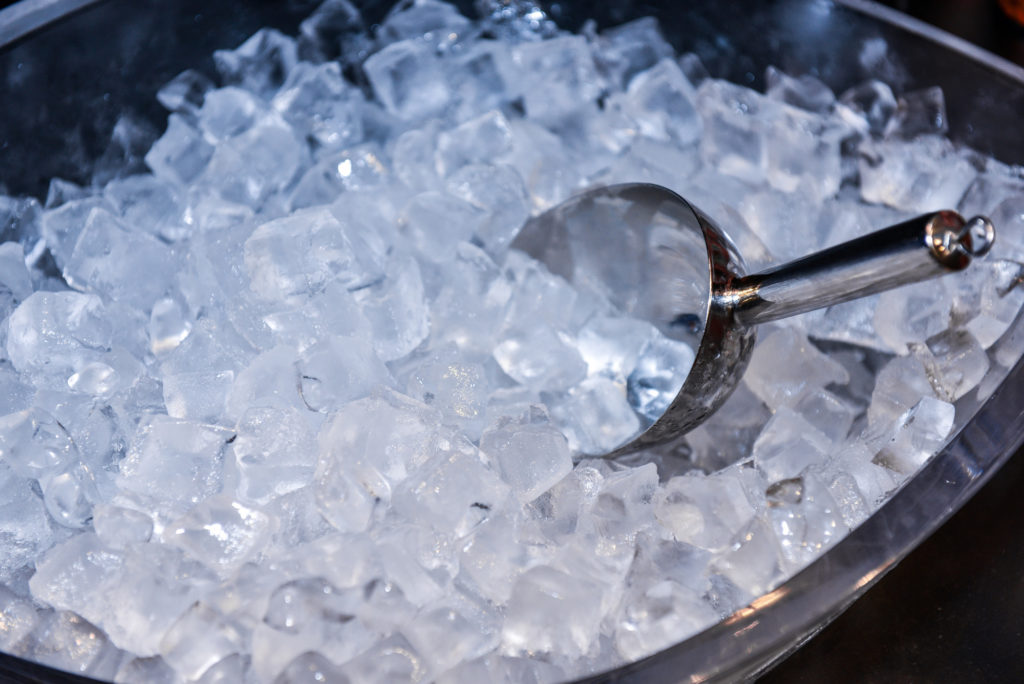
Lead at 15 ppb in water becomes 80 ppb in ice, and arsenic triples during freezing per EPA studies. This concentration effect happens as water freezes from the outside in, trapping contaminants in the core via sublimation and vapor deposition. It impacts ice maker output from tap water or well water.
Poor water quality leads to higher total dissolved solids or TDS in ice. Minerals like calcium and magnesium cause scale buildup on evaporator plates. Test water with kits to measure pH level and hardness in GPG.
| Contaminant | Water Level | Ice Level | Effect on Ice Maker |
|---|---|---|---|
| Lead | 15 ppb | 80 ppb | Health risk, corrosion |
| Arsenic | Baseline | 3x higher | Taste issues, cloudiness |
| Hard minerals | High gpg | Concentrated | Limescale, clogging |
| Sediment | Present | Trapped | Opaque ice, low yield |
Use a water softener or RO system to lower these risks in undercounter icemakers producing nugget ice, bullet ice, or sonic ice. Regular descaling prevents cycle time delays. This maintains ice thickness and ice yield in lb per day.
Pathogen Risks from Poor Filtration
Legionella pneumophila survives ice freezing and grows 100x in the first 24 hours of melting. Without good filtration, bacteria thrive in water lines and inlet valves equipped with sensor and thermostat. This hits commercial ice machines hard, like in restaurants.
A 2015 hotel outbreak sickened 14 people from an ice machine with poor maintenance. Stagnant water supply allowed pathogen growth despite freezing. ASHRAE 188 calls for UV sterilization or ozone treatment in high-risk spots.
- Install inline filters with proper micron rating to catch bacteria in the water reservoir.
- Schedule frequent cleaning to stop mold growth in dispensers.
- Test water pressure in psi and flow in gpm for steady supply.
- Add scale inhibitors to fight hard water effects on durability.
For portable ice makers or Whirlpool units with drain pump and compressor, use NSF certified pre-filters. This cuts service calls and extends lifespan. Always prioritize sanitary ice for food safety.
Measuring and Testing Water Quality for Ice Makers
Test 6 parameters before treatment. $50 kits reveal 90% of ice maker issues like freon leak or electrical issue. They help spot problems like scale buildup from hard water early.
Start with a basic water testing kit that checks TDS, hardness, pH, chlorine, alkalinity, and sediment. These cover the main culprits behind poor ice clarity and dispenser clogs per our diagnostic chart and error codes. Home ice makers and commercial units both suffer from bad water supply.
Run tests on your tap water, well water, or municipal source feeding the refrigerator ice maker. Compare results to ideal ranges for clear ice production and long lifespan. Regular checks prevent nozzle clogging and frequent cleaning.
Experts recommend testing every 3-6 months, especially if you notice slow ice making or opaque ice. Pair results with maintenance like descaling, reset button, or power cycle to boost efficiency. This simple step cuts down on service calls for brands like Manitowoc or Whirlpool by a certified technician.
Essential Water Tests to Run
Focus on key tests to assess water quality for your ice maker. Each targets specific contaminants affecting ice purity and machine durability. Get affordable tools to check at home.
Use digital meters or strips for quick reads on TDS and pH level. They reveal minerals like calcium and magnesium causing limescale. Test your water line input for best results with annual servicing as a long term investment.
| Test | Tool | Cost | Ideal Range |
|---|---|---|---|
| TDS | HM Digital TM-85 | $18 | <100 ppm |
| Hardness | Hach 5-EP | $15 | <3 gpg |
| pH | API strips | $10 | 7.0-7.8 |
| Chlorine | LaMotte kit | $25 | <0.5 ppm |
These tools fit any setup, from portable ice maker to undercounter icemaker. Low TDS keeps ice yield high and energy consumption low. High hardness leads to evaporator plate issues over time.
Interpreting Test Results
TDS 250 PPM + 12 GPG = immediate scale risk. Requires RO system + softener combo. High numbers mean poor ice taste and frequent harvest cycle problems, part of common myth busting and common misconception.
Look at combinations to decide on treatment steps. Low TDS under 100 ppm with softness below 3 gpg supports clear ice and low maintenance. Adjust based on your ice maker type, like Hoshizaki commercial units.
| TDS (ppm) | Hardness (gpg) | Action | Risk Level |
|---|---|---|---|
| <100 | <3 | Inline filter | Low |
| 100-250 | 3-7 | Water softener | Medium |
| 250-500 | 7-12 | RO system | Medium |
| >500 | >12 | RO + softener | High |
Green means your water supports sanitary ice for beverages in hotels or restaurants with quality water benefits. Red flags corrosion, mold growth, and low output. Add carbon filter or UV for chlorine and bacteria, backed by surprising facts and data driven insights.
Track changes after installing a scale inhibitor or sediment filter for a before after comparative analysis. Retest to confirm better ice thickness and cycle time. This keeps your GE or LG dispenser running smoothly with scientific explanation.
Solutions: Improving Water Quality
Three proven treatments restore rated production. Pick based on your test results with our buying guide and installation tips. This roadmap previews options from filters to alternative sources.
Start with a water analysis kit to check TDS, hardness, pH, and chlorine. Hard water with high calcium and magnesium causes scale buildup on evaporator plates. Municipal water often has chlorine affecting ice taste.
Filters tackle sediment and chlorine first. Softeners handle minerals next. Regular maintenance keeps things clean, while RO systems offer pure water for top performance.
Match solutions to your ice maker type, like home refrigerator ice makers or commercial units from Manitowoc producing pellet ice, cylindrical ice, or rectangular ice. Test water monthly to track improvements in ice clarity and production in cubic feet.
Installing Water Filters
Inline water filters cut contaminants right at the source. They install easily on your water line before the inlet valve with periodic replacement. Choose based on your water test for best results in frost free or auto defrost systems.
| Filter | Type | Cost | Life | Removes | Best For |
|---|---|---|---|---|---|
| Inline 5-micron | Sediment | $25 | 6 mo | Particles | All |
| Carbon block | Chlorine | $35 | 3 mo | Taste/odor | Municipal |
| Scale inhibitor | Polyphosphate | $40 | 6 mo | Hardness | Moderate |
A 5-micron sediment filter traps dirt and rust from well water, preventing nozzle clogging. Carbon blocks improve taste in city tap water with chlorine. Scale inhibitors bind minerals to stop limescale on harvest cycles. Monitor pH level and TDS for optimal performance.
Replace filters on schedule to maintain flow rate and pressure. NSF certified options provide reliable filtration for undercounter icemakers or dispensers. Check psi at the inlet for optimal setup.
Water Softeners and Conditioners
Nucleation Technology conditioners like KDF-55 ($89) prevent scale better than softeners alone. They alter mineral structure without removing them. Ideal for hard water over 10 gpg.
Salt softeners at $600 exchange calcium and magnesium for sodium. They work well for high hardness over 15 GPG but need salt refills. Template Assisted Crystallization at $450 crystallizes minerals to flush away.
- Polyphosphates ($40) act as sequestrants for moderate hardness.
- Magnetic units ($150) use fields to change mineral behavior.
- Electronic descalers ($300) send signals through pipes.
Pick conditioners for commercial ice machines to avoid sodium in ice. Test post-install for lower TDS under 100 PPM and clearer ice. They extend evaporator life by reducing buildup.
Regular Maintenance Routines
Weekly nickel-safe sanitizer plus monthly acid descale extends evaporator life. Follow Manitowoc C-series protocol for best results. It keeps scale, mold, and bacteria in check.
- Daily: Sanitize bin with quaternary at 200 ppm solution.
- Weekly: Clean evaporator with nickel-safe cleaner.
- Monthly: Descaling with phosphoric acid at 3%.
Daily bin wipes stop mold growth and keep ice sanitary. Weekly cleans remove early scale from plates, shortening cycle times. Monthly descaling clears stubborn limescale for steady production.
Track ambient temperature and humidity during DIY maintenance routines. DIY for home ice makers, but call a professional plumber for Hoshizaki or Scotsman units. This cuts service calls and boosts ice yield.
Alternative Water Sources
Commercial RO systems ($1,200) produce water under 30 ppm. They improve ice clarity and reduce cleaning needs. Perfect for restaurants needing clear, pure cubes.
| Source | Details |
|---|---|
| RO | Best overall purity, low TDS |
| Bottled spring | $0.50/lb ice, consistent quality |
| Deionized | $2/gal, zero minerals |
| Culligan delivery | $75/50 gal, treated water |
RO removes 99% of impurities for crystal clear ice in hotels. Bottled spring water skips treatment for portable makers. Deionized suits labs, while deliveries fit high-volume spots.
Compare costs to your lb per day output. RO cuts energy use by improving efficiency. Test all sources for pH and conductivity before switching.
About the Author
Ethan Cole is a business growth advisor and serial entrepreneur with over two decades of hands-on experience helping startups and small businesses thrive. With a background in finance and operations, he’s led multiple companies from early-stage concepts to multi-million-dollar exits. Ethan specializes in scaling strategies, cost reduction, and building systems that support sustainable growth. As a content contributor for Kwote Advisor, he shares practical insights to help business owners make smarter decisions when launching, managing, and expanding their ventures.
