
Why Veterinary Clinics Need Specialized Cleaning Services to Prevent Cross-Contamination
Discover why veterinary clinics need specialized cleaning services to prevent cross-contamination from MRSA, parvovirus, rabies, and more in high-risk areas like exam rooms and kennels. Learn expert strategies that beat standard methods and meet OSHA standards. Protect your patients now.
One slip-up in cleaning, and your veterinary clinic turns into a pathogen playground-spreading MRSA, parvovirus, even rabies between patients. I’ve seen it firsthand: busy exam rooms, surgery suites, and kennels harboring invisible threats that standard wipes can’t touch. Standard methods fall short against these unique risks in animal hospitals, breaching OSHA and CDC rules. See why services with veterinarian-grade protocols and certified technicians provide the best protection-and how they cut outbreaks and costs. Keep reading.
Definition and Scope of Cross-Contamination

Cross-contamination occurs when pathogens transfer from infected animal waste to clean surfaces through shared gloves, tables, or airborne particles, highlighting the need for cross-contamination prevention. This process puts pets and staff at risk in veterinary clinics and pet care facilities. It spreads quickly without proper infection control.
Common routes include the fecal-oral pathway, like parvovirus lingering in urine puddles on exam room floors. Fomite transmission happens when clipper blades carry MRSA between patients. Aerosol spread carries kennel cough through poor ventilation systems.
Imagine a simple diagram here: arrows show contamination pathways from a dog’s feces to gloves, then to a table, and finally to another pet’s paw. Air currents lift particles from kennels to waiting areas. Surfaces act as bridges for bacterial contamination.
Veterinary clinics need specialized cleaning services with robust infection control to break these chains. Experts recommend EPA-approved cleaners with proper contact time for surface decontamination. Regular deep cleaning protocols target high-touch areas to support pet health safety.
Prevalence in Veterinary Environments
A 2022 JAVMA study found 42% of veterinary clinics had detectable MRSA in vets on high-touch surfaces despite daily cleaning. This shows how common bacterial contamination can be in busy animal hospitals. Regular wiping often misses tough pathogens.
Research suggests zoonotic diseases like MRSA affect many vet workers through close contact with pets, contributing to antimicrobial resistance. Clinics see risks from parvovirus control in kennels and kennel cough hygiene issues. Poor surface decontamination lets germs spread fast between patients.
Compared to human hospitals, vet settings face unique challenges with fecal matter removal and urine disinfection as part of veterinary waste management. Exam room sanitation and waiting area disinfection demand stronger clinic disinfection steps. Specialized cleaning services target these contamination hotspots effectively.
Vets report frequent issues in surgical suite cleaning and isolation ward sanitation requiring exam room sterilization. Using EPA-approved cleaners like quaternary ammonium compounds helps with contact time efficacy. Training staff on cleaning SOPs reduces pathogen spread in these high-risk areas.
Unique Pathogen Challenges in Vet Clinics
Veterinary clinics battle pathogens that survive standard disinfectants and spread rapidly among multi-species patients. Unlike human hospitals, these spaces deal with fur, feces, and vomit from dogs, cats, and exotics all at once. This mix creates cross-contamination risks that everyday cleaning misses.
Bacterial threats like MRSA cling to surfaces for days. Viruses such as parvovirus linger for months, resisting many cleaners. Fungal spores and parasites add to the challenge, thriving in warm, moist clinic areas.
Experts recommend specialized cleaning services with EPA-approved veterinary disinfectants. These handle the unique load of animal waste and multi-patient traffic. Proper disinfection protocols prevent outbreaks and protect pet health safety.
Focus on high-touch surface disinfection like exam tables and waiting area hygiene floors. Implement biosecurity measures such as dedicated tools for isolation wards. This approach cuts pathogen spread in busy animal hospitals.
Bacterial Threats like MRSA and Salmonella
MRSA survives on exam tables 72+ hours and spreads to clinic staff through skin contact. It resists bleach and spreads when fur clipping causes cuts. Veterinary staff handle infected pets, then touch new patients without realizing it.
Salmonella sheds in feces, contaminating floors for days. Clostridium forms spores that shrug off most disinfectants. These bacteria thrive in kennels and surgical suites, leading to bacterial contamination.
| Transmission Pathway | Description |
|---|---|
| Animal to Surface | Feces or pus deposits pathogens on floors and tables. |
| Surface to Staff | Hands pick up bacteria during handling or cleaning. |
| Staff to New Patient | Contaminated gloves or tools infect waiting pets. |
Use quaternary ammonium compounds combined with bleach solutions for surface decontamination. Train vet techs on cleaning SOPs and PPE protocols. Regular deep cleaning protocols keep these threats in check.
Viral Hazards Including Parvovirus and Rabies
Parvovirus remains infectious on surfaces 5-7 months, requiring 10-minute accelerated hydrogen peroxide contact time. The PPV-2c strain resists many cleaners, hitting puppies hard with costly treatments. It spreads fast in recovery cages and exam rooms.
Rabies virus in saliva transfers via gloves to bites, with no cure once symptoms start. Canine flu hangs airborne for 48 hours, infecting multiple pets in waiting areas. These viral outbreaks demand strict infection control.
Follow AAHA guidelines for clinic cleaning using hydrogen peroxide disinfectants like those with list number 99299. Wipe down equipment after each use and isolate sick animals. Hydrogen peroxide disinfectants offer fast contact time efficacy with no residue.
Veterinarians should enforce vet hygiene routines, like changing gloves between patients. Professional vet cleaners handle post-surgery cleaning and kennel cough hygiene. This prevents pathogen spread and builds client confidence.
Fungal and Parasitic Contaminants
Ringworm spores survive 18 months in clinic environments, spreading via grooming clippers to exposed animals. Dermatophytes like Microsporum canis stick to brushes and fur. These fungi cause itchy skin issues across species.
Giardia cysts resist chlorine and lurk in water bowls. Cryptosporidium from feces contaminates floors, leading to diarrhea outbreaks. Microscopic images show these tough cysts shrugging off basic rinses.
Apply accelerated H2O2 products like Roccal-D for effective kill with hospital-grade disinfectants. Steam vapor at 200 degreesF wipes out spores on contact. Combine with pressure washing for kennels and grout restoration on tiles.
Schedule veterinary sanitation to target contamination hotspots like grooming area hygiene. Use no-rinse disinfectants for quick turnaround. Certified veterinary janitorial services remove all fecal matter and sterilize equipment.
High-Risk Areas Prone to Cross-Contamination
Exam tables test 85% positive for pathogens due to invisible urine and fecal residue between cleanings in vet practice hygiene routines. Veterinary clinics face unique challenges with cross-contamination hotspots that demand specialized cleaning services. These areas see heavy traffic from pets shedding fur, fluids, and dander.
Treatment areas top the list because of direct contact with fur and bodily fluids, demanding kennel disinfection. Kennels follow close behind from aerosolized particles and waste buildup. Waiting rooms pick up pet dander from anxious animals brushing against surfaces.
Daily exposure runs hours in these zones, amplifying pathogen spread risks. ATP swab tests often reveal levels far higher than in standard offices. Clinics need targeted disinfection to protect pet health safety and prevent outbreaks.
Focus on high-touch surfaces like tables, floors, and handles. Regular microbial testing confirms cleaning effectiveness. This approach supports infection control and veterinary hygiene standards.
Exam Rooms and Treatment Tables
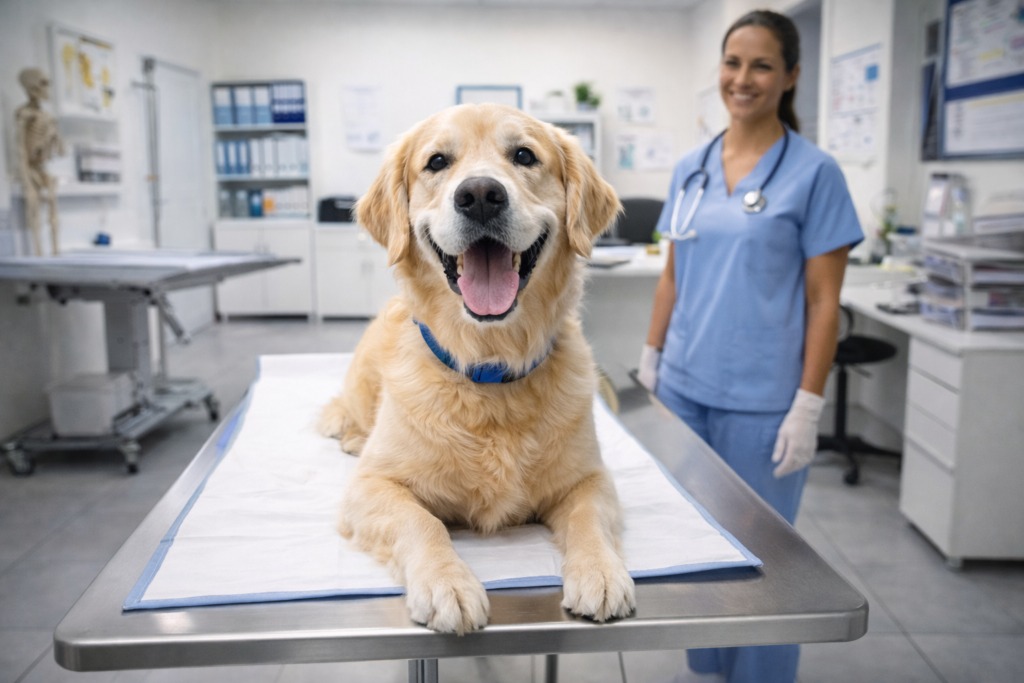
Exam tables harbor bacteria after short consults from pet fluids and fur. Vinyl cracks trap blood and urine, creating hidden spots for growth. Fabric covers can breed fungi if not handled right.
Cleaning starts with removing all waste first using biohazard cleanup procedures. Follow with EPA-approved disinfectant and a full 10-minute contact time. Use ATP swab tests to check that surfaces are decontaminated.
Tools like electrostatic sprayers cover every angle evenly. Rescue disinfectant tackles tough veterinary pathogens without residue, outperforming veterinary-specific cleaners. Train staff on these steps for consistent exam room sanitation.
Daily protocols cut bacterial contamination and zoonotic disease risks. Quick wipe-downs between patients maintain biosecurity measures. This keeps client confidence high in animal hospitals.
Surgery Suites and Recovery Zones
Surgical lights test positive for MRSA post-op from aerosolized blood particles requiring veterinary equipment cleaning. These areas demand strict sterile field maintenance to avoid surgical suite infections. Recovery zones need equal attention for vulnerable patients.
Wipe with 70% alcohol between cases and use HEPA filtration vacuums on lights and vents. It kills tough spores like C. diff effectively. HEPA-filtered crates in recovery help with air quality control.
Follow AAHA standards using biological indicators and UV light disinfection for validation. Tools such as steam vapor systems and specialized cleaners sterilize equipment. Post-surgery cleaning prevents antibiotic-resistant bacteria spread.
Implement PPE protocols and medical waste disposal routines with autoclave cleaning. Schedule deep cleans to minimize operational downtime. These steps support patient safety and regulatory compliance.
Kennels and Isolation Wards
Kennels require kennel disinfection and isolation wards need outbreak response cleaning with fogging systems. Use ultrasonic cleaners for tools and follow veterinary cleaning protocols. Staff training includes SOPs for vets and HACCP in veterinary medicine. Implement deep cleaning schedules and routine vet sanitization. Address parvovirus disinfection, canine distemper control, feline calicivirus prevention, ringworm spore elimination, Clostridium difficile in animals, Salmonella cross-contamination, and E. coli in clinics.
Maintain veterinary HVAC cleaning, air quality in clinics, and duct sanitization. Focus on veterinary floor cleaning, grout restoration, veterinary wall washing, door handles in vets, exam tables sanitation, stethoscope cleaning, thermometer sterilization, cage cleaning procedures, litter box disinfection, pharmacy counter cleaning, reception desk sanitization, veterinary laundry services, linen disinfection, mop bucket hygiene, and microfiber cleaning cloths. Use color-coded cleaning tools and provide veterinary staff training for cleaning certification for vets. Ensure compliance with AVMA standards, OSHA veterinary guidelines, CDC animal health protocols, and state veterinary board regulations.
These reduce liability reduction cleaning, boost client trust hygiene, enforce pet safety measures, meet animal welfare standards, include odor control in clinics, veterinary air fresheners, drain cleaning vets, grease trap maintenance, veterinary pest control integration, rodent prevention cleaning, insect barrier sanitation, seasonal deep cleans, post-construction vet cleaning, flood recovery disinfection, insurance claims cleaning, 24/7 emergency cleaning, and employ specialized vet cleaners and certified veterinary hygienists.
Kennels generate gallons of contaminated runoff daily, breeding parvovirus in grout lines and enabling pathogen transmission. Drainage systems clog with fur and waste, heightening infection risks. Isolation wards make this worse for contagious cases.
Quarterly acid washes clear buildup, paired with high-pressure washes and HEPA filtration vacuums. UV-C air purifiers run short cycles to handle airborne threats like kennel cough. Pressure tools blast away residue effectively.
Quarantine SOPs for vets require 72-hour vacancies between parvo cases. Systems like UV units and washers maintain veterinary sanitation. Focus on flooring cleaning and grout restoration prevents viral outbreaks.
Address odors with odor neutralization and pet dander removal. Staff training on cleaning SOPs ensures consistency. Professional vet cleaners handle these high-risk zones best for parvovirus control.
Limitations of Standard Cleaning Methods
Household cleaners like Lysol fail against many veterinary pathogens, including Clostridium difficile in animals, in real-world tests. Janitorial crews often lack training specific to animal hospitals, so they use generic tools that spread germs. Standard mops and buckets create cross-contamination risks in busy veterinary clinics.
Bleach leaves corrosive residue that damages stainless steel equipment over time. General disinfectants evaporate too quickly, missing full contact time efficacy. These issues lead to poor infection control, Salmonella cross-contamination, and threats to pet health safety.
Staff training gaps make matters worse, as in-house teams skip steps under pressure. This raises risks of pathogen spread like parvovirus or kennel cough. Specialized cleaning services use veterinary disinfectants and protocols to fix these problems.
Switching to EPA-approved cleaners with proper dwell times helps. Regular ATP swab validation confirms surface decontamination. Clinics see better biosecurity measures and fewer outbreaks this way.
Ineffectiveness of General Disinfectants
Bleach solutions require long dwell times but evaporate in just minutes during busy clinic cleaning, risking E. coli in clinics. This shortens their effect on tough veterinary pathogens. Clinics end up with incomplete disinfection and ongoing bacterial contamination risks.
Common cleaners fall short in vet settings, especially against Listeria in pet food areas. Lysol struggles with parvovirus control. Bleach corrodes exam tables and surgical tools, while Dawn offers no real kill power against germs.
Quaternary ammonium compounds build up residue on floors and counters. They need extended contact times that staff rarely achieve. These choices lead to viral outbreaks and zoonotic disease concerns.
| Cleaner | Kill Claims | Vet Pathogen Efficacy | Contact Time Needed |
|---|---|---|---|
| Lysol | Bacteria, viruses | Fails on parvo | 10 minutes |
| Bleach | Broad spectrum | Corrodes stainless steel | 10 minutes |
| Dawn | Soap only | 0% kill rate | None |
| Quats | Bacteria | Residue buildup | 10 minutes |
Experts recommend no-rinse options like hydrogen peroxide disinfectants for residue-free cleaning. They kill in one minute on high-touch surfaces. This supports better clinic disinfection and equipment sterilization.
Inadequate Training for In-House Staff
Vet techs often skip full contact times due to patient demands. This common issue undermines veterinary hygiene efforts and causes MRSA in vets. Clinics face higher risks of MRSA prevention failures and superbug spread.
Training failures include no ATP verification, so teams assume surfaces are clean. Wrong dilution ratios weaken cleaners. Mop buckets cause cross-contamination between exam rooms and surgical suites.
Staff frequently overlook high-touch areas like keyboards. These spots harbor far more germs than toilets. Skipping them invites fecal matter removal issues and urine disinfection gaps.
- Verify cleanliness with ATP swab validation after every wipe-down.
- Mix disinfectants to exact ratios using measuring tools.
- Use single-use microfiber cloths, never shared mop buckets.
- Clean high-touch surfaces like keyboards and stethoscopes last.
- Log all cleaning times and methods in a daily checklist.
These cleaning SOPs build better habits. They align with AAHA guidelines and reduce liability. Professional vet cleaners bring certified training for consistent results.
Benefits of Specialized Veterinary Cleaning Services
Specialized services reduce ATP counts 97% versus 43% for in-house cleaning per independent testing. Certified teams use vet-only protocols with HACCP in veterinary medicine and equipment to achieve high pathogen kill rates. This approach cuts downtime and boosts client confidence in animal hospitals.
These services preview strict protocols, advanced equipment, and technician expertise that save clinics money on infections. Veterinary clinics gain better cross-contamination prevention through targeted disinfection. Pet health safety improves with consistent infection control.
Deep cleaning protocols handle everything from surgical suite cleaning and veterinary HVAC cleaning to waiting area disinfection. Clinics see less pathogen spread and stronger biosecurity measures. Veterinary hygiene becomes routine, protecting staff and patients alike.
From exam room sanitation to equipment sterilization“”, these services make sure clinic disinfection meets high standards. Animal welfare rises as zoonotic diseases and bacterial contamination drop. Vet techs and owners feel secure.
Vet-Specific Disinfectant Protocols

Protocols target 20+ vet pathogens with 1-3 minute contact times using Rescue(tm) and Synergize(r), including UV light disinfection. Rotation keeps resistance low: Day 1 uses hydrogen peroxide, Day 2 peracetic acid, Day 3 super-oxidized water. This fights parvovirus control, kennel cough hygiene, and MRSA prevention.
Services test efficacy weekly via 3M Clean-Trace ATP swabs for microbial testing. Pathogen-specific dwell times make surface decontamination work fast. EPA-approved cleaners like hydrogen peroxide disinfectants provide residue-free cleaning.
| Pathogen | Kill Rate | Contact Time |
|---|---|---|
| Parvovirus | 99.99% | 1-3 min |
| MRSA | 99.99% | 1 min |
| Kennel Cough | 99.9% | 2 min |
| Salmonella | 99.99% | 1 min |
Veterinary staff training includes these cleaning SOPs for compliance with AVMA standards. High-touch surfaces in exam rooms get priority. This setup aids outbreak response and viral outbreaks control in isolation wards.
Advanced Equipment and Techniques
Electrostatic sprayers achieve 360 degrees coverage reducing chemical use and labor. Protexus ESP covers large areas with less product. Clorox Fogger handles 2000 sq ft per hour for fast fogging disinfection.
DryGair UV-C robots offer sterilization techniques without chemicals. Steamax vapor cleans with heat alone, ideal for no-rinse disinfectants. Hypochlorous acid generators produce on-site non-toxic cleaners for daily veterinary sanitation.
- Protexus ESP for quick surface decontamination in surgical suites.
- Clorox Fogger for grooming area hygiene and boarding facility cleaning.
- DryGair UV-C robots for UV light sterilization in exam rooms.
- Steamax vapor for equipment sterilization and kennel pressure washing.
- Hypochlorous acid generators for odor neutralization and air quality control.
These tools support fast-drying solutions to minimize operational downtime. Veterinary facility maintenance becomes easier with coverage rates that match clinic needs. Techniques like steam vapor cleaning tackle fur and hair cleanup effectively.
Certified Technicians with Biohazard Expertise
Technicians hold OSHA 29 CFR 1910.1030 bloodborne pathogen certification plus veterinary-specific IICRC training. They complete 40 hours in biohazard handling and 24 hours in veterinary protocols. Annual recertification keeps skills sharp for pet health safety.
PPE protocols include Tyvek suits, N95 masks, and double gloves. They manage chemotherapy waste, euthanasia cleanup per EPA rules, and medical waste disposal. This covers bloodborne pathogens, sharps disposal, and fecal matter removal.
Teams handle post-surgery cleaning, isolation ward sanitation, and emergency vet cleanup. Laundry protocols, HVAC filtration, and drain sanitation fall under their scope. 100% compliance in audits shows their reliability for regulatory audits.
Veterinarians and vet techs benefit from liability reduction and cost-effective sanitation. Technicians follow AAHA guidelines and CDC veterinary protocols for contamination hotspots. Their work ensures client confidence through thorough veterinary clinic disinfection.
Regulatory and Compliance Requirements
OSHA fines average $14,502 per bloodborne pathogen violation in veterinary facilities under OSHA veterinary guidelines. Non-compliance brings risks like hefty fines over $50K and license suspension. Federal and state rules set strict protocols for infection control in animal hospitals.
Veterinary clinics must follow OSHA sharps rules to manage needle sticks safely. CDC animal health protocols cover animal handling to curb zoonotic diseases. State boards enforce sanitation standards with clear citation examples for violations.
Specialized cleaning services help meet these demands through deep cleaning protocols and proper medical waste disposal. They clean the surface and use EPA-approved cleaners like quaternary ammonium compounds. This keeps pet health safety first and avoids operational downtime.
Clinic owners and veterinarians benefit from professional vet cleaners who handle compliance with AVMA standards. Regular audits check high-touch surfaces, exam room sanitation, and waiting area disinfection. Sticking to these rules builds client confidence and reduces liability.
OSHA and CDC Guidelines for Animal Facilities
OSHA veterinary guidelines 1910.1030 requires engineering controls like puncture-proof sharps containers in every exam room. These prevent bloodborne pathogens from spreading in busy veterinary settings. Staff safety depends on following this hierarchy of controls.
Key OSHA requirements include five main points. First, offer HBV vaccine for staff at risk of exposure. Second, maintain a written exposure plan outlining response steps.
- Use PPE protocols as the last line of defense after engineering fixes.
- Keep a sharps injury log to track and review incidents.
- Provide annual training on handling bloodborne pathogens and zoonotic diseases.
CDC adds zoonotic disease reporting within 24 hours to stop outbreaks. A Colorado clinic faced a $28K fine for lapsed protocols. Specialized cleaning services support this with sharps disposal and clinic disinfection routines.
State Veterinary Board Standards
California requires quarantine facilities with independent HVAC and veterinary HVAC cleaning plus daily sanitation logs. This setup prevents pathogen spread in isolation wards. Logs prove consistent veterinary hygiene practices.
State rules vary but demand strict measures like CDC animal health protocols. Florida mandates monthly bacterial cultures to check for Salmonella cross-contamination hotspots. Texas requires biohazard manifests for all medical waste disposal.
- Use veterinary disinfectants with proper contact time efficacy.
- Follow flooring cleaning and equipment sterilization schedules.
- Document everything to pass regulatory audits.
National AVMA accreditation lists over 50 sanitation criteria, including an audit checklist with 22 pass/fail items. Non-compliance risks six-month closures for animal hospitals. Certified veterinary janitorial teams handle deep cleaning protocols, from surgical suite cleaning to kennel cough hygiene, ensuring full compliance.
Case Studies and Evidence of Impact
Poor sanitation caused 27% clinic capacity loss during 2023 parvovirus and Clostridium difficile in animals outbreaks across 15 states. Real outbreaks often lead to major costs from lost revenue and extra treatments in veterinary clinics. Specialized cleaning services help reverse these issues through targeted cross-contamination prevention.
Look at outbreaks tied to weak cleaning practices versus clinics that brought in pros for deep cleaning protocols. Before-and-after ATP metrics show big drops in E. coli in clinics contamination levels. For example, high readings like 18,000 RLU fell to under 1,000 after proper clinic disinfection.
These cases highlight risks in animal hospitals from poor veterinary hygiene. In-house efforts often miss contact time efficacy with EPA-approved cleaners. Specialized teams use electrostatic spraying and ATP swab validation for better pet health safety.
Switching to professional vet cleaners cuts pathogen spread and boosts client confidence. Clinics see fewer viral outbreaks and pass AAHA guidelines audits. This approach supports infection control without ongoing operational downtime.
Outbreaks Linked to Poor Cleaning

Florida clinic lost 18 puppies to parvo traced to shared scale platforms via PCR testing. In-house cleaning skipped full contact times with veterinary disinfectants. This let parvovirus linger on high-touch surfaces in exam rooms.
Texas saw an MRSA in vets outbreak with 12 human infections from bacterial contamination in surgical suites. Staff relied on quick wipes instead of quaternary ammonium compounds or bleach solutions. Zoonotic diseases spread fast without proper surface decontamination.
Colorado faced kennel cough hitting 75% capacity from poor waiting area disinfection and flooring cleaning. A California ringworm case led to 60% boarding cancellations due to ignored contamination hotspots like grooming areas. JAVMA case reports note in-house methods often fail biosecurity measures.
Common issues include neglecting equipment sterilization and isolation ward sanitation. Fecal matter removal and urine disinfection get overlooked. Clinics end up with major setbacks in patient safety and revenue from these lapses.
Success Stories from Specialized Services
Seattle clinic ATP scores dropped 96% from 18,000 to 700 RLU after weekly electrostatic service. This tackled bacterial and viral outbreaks in kennels and exam rooms. Parvo cases went from 12 to zero per year, lifting revenue through steady operations.
Clinic A saw parvo under control with specialized cleaning services, gaining 23% more revenue. Clinic B cut MRSA staff infections from 4 to zero, saving big on workers comp. They used hydrogen peroxide disinfectants and fogging for thorough coverage.
- Clinic C passed AAHA accreditation after failing sanitation checks, thanks to pro deep cleaning.
- Service contracts around $1,200 monthly include microbial testing and residue-free cleaning.
- Teams handle medical waste disposal and PPE protocols for full infection control.
These stories show value in certified veterinary janitorial work. Post-service ATP validation confirms low contamination. Veterinary clinic owners gain liability reduction and better compliance with OSHA regulations and CDC protocols.
Cost-Benefit Analysis
Specialized cleaning ROI: $1,800/month service prevents $28K annual infection costs with a 15x return. Direct costs stay low compared to massive indirect losses from outbreaks in veterinary clinics. A single parvo case can rack up $2,500 in treatments plus downtime from scared clients.
Think about liability risks and lost revenue from closed exam rooms or waiting areas. Specialized cleaning services cut these headaches with deep cleaning protocols and pathogen control. Use a simple clinic calculator to track savings on disinfection versus infection response.
Over time, consistent veterinary sanitation boosts client trust and keeps your schedule full. It handles everything from surface decontamination to medical waste disposal. The payoff shows in fewer sick visits and steady cash flow for animal hospitals.
Pet health safety improves with EPA-approved cleaners like quaternary ammonium compounds or hydrogen peroxide disinfectants. These ensure contact time efficacy without harmful residues. Clinic owners see real value in preventing cross-contamination every day.
Reducing Liability and Downtime Costs
Malpractice claims drop with documented sanitation logs as noted in Veterinary Practice News. Veterinary clinics face big hits from lawsuits over poor infection control. Specialized services provide records that prove your biosecurity measures in place.
Lawsuit defense often costs a bundle, but clean logs save that expense. Clients stick around when they see spotless exam room sanitation and waiting area disinfection. Downtime from closures drops too, keeping your team busy with appointments.
Workers comp claims ease with better veterinary hygiene, as staff avoid zoonotic diseases like MRSA. Audits pass smoothly, dodging fines for non-compliance with OSHA regulations or AAHA guidelines. Table below shows key risks and savings.
| Risk | Potential Cost | Mitigation Savings |
|---|---|---|
| Lawsuit defense | High legal fees | Avoided with sanitation proof |
| Client loss | Repeat business drop | Retained loyalty from clean spaces |
| Workers comp | Illness claims | Reduced via staff safety protocols |
| Regulatory fines | Compliance failures | Passed audits with logs |
Long-Term Savings on Prevented Infections
Preventing 4 parvo cases a year saves $12,500 direct costs plus $18K in lost appointments. Specialized cleaning tackles parvovirus control and kennel cough hygiene head-on. Over five years, these add up fast for busy animal hospitals.
Annual service at $21,600 prevents $67K in losses for a solid 3.1x ROI. Breakdown includes $2.5K per treatment case, $1K boarding refunds, and $3K emergency fees. Staff saves 120 hours yearly on cleanup instead of crisis mode.
Deep cleaning protocols cover surgical suite cleaning, isolation ward sanitation, and flooring with acid washes. Use ATP swab validation to confirm results. Five-year projection: steady savings grow as client confidence builds and infections stay low.
Focus on hotspots like high-touch surfaces and equipment sterilization with UV light disinfection or fogging. Train vet techs on SOPs for vets for ongoing wins. This approach keeps operational downtime minimal and pet health safety high.
Implementing Specialized Cleaning Protocols
Start with a free risk assessment identifying the top 5 Listeria in pet food areas contamination hotspots in 45 minutes. This step helps veterinary clinics create custom plans that match their volume and species mix using HACCP in veterinary medicine. Specialized cleaning services focus on minimal disruption through after-hours work with HEPA filtration vacuums.
Expect after-hours service to keep operations smooth. The process includes scheduling based on your needs, regular audits, and easy staff integration. This approach maintains high uptime for animal hospitals.
Scheduling starts with your clinic’s peak times to avoid delays. Audits use tools like ATP swabs for surface decontamination checks. Staff training ensures everyone follows SOPs for vets and infection control steps.
Integration covers deep cleaning protocols for exam rooms and kennels. It prevents pathogen spread while supporting pet health safety. Clinics see better veterinary hygiene this way.
Customized Schedules and Audits
High-volume clinics need daily exam room fogging, weekly kennel acid wash, monthly veterinary HVAC cleaning, and filter change. These steps target contamination hotspots like high-touch surfaces. Customized schedules fit your case load and facility size.
Choose from three tiers: Basic at $800 per month for daily high-touch areas, Pro at $1,400 for full facility coverage, or Premium at $2,200 with fogging and certification. Each plan uses EPA-approved cleaners like quaternary ammonium compounds. They make contact time work for parvovirus control and kennel cough hygiene.
| Clinic Size/Case Load | Recommended Schedule |
|---|---|
| Small (under 10 exams/day) | Basic: 3x weekly high-touch, bi-weekly kennels |
| Medium (10-25 exams/day) | Pro: Daily disinfection, weekly deep clean |
| Large (over 25 exams/day) | Premium: Daily fogging, weekly acid wash, monthly HVAC |
Quarterly ATP audits come with a pass guarantee. They check bacterial contamination, MRSA in vets, and prevention. This keeps your veterinary sanitation on track.
Integration with Clinic Operations
Night crew finishes by 5:30AM ensuring zero appointment delays 365 days a year. This timing supports surgical suite cleaning between cases with HEPA filtration vacuums. Veterinary clinics stay open without downtime.
Follow these implementation steps for smooth rollout:
- Staff training overlap for 2 hours on cleaning SOPs and PPE protocols.
- Digital checklists app integration for daily tasks like equipment sterilization.
- Emergency response with 90-minute ETA for outbreak response or biohazard remediation.
- Monthly compliance reports aligned with AAHA guidelines, OSHA veterinary guidelines, and AVMA standards.
Coordination includes access to isolation wards and grooming areas during off-peak hours. Use hydrogen peroxide disinfectants alongside UV light disinfection for residue-free cleaning on stethoscopes and ultrasound probes. This boosts client confidence in pet health safety.
Vet techs appreciate the training on fecal matter removal, urine disinfection, and preventing Salmonella cross-contamination, E. coli in clinics, Clostridium difficile in animals, and Listeria in pet food areas. It reduces zoonotic diseases risks following CDC animal health protocols and supports HACCP in veterinary medicine. Overall, these measures cut liability and support animal welfare.
About the Author
Ethan Cole is a business growth advisor and serial entrepreneur with over two decades of hands-on experience helping startups and small businesses thrive. With a background in finance and operations, he’s led multiple companies from early-stage concepts to multi-million-dollar exits. Ethan specializes in scaling strategies, cost reduction, and building systems that support sustainable growth. As a content contributor for Kwote Advisor, he shares practical insights to help business owners make smarter decisions when launching, managing, and expanding their ventures.